







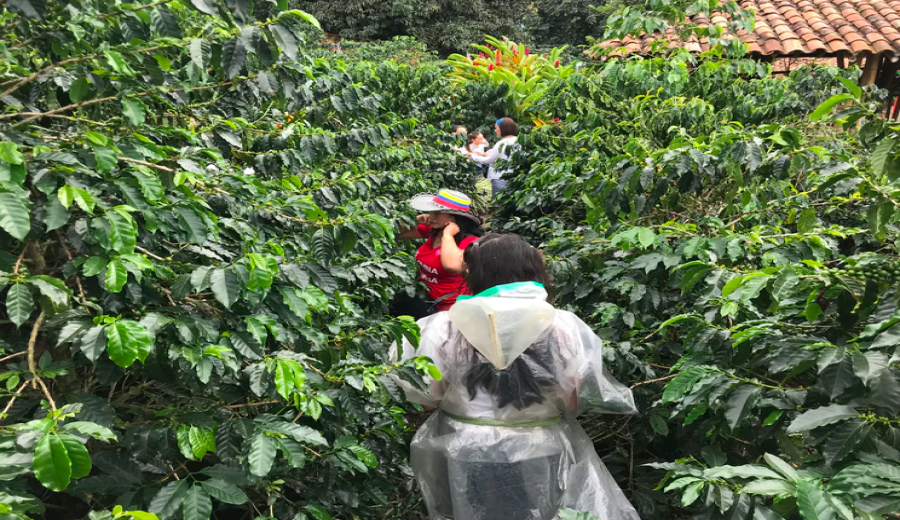
Introduction:Colombian coffee beans are renowned for their diverse flavor profiles, ranging from bright fruity notes to rich chocolatey finishes, making them highly suitable for home espresso machines to brew espresso, lattes, or Americanos. However, the high-pressure environment of espresso extraction amplifies the characteristics of the beans, so bean selection and roast level are crucial. This article delves into the key considerations for using Colombian beans in home espresso machines, explains why medium to dark roasts are recommended, and highlights three representative Colombian espresso beans—Huila SOE, premium blend, and Sidamo SOE—to help you find your perfect match based on personal preference.
The reason Colombian coffee beans are so widely loved lies in their extremely diverse flavor spectrum. Some batches exhibit bright citrus or berry notes, while others showcase a robust and steady foundation of nuts and chocolate. This versatility makes them a top choice for pour over enthusiasts as well as ideal for home espresso machines, producing classic coffees such as espresso, latte, and cappuccino.
However, many people encounter issues such as overly sharp flavors, insufficient crema, or unbalanced taste when using home espresso machines to brew Colombian beans. This is actually related to the high-pressure extraction characteristics of espresso machines—in such a pressurized environment, the acidity, sweetness, bitterness, and astringency of the beans are all amplified. Choosing lightly roasted beans or those from unsuitable regions can easily result in an unbalanced taste.
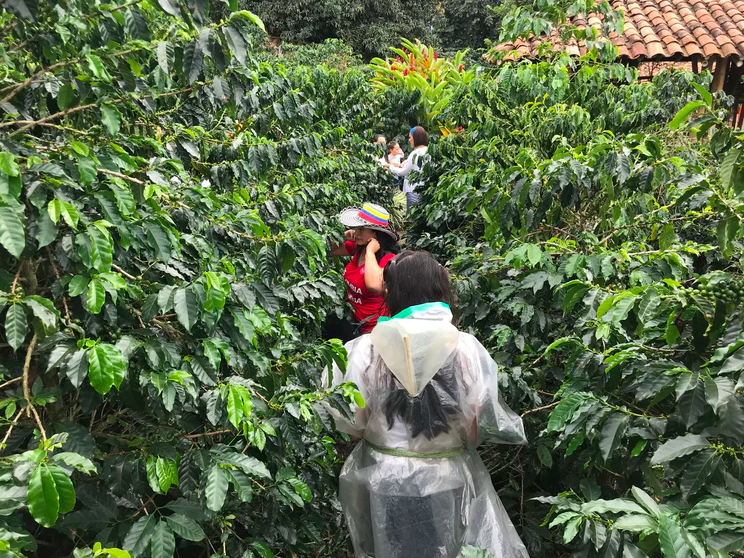
For this reason, it is recommended to opt for Colombian coffee beans with a medium to dark roast or higher. Such roast levels not only bring out a full-bodied mouthfeel and rich crema but also balance the acidity, resulting in a smoother overall performance that suits various brewing methods—whether enjoyed as straight espresso or used in milk-based drinks.
To choose the most suitable Colombian beans for home espresso machines from the many available options, brand and processing method selection are equally important. Only stable and freshly roasted beans can ensure that the flavors are fully released during extraction. Below, we recommend three highly acclaimed Colombian espresso beans on the market, each representing a different flavor profile to help you make a choice based on your taste preferences.
 Colombian Huila SOE Coffee Beans — Processed using the washed method, this bean emphasizes a clean and clear flavor profile. Roasted to a medium-dark level, it highlights aromas of cream, chocolate, caramel, and cocoa, with a rich and layered taste. It’s perfect for those who enjoy a full-bodied texture and balanced sweetness, and performs excellently whether brewed as espresso or used in lattes.
Colombian Premium Blend Coffee Beans — This is a blended coffee that combines the characteristics of two major South American coffee-producing countries, merging the nutty tones of Brazilian beans with the chocolate base of Colombian beans. It has low acidity and a smooth mouthfeel, making it especially suitable for consumers who prefer balanced flavors without excessive acidity. When used in lattes, it brings out a distinct caramel and chocolate finish, making it very fitting for daily home use.
 Colombian Sidamo SOE Coffee Beans — This single-origin SOE is known for its expressive flavors, releasing rich notes of passionfruit, grape, apricot, and citrus upon brewing. Its acidity is bright yet not overly sharp, with a sweet aftertaste that carries hints of chocolate and subtle spices, and a lingering finish reminiscent of fruit wine. If you enjoy fruity, aromatic coffee without too much intensity, this bean is recommended. It produces a refreshing iced Americano, delightful like freshly blended grape juice.
In summary, selecting suitable Colombian coffee beans for home espresso machines hinges on pairing the roast level with the flavor profile. Beans roasted to a medium or dark level typically offer better extraction stability and flavor balance. Whether you’re a beginner or an experienced coffee enthusiast, you can find your ideal match among the three recommended beans based on your personal taste.
The above content is compiled by CoffeeHunters, a coffee news website.


