







Introduction:Want to enjoy coffee flavors but worried about caffeine affecting your sleep? Decaf coffee has become the go-to choice for many. This article delves into decaf coffee beans from Colombia’s Huila region, covering the principles behind four major decaffeination processes, common misconceptions, as well as the characteristics of three major varieties—Typica, Caturra, and Castillo. It also provides professional roasting recommendations and a three-stage pour over parameter guide to help you fully grasp the key elements from green beans to a rich, flavorful cup of decaf.
Coffee is an indispensable beverage in many people’s daily lives, but excessive caffeine intake can lead to overstimulation of the nervous system and even physical discomfort. For those who want to enjoy the aroma of coffee while reducing caffeine consumption, decaf coffee is a good compromise. This article takes a decaf coffee bean from Colombia’s Huila region as an example, detailing the historical background of decaf coffee, the principles and pros and cons of different decaffeination technologies, and explaining that decaf coffee is not completely caffeine-free. Additionally, it introduces the characteristics of the three varieties used in this batch—Typica, Caturra, and Castillo—as well as the roaster’s recommended medium roast strategy and a practical three-stage pour over extraction method, taking you from green beans all the way to understanding the flavors in the cup.
Many people are accustomed to using coffee for a pick-me-up, but others seek alternatives due to caffeine’s impact on sleep or sensitivity to it. Decaf coffee is growing in popularity in the market, yet many still have questions: Does decaf coffee really contain no caffeine? How does its flavor profile compare to regular coffee? A decaf coffee bean from Colombia’s Huila region was previously introduced, and this article starts with this real-world case to analyze its journey and how appropriate roasting and extraction can bring out its optimal flavor potential.
There’s an interesting story about the origin of decaf coffee. Legend has it that the German literary giant Goethe, though fond of coffee, often suffered from insomnia after drinking it at night. His friend Runge discovered that caffeine was the culprit keeping him awake and tried to find a way to separate it. However, limited by the technology of the time, decaf coffee could not be produced on a large scale. It wasn’t until 1903 that a German coffee importer named Ludwig Roselius accidentally discovered that coffee beans soaked in seawater had significantly reduced caffeine content. He then collaborated with chemists to develop extraction technology, eventually enabling mass production of decaf coffee and ushering in the modern era of decaf.
So-called decaf coffee refers to coffee products that have undergone special processing to significantly reduce their caffeine content. According to international conventions, decaf coffee must have at least 97% of its original caffeine content removed. Currently, mainstream decaffeination methods include the use of water, organic solvents, or carbon dioxide, with most of these processes being completed before roasting and grinding. However, different decaffeination technologies can also affect the original flavor characteristics of the coffee to varying degrees.
Does decaf coffee mean it contains no caffeine at all? The answer is no. Generally speaking, Arabica coffee beans contain about 0.9% to 1.4% caffeine, averaging around 1.2%; Robusta beans contain even more, about 1.8% to 4%, averaging around 2.2%. Even decaf coffee only reduces caffeine content to below 3% of the original (U.S. FDA standard) or a maximum of 0.1% (EU standard). In other words, decaf coffee still contains trace amounts of caffeine, and it is not recommended to consume it excessively for that reason. Understanding this point is key to truly enjoying decaf coffee healthily.
When it comes to the flavor of decaf coffee, many people assume it must not taste as good as regular coffee. But in reality, whether decaf coffee is delicious depends largely on the bean variety chosen. If high-quality Arabica varieties are selected at the green bean stage, even after decaffeination, they can still exhibit a good range of flavors. For example, the Colombian Huila decaf beans introduced in this article are based on three classic varieties—Typica, Caturra, and Castillo—and through appropriate processing and roasting, they showcase unique aromas and taste profiles.
So, how are caffeine-free coffee beans made? Currently, there are four main processes:
The first is the direct solvent method, where green beans are treated with high-temperature steam to expand them and increase surface contact area, then soaked in solvents such as dichloromethane to extract the caffeine. This method has relatively minor effects on flavor, but it is necessary to ensure that solvent residues meet safety standards.
The second is the indirect solvent method, where green beans are first soaked in hot water to release caffeine and other flavor compounds, then the caffeine is extracted using solvents, and the remaining flavor compounds are reintroduced back into the beans. This method can preserve a wider range of flavors, but the process is more prone to flavor loss.
The third is the Swiss Water Process, which uses warm water to soak the beans, allowing caffeine and other components to dissolve into the water. Activated carbon is then used to filter out the caffeine, and the decaffeinated flavored water is reintroduced to the beans so they can reabsorb the aroma and oils. This method does not use chemical solvents at all, but the activated carbon may also filter out some beneficial components, leading to slight flavor reduction.
The last is the supercritical carbon dioxide extraction method, which uses carbon dioxide in a supercritical state under high pressure to selectively extract caffeine while preserving other aromatic compounds. This technology is highly efficient in decaffeination and causes minimal flavor damage, but the equipment is expensive and requires a special environment to operate.
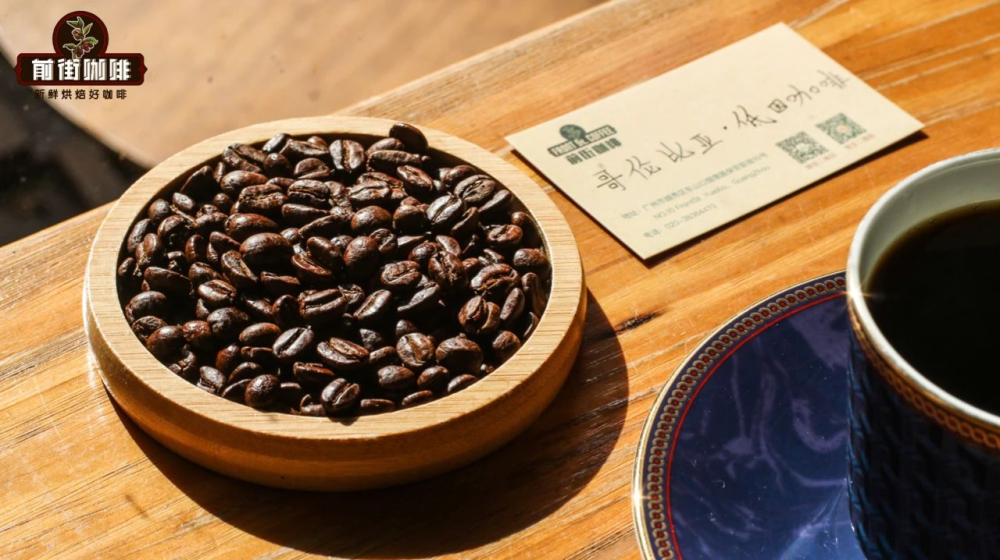
The Colombian Huila decaf coffee beans introduced in this article are grown in a high-altitude mountainous region at 1,750 meters, classified as Supremo grade, and processed using the Swiss Water Process. This batch includes three classic varieties: Typica, one of the oldest Arabica varieties, is known for its sweet aroma and balanced profile, though it has relatively low yields; Caturra is a natural mutation of Bourbon, adaptable and capable of thriving at high altitudes and in high-density cultivation; Castillo is a hybrid bred from Colombian varieties and Caturra, developed over ten generations, and has gained increasing market acclaim in recent years.
For this bean, the roaster recommends a medium roast strategy to fully bring out its sweet notes of vanilla and dark chocolate while maintaining a rich body. This level of roasting preserves the original flavor layers while achieving a good balance with the decaffeination process.
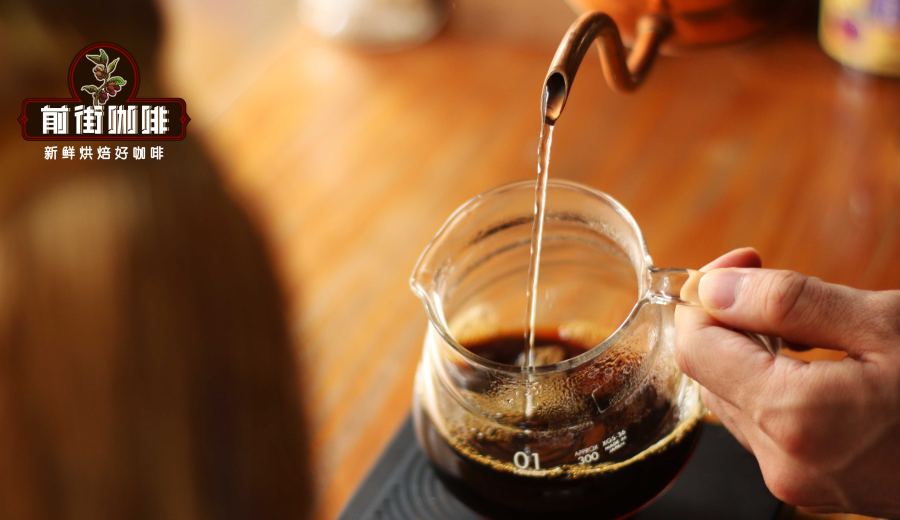
For extraction, it is recommended to use a Kono filter, with water temperature controlled at around 90°C, a coffee dose of 15 grams, a coffee-to-water ratio of 1:15, and a grind size of medium-coarse (approximately 70% passing through a Chinese standard No. 20 sieve). The actual operation can follow a three-stage method: start with 30 grams of water for a 30-second bloom, then pour in small circles until reaching 125 grams for the first pour, wait for the water level to drop, then pour up to 225 grams, and finally remove the filter just before the water level is about to run out, with a total brewing time of about 3 minutes. These parameters help highlight the caramel, nutty, and dark chocolate notes in decaf coffee while maintaining a full-bodied mouthfeel.
The above content is compiled by CoffeeHunters, a coffee news website.


