







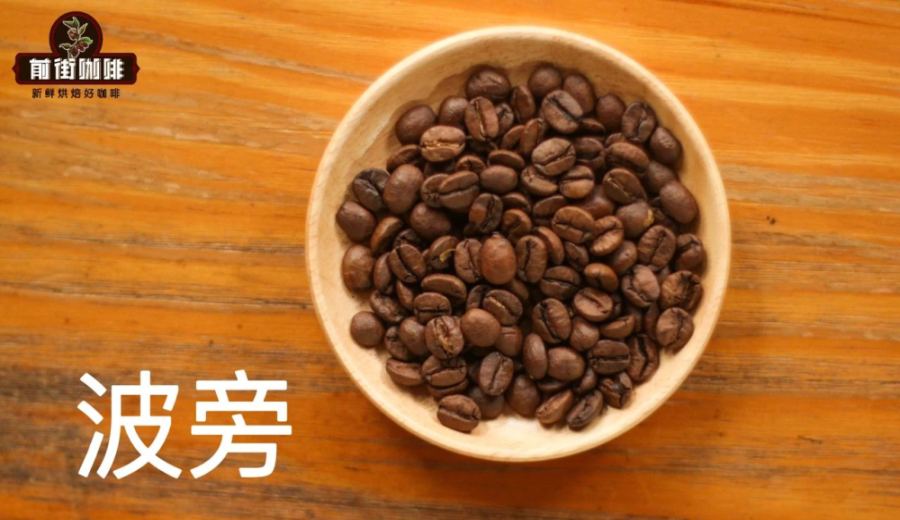
Introduction:As the world’s largest coffee producer, Brazil cultivates over 70% of its Arabica coffee from the Bourbon family of varieties, among which Red Bourbon and Yellow Bourbon are classic representatives. This article delves into the origins, flavor differences, and cultivation characteristics of these two major varieties, while also providing background on the evolution of Caturra and Catuai. It further offers professional-level pour over brewing recommendations—including filter choice, water temperature control, grind size, and detailed steps—to help coffee enthusiasts fully appreciate the rich charm of Brazil’s nutty and caramel-toned profiles.
Bourbon is a historic and classic variety within Arabica coffee, originating from a natural genetic mutation of Typica. These two major lineages form the foundation of many modern commercial coffee varieties—whether through natural variation or subsequent artificial hybridization, most can be traced back to them. In the 18th century, Bourbon was first established on the island of Bourbon in the Indian Ocean (now Réunion Island), and it wasn’t introduced to Brazil until the 1860s. It then rapidly expanded across Central and South America, becoming a dominant planting variety in the region.
To this day, Bourbon family varieties account for 70–80% of Arabica coffee cultivation in Brazil, with the most common including Red Bourbon, Yellow Bourbon, Caturra, and Catuai. These varieties not only adapt well to Brazil’s diverse microclimates but also each exhibit unique flavor profiles, making them key to understanding the characteristics of Brazilian coffee.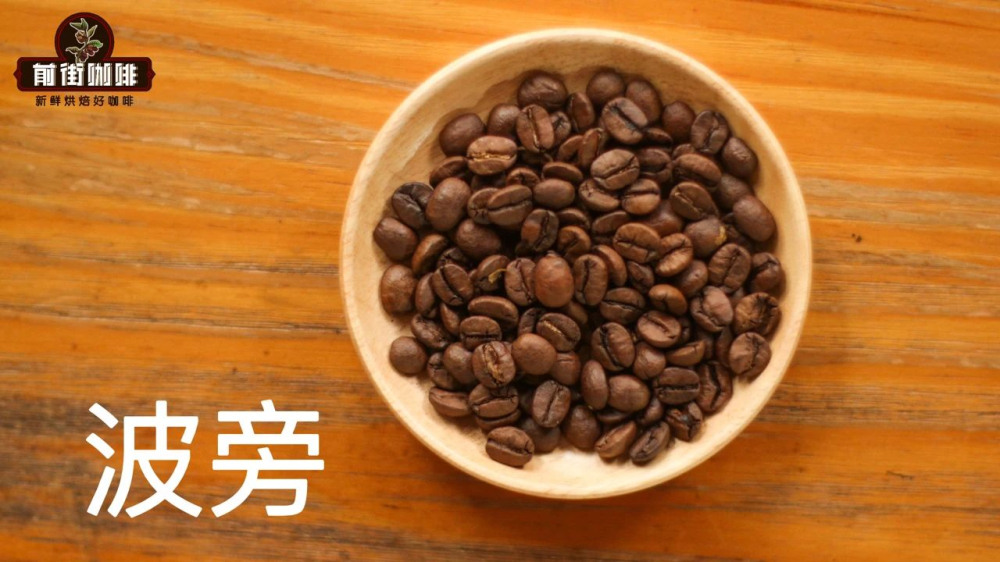
Red Bourbon is one of the most widely recognized branches of the Bourbon family. Its name derives from the color changes of the fruit during ripening: from greenish to yellow, orange, and finally a vivid red at optimal harvest time, turning purplish-black when overripe. Cupping experience shows that Red Bourbon typically has a smooth mouthfeel and pronounced sweetness, and as planting altitude increases, its flavor fineness and purity often improve further.
Yellow Bourbon is a Bourbon variant unique to the state of São Paulo in Brazil. Its defining characteristic is that the fruit does not turn red upon ripening but instead displays a warm orange-yellow hue, hence the name. Compared to Red Bourbon, Yellow Bourbon has a softer acidity, an overall brighter and crisper flavor, lighter and cleaner bitterness. Yellow Bourbon grown at high altitudes often showcases richer aromatic layers and an elegant aftertaste, making it an ideal choice for those seeking a fresh and vibrant profile.
Caturra is a natural mutation of Bourbon, characterized by shorter branch spacing. Although its fruit is slightly smaller than that of Bourbon, its yield per unit area is significantly higher. This trait has made it a popular choice for many producing regions aiming to improve efficiency. In cupping, Caturra usually presents a clean and bright taste with clear sweetness, suitable for drinkers who prefer a refreshing style. For those wishing to explore similar flavors, Caturra varieties from the Huila region of Colombia also make a great extension choice.
Catuai is a hybrid of Caturra and Mundo Novo, combining the strengths of both parents: it inherits Mundo Novo’s high-yield traits, strong disease resistance, and excellent cupping potential, as well as Caturra’s compact fruit shape, suitability for natural processing, and elegant acidity. In cupping, Catuai often exhibits soft acidity, a clean taste, and abundant fruity aromas, making it an ideal choice for coffee lovers pursuing layered fruitiness and balance.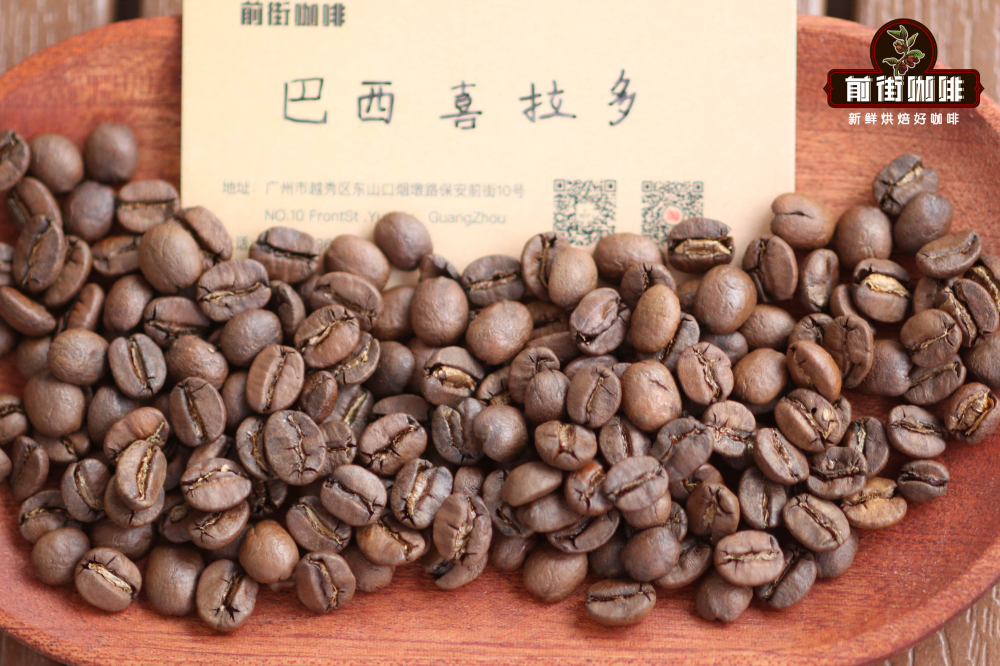
In Brazil, Red Bourbon and Yellow Bourbon are not only mainstream local varieties but also, due to their stable yields and distinctive flavors, frequent fixtures in the specialty coffee market. Currently, two representative Brazilian specialty beans recommended on the market are a semi-washed Red Bourbon from the Cerrado region and a semi-washed Yellow Bourbon from Fazenda Rainha in the state of Minas Gerais. Both are medium-dark roasted, fully showcasing Brazil’s regional characteristics of nuttiness, caramel, low acidity, and rich body.
The Red Bourbon from the Cerrado region, known for its stable performance and high cost-performance ratio, is often used as an entry-level representation of Brazilian flavor. The nuttiness and soft caramel aroma released after roasting allow first-time Brazilian coffee drinkers to quickly grasp the core flavor profile of the region. In contrast, the Yellow Bourbon from Fazenda Rainha offers a more distinctive sweet aftertaste. Beyond the nutty and caramel base, its finish delivers a warm, brown-sugar-like sweetness, suiting consumers who prefer a bold profile with pronounced sweetness.
To fully showcase the rich characteristics of Brazilian coffee, it is recommended to roast these two beans to a medium-dark level and ensure they are used within five days after roasting to enjoy optimal freshness and flavor expression. The structure of medium-dark roasted beans is relatively loose, facilitating the release of more flavor compounds during extraction, hence pour over brewing is recommended.
For pour over, it is suggested to use a Kono filter. Its design enables an immersion-like extraction effect through the tight fit between the filter paper and the filter cup, enhancing the overall richness of the coffee. Suggested parameters are as follows: water temperature around 88°C, brew ratio 1:15, coffee dose 15 grams, grind size comparable to white sugar granules (approximately 70% passing through a standard #20 sieve).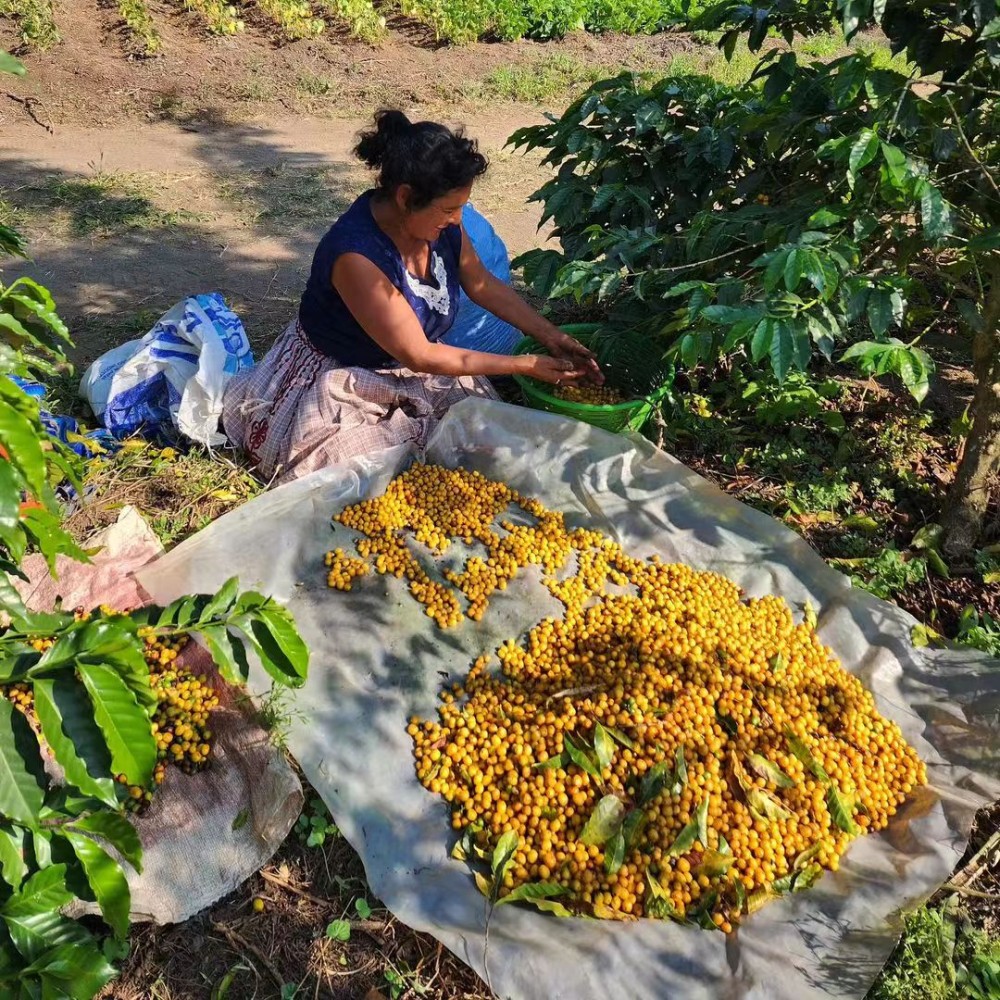
Extraction steps recommendation: First, pour 30 grams of hot water for a 30-second bloom to initiate aroma release from the coffee grounds; then pour hot water up to about 125 grams, wait until the water level drops halfway, then continue pouring to a total of 225 grams, and finally let the coffee liquid fully drip through. The overall extraction time should be controlled around 2 minutes and 10 seconds to achieve a balanced and layered taste profile.
The above content is compiled by CoffeeHunters, a coffee news website.


