







Introduction:Mandheling from Lintong is one of the most representative coffees in Sumatra, renowned for its low acidity, full-bodied mouthfeel, and unique herbal aroma. This article will delve into the regional characteristics of this classic bean, the wet-hulling process, roast profiles, and provide professional-grade pour over recommendations—including water temperature, grind size, coffee-to-water ratio, and pouring techniques—so you can easily brew sweet herbal, cinnamon, and creamy chocolate-like flavors at home.
Mandheling from the Lintong region of Sumatra, Indonesia, has long been a classic among many coffee enthusiasts. This coffee is known for its low acidity, rich and bold flavor, and distinct herbal and spicy notes, often serving as many people’s first step into the world of dark roasted coffee. Whether you’re a beginner or an experienced coffee enthusiast, understanding its regional background, processing method, and pour over details can help you more accurately capture its captivating flavor profile.
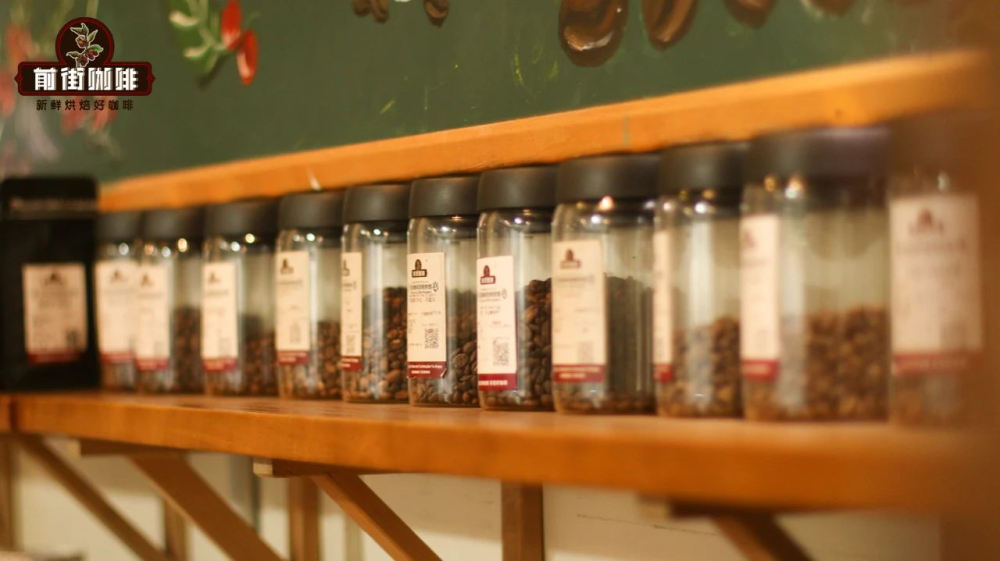
Lintong is located in north-central Sumatra, near the famous Lake Toba. The area features volcanic terrain with fertile, mineral-rich soil, and a tropical rainforest climate that provides ample rainfall—ideal conditions for coffee tree growth. Coffee in the Lintong region is typically grown at elevations between 1100 and 1600 meters. Although the overall altitude is not as high as some Central and South American regions, its unique microclimate and the wet-hulling process create a distinctive flavor expression.
This Lintong Mandheling mostly uses Typica and Catuaí varieties, which are traditional Arabica types, but in Indonesia’s unique environment, mixed planting with other varieties is also common. It’s worth mentioning that Lintong Mandheling generally employs the common wet-hulling process (Giling Basah), a uniquely Indonesian coffee processing method that greatly influences flavor development.
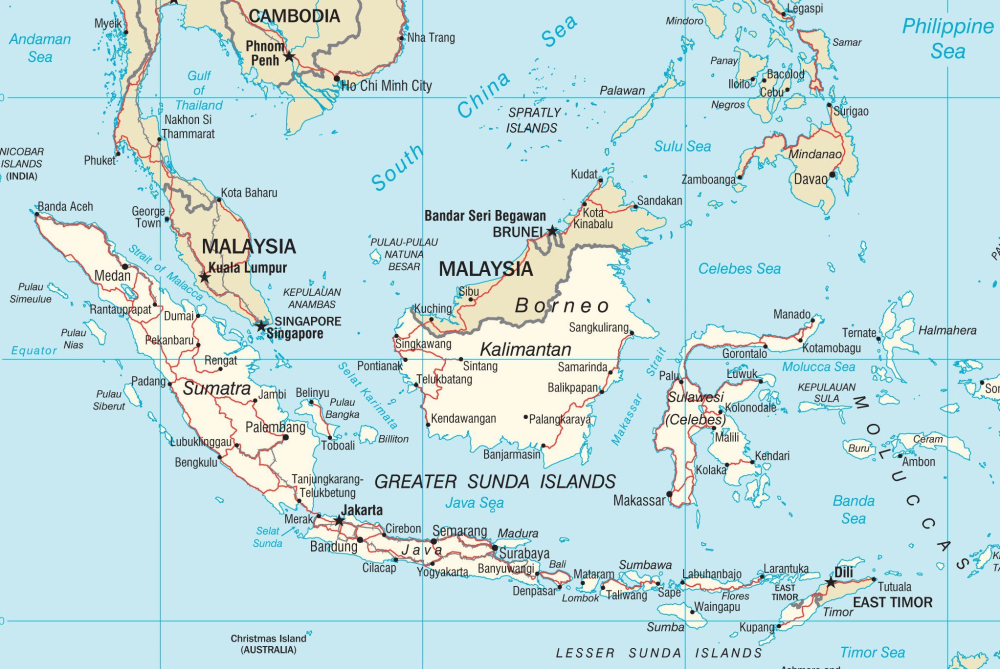
The so-called wet-hulling process involves removing the outer skin and mucilage of the coffee fruit, and then beginning to scrape off the outer layer while the beans still retain some moisture and are wrapped in parchment. This method accelerates drying but can also damage the beans, resulting in what is known as "elephant foot marks"—cracks or breaks on the edges of the beans caused by compression. This phenomenon is not a defect but rather a common characteristic of this process. Additionally, due to the greater pressure and friction during processing, the final flavor tends to be bold, low in acidity, and marked by distinct notes of earth, herbs, and spices.
The roast profile of this Lintong Mandheling is medium-dark, aiming to enhance its inherent herbal, spicy, and nutty base flavors while bringing out sweetness and a full body. After moderate roasting, this coffee often exhibits aromas of sweet herbs, cinnamon, creamy walnuts, and dark chocolate. The acidity is soft and restrained, with a finish that carries a rich sweetness and woody undertones.
If you want to explore the potential of Lintong Mandheling through pour over at home, here are professional extraction suggestions: it is recommended to use a Kono filter. This design has ribs that only reach the middle section of the filter, reducing air circulation between the paper and the filter, thus extending the contact time of the coffee grounds with water. This helps achieve a more even extraction and enhances overall body and stability, especially suited for medium-dark roasted beans.
Specific parameters are as follows: a coffee dose of 15 grams is recommended, with a coffee-to-water ratio controlled at 1:15. The grind size should be roughly the size of coarse sugar, with a reference of about 70% passing through a #20 sieve—equivalent to a medium-coarse grind—which balances extraction efficiency and avoids over-extraction. The water temperature is recommended to be set at 87-88°C , which helps to highlight bold flavors while avoiding excessively high temperatures that may bring out unwanted impurities or unpleasant tastes.
During pour over, start by pouring 30 grams of water for a 30-second bloom to activate the coffee grounds. Then continue pouring with a small, circular motion. When the total water volume reaches 125 grams, perform the first pour break. Once the water level naturally drops, continue pouring until you reach 225 grams, then stop. Remove the filter when the water level in the dripper is nearly drained. The total extraction time is recommended to be controlled at 2 minutes exactlyto achieve the best balance and flavor expression.
The final brewed Lintong Mandheling presents clear layers of flavor: the initial sip reveals distinct sweet herbal and cinnamon-like spice notes, the mid-palate brings out gentle citrus peel aromas, and the finish continues with the richness and sweetness of creamy walnuts and dark chocolate. As the temperature cools, the herbal and spice notes become even more pronounced. The overall performance is stable and layered, making it a classic coffee that’s perfect for savoring slowly and revisiting repeatedly.
The above content is compiled by CoffeeHunters, a coffee news website.


