







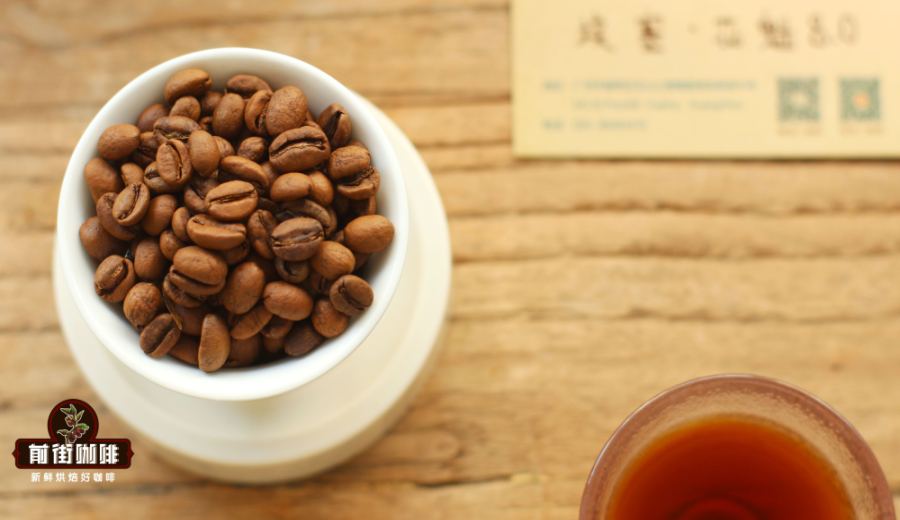
Introduction:Since winning the TOH championship in 2017, the Huakui coffee beans from Ethiopia’s Sidamo region have become the focus of the market with their rich strawberry and cream aromas. This article delves into the variety evolution of Huakui from version 1.0 to 8.0, introduces the unique terroir of the Hambella sub-region, and provides detailed Moka pot and pour over brewing parameters, including grind size, water temperature, time, and more, to help you easily recreate a bright, juicy sundried coffee.
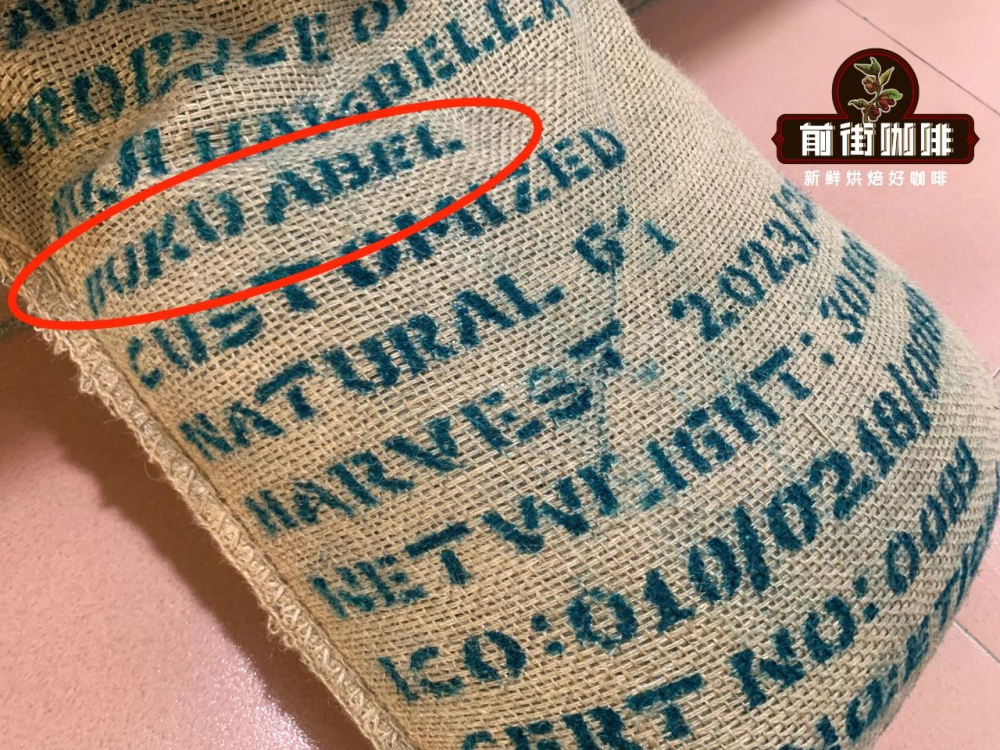
Ethiopia’s Sidamo region is an important landmark on the global specialty coffee map, renowned for its diverse microclimates and abundant native varieties. The deeper parts of this region—Guji and its sub-region Hambella—are where remarkable beans like Huakui are grown. Since winning the TOH (Taste of Harvest) competition in 2017, this sundried lot from Buku Abel washing station quickly captured the hearts of many coffee lovers with its intense strawberry and cream aromas.
[Sidamo Region: The Cradle of Diverse Flavors]
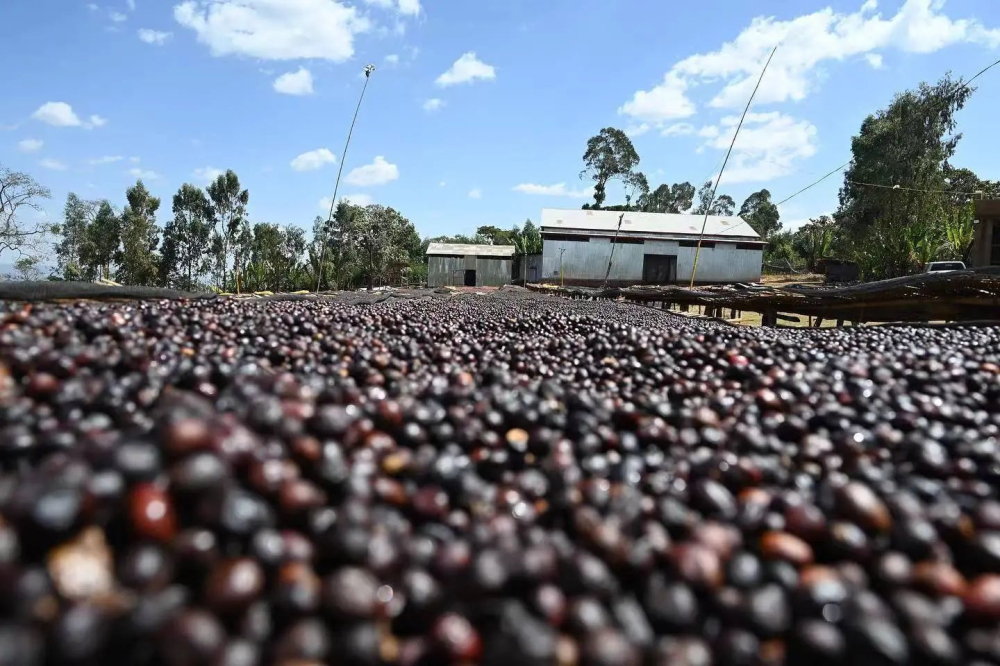
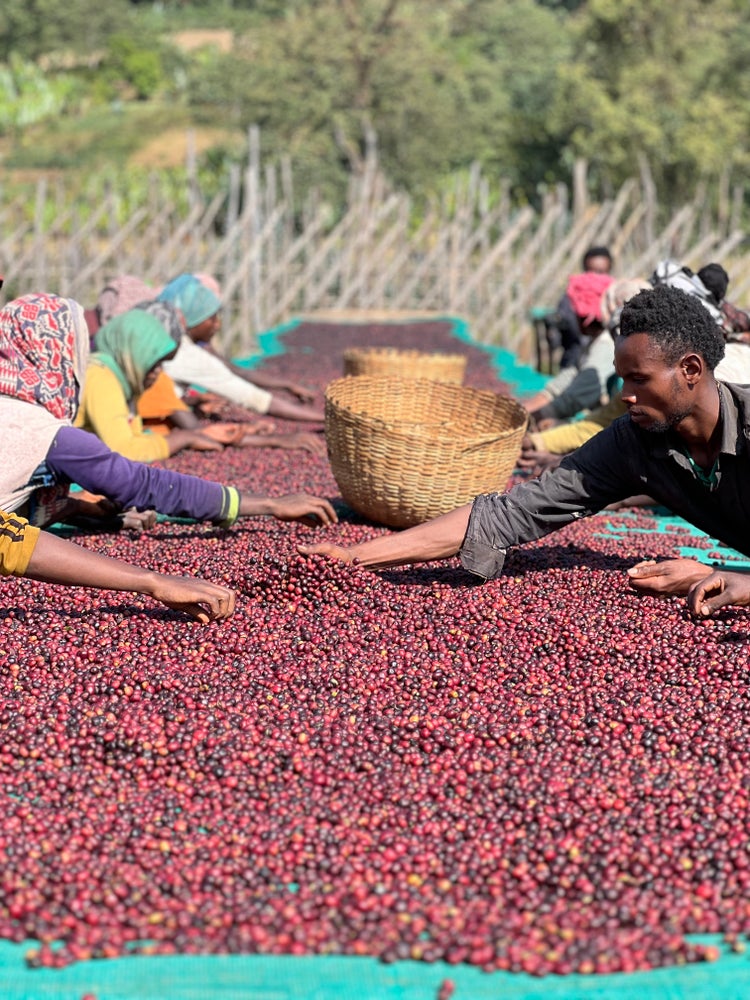
Located in southern Ethiopia, Sidamo sits at an altitude between 1400 and 2000 meters within the East African Rift Valley area. Its geographical and climatic conditions give rise to a diverse range of coffee flavors. The region mainly employs the sundried processing method, which enhances fruity aromas and a rich body, also making the coffees from different villages and washing stations distinct in character. With the market’s growing emphasis on specific sub-regions, smaller areas such as Guji and West Arsi have gradually stood out, among which Guji is the birthplace of Huakui.
[Hambella Region: High Altitude and Unique Ecology]
Hambella, part of the Guji region, is one of the highest-altitude coffee sub-regions in Ethiopia. Geographically, it is separated from Kochere in Yirgacheffe by a highland plateau of around 3200 meters to the west and neighbors other sub-regions such as Shakiso, Uraga, and Kercha, forming a unique microclimate zone. With an average altitude exceeding 1800 meters, significant day-night temperature variations, and fertile soil, this region produces coffee beans with a well-structured profile and rich layered flavors.
Currently, there are up to 20 coffee washing stations in Hambella. Among them, Buku Abel washing station won the TOH championship in 2017 with a sundried batch that stood out for its intense strawberry and cream aromas. Later introduced to the Chinese market and named “Huakui,” it symbolizes its exceptional quality, akin to the lead geisha who leads her peers.
[The Origin and Evolution of the Huakui Bean]
In 2017, the Buku Abel washing station under DW company won the TOH competition with a sundried G1-grade coffee bean lot. After being imported to China, barista Li Jianfei used it to win second place in the China Brewers Cup, which garnered widespread attention and thus gave rise to the name “Huakui.” Originally representing only that TOH-winning 2017 batch, later versions were distinguished by year, leading to the naming convention of Huakui 1.0, 2.0… up to the latest Huakui 8.0 for annual identification.
Huakui 4.0 shows significant differences in variety and screening compared to earlier versions. It is of the Dega variety, with smaller beans and less refined screening, resulting in varied sizes. However, it still retains strong floral and fruity aromas, serving as an interesting sample for understanding the evolution of the Huakui series.
[Roasting Analysis and Flavor Profile by a Roastery]
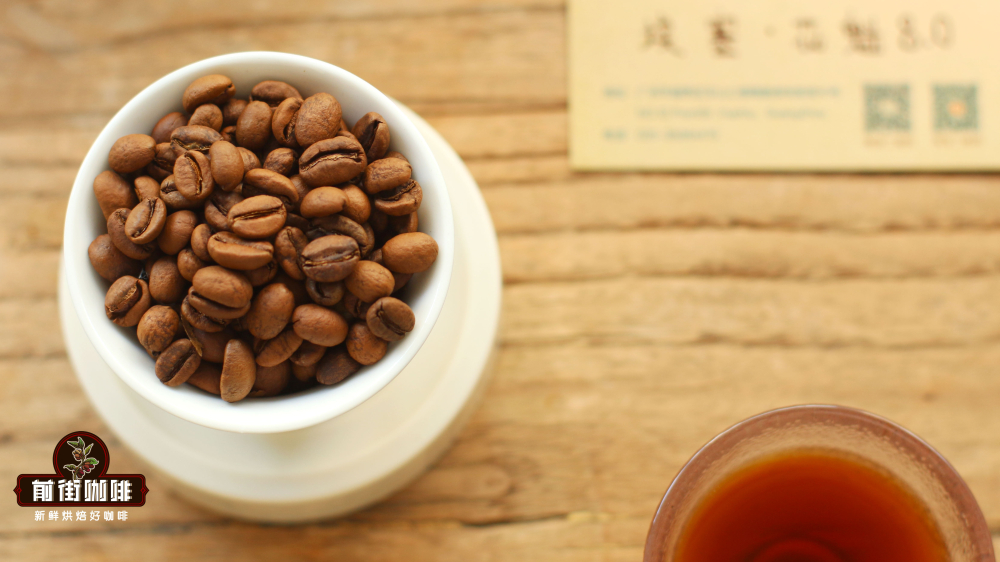
The Huakui series is typically roasted to a medium-light level to highlight its bright acidity and complex fruity-floral notes. For example, the new-season Huakui 8.0 has dry aromas of guava, jackfruit, apricot, and citrus. Once brewed with hot water, it reveals honey-like sweetness, berry notes, and multiple fruit acids, with tasting notes of dried mango, orange, and passionfruit. It suits various brewing methods such as pour over and Moka pot.
When roasting, the roastery adjusts parameters based on bean moisture content and characteristics—for instance, starting at 190°C, reaching the yellowing point (around 150–153°C) in about 6 minutes, with first crack beginning around 9 minutes and 50 seconds. They recommend maintaining a development time of 1 to 1 minute and 30 seconds after first crack, fine-tuning the air vent to control heat and preserve more aromatic compounds.
[Practical Brewing Parameters for Huakui 8.0 Using a Moka Pot]
When brewing Huakui 8.0 with a Moka pot, it’s recommended to use a grind size slightly finer than pour over but coarser than espresso, roughly equivalent to 30–40% sieve retention on a Chinese No. 20 sieve—or about a 3.5 setting on an EK-43s grinder. Too coarse leads to under-extraction, while too fine can over-extract, resulting in burnt bitterness.
For operation, evenly fill the coffee grounds into the filter basket, level gently without excessive tamping to avoid blocking the steam path. Then tightly screw the upper and lower chambers together and heat over medium-low flame. When a hissing sound is heard from the bottom, reduce the heat. Once the coffee begins to flow steadily and the upper chamber is about half full, turn off the heat and let residual heat finish the extraction.
The brewed coffee features bright berry acidity and caramel aroma, ideal for direct drinking or diluted with 80°C water at a 1:5 ratio to make Huakui Americano, offering a refreshing lemon-black tea-like acidity. When milk is added, it presents a rich cranberry-chocolate flavor.
[Conclusion: Mastering the Versatile Allure of Huakui]
From the high-altitude terroir of Hambella, to the exquisite sundried craftsmanship at Buku Abel washing station, to the evolving flavor profiles of the Huakui series each year—this star coffee bean from Ethiopia, whether brewed with a pour over or Moka pot, showcases a unique juiciness and distinctly layered aromas. Master the correct brewing parameters and bean characteristics, and you too can enjoy a professional-level coffee experience at home.
The above content is compiled by CoffeeHunters, a coffee news website.


