







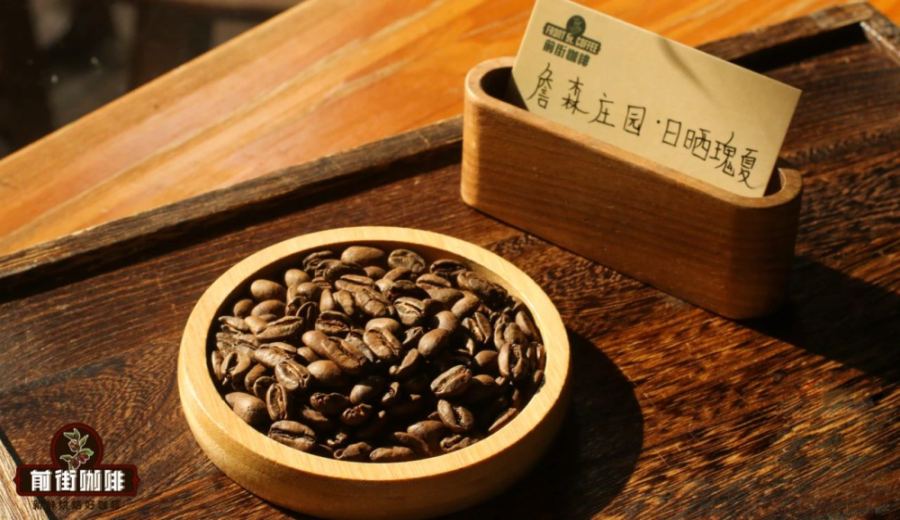
Introduction:The Geisha coffee from Panama’s Janson Estate is renowned for its distinctive layered fruit aromas and bright, refreshing acidity, often hailed as the “Champagne of the coffee world.” This article not only introduces the flavor profile of this popular coffee but also provides a detailed guide on how to correctly extract its essence using a siphon (vacuum) pot and pour over methods. From equipment preparation and water temperature control to extraction timing, practical steps and professional parameters are shared to help you enjoy professional-grade Geisha flavors at home.
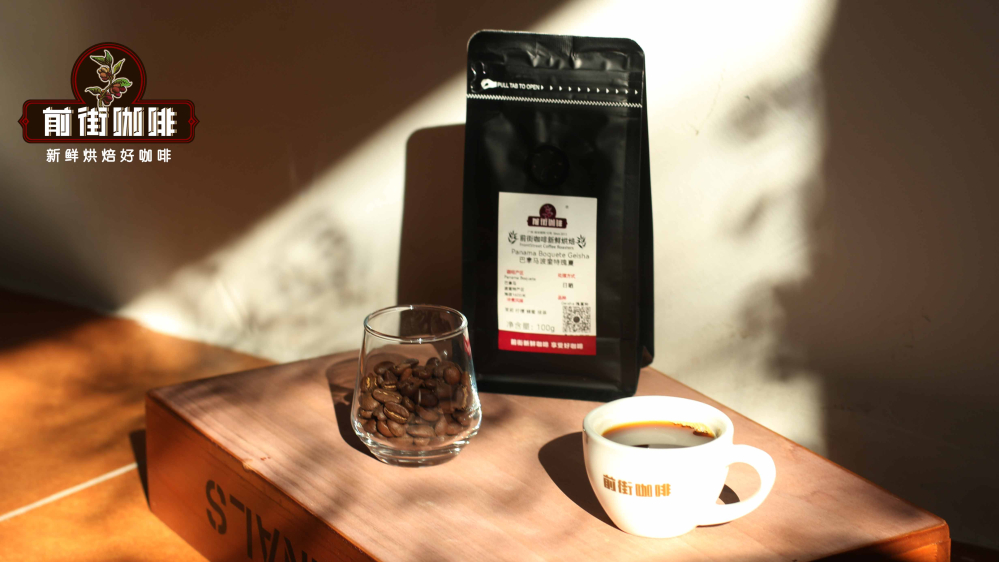
Geisha coffee is celebrated as the Champagne of the coffee world, not only for its delicate and complex flavors but also for achieving an almost perfect balance of taste. The Geisha produced by Panama’s Janson Estate stands out as one of the finest examples of this variety. With a clean and crisp mouthfeel that is nearly devoid of bitterness, it highlights rich and diverse fruit aromas with a refreshing mild acidity, making it irresistible sip after sip. Managed by Karl Janson, this estate has been nominated for the “Best of Panama” award by the Panama Specialty Coffee Association (SCAP), and over half of its cultivated area is planted with Geisha, making its production the second highest in Panama. During harvest, only fully ripe, deep-red coffee cherries are selected.
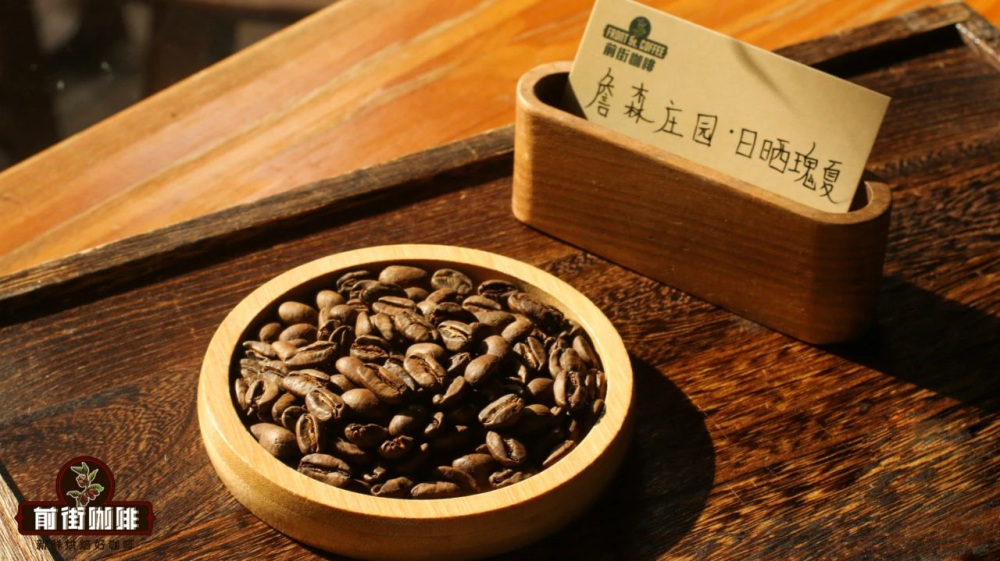
The widespread popularity of Geisha coffee stems not only from Panama’s exceptional growing environment but also from the inherent characteristics of the variety itself. This coffee often exudes elegant jasmine and rice-like aromas, accompanied by rich fruit notes such as citrus, berries, and apricots. With a balanced acidity and sweetness, and a juice-like mouthfeel, it presents a striking contrast to the bitter and intense profile typically associated with coffee. For beginners new to Geisha, it is recommended to start with Geisha from this region. The volcanic soil and high-altitude environment, combined with the washed processing method, impart sweet jasmine floral notes, melon, citrus, honey, and sweet orange—delightful flavors that define the region.
Janson Estate is not only dedicated to cultivating top-tier coffee but also committed to sustainability and ecological conservation. This organic eco-farm not only grows coffee trees but also raises livestock such as cattle and horses, using organically processed coffee cherry waste as fertilizer. In addition, the farm actively practices soil and water conservation, recycles mountain spring water, and has implemented reforestation initiatives year after year, demonstrating a strong respect for and responsibility toward the environment. Such rigorous cultivation and post-harvest management result in the unparalleled flavor profile of Janson Geisha.
If you wish to brew Janson Geisha to perfection using a siphon pot, follow the steps below. Precise control is required from equipment setup to heat management:
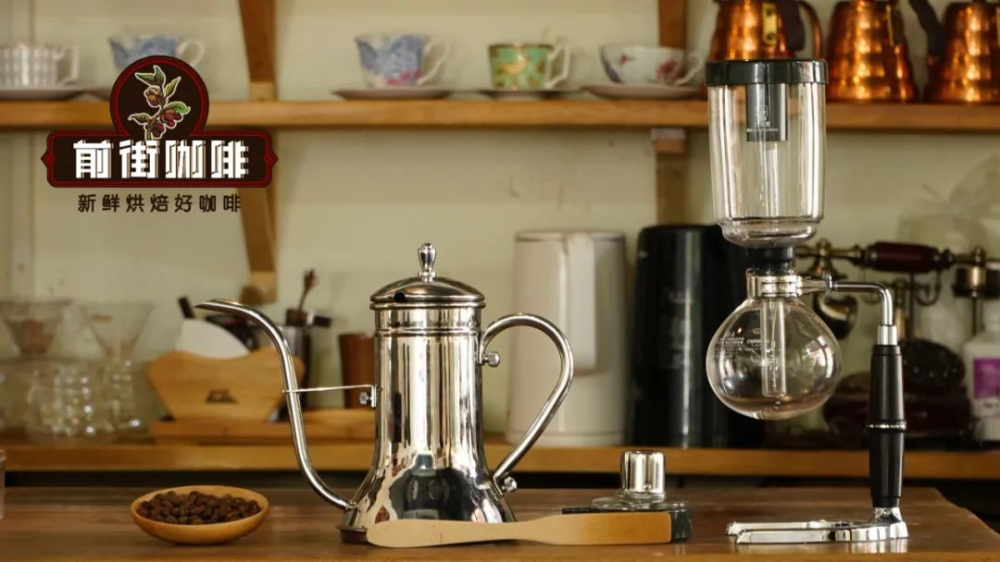
The necessary tools include:: Siphon pot (upper and lower chambers), an appropriate amount of coffee beans (about 18–20 grams), an alcohol burner (or other heat source), hot water (approximately 220 ml), and a dry cloth.
Step 1:First, place the alcohol burner and lower chamber securely, and pre-install the filter cloth hook on the upper chamber—after placing the filter cloth device into the upper chamber, gently pull the hook out from below the tube to ensure it is firmly hooked at the end of the tube.
Step 2:Pour approximately220 ml of hot waterinto the lower chamber. It is recommended to preheat the water to90~92°C[temperature placeholder] to achieve optimal extraction results.
Step 3:Carefully dry the exterior of the lower chamber with a dry cloth. This step is crucial to prevent glass breakage caused by condensation during heating. Once dried, you can ignite the heat source.
Step 4:Tilt the upper chamber and insert it into the lower chamber, ensuring thatthe safety bead touches the bottom of the lower chamberto maintain a stable structure.
Step 5:When the water in the lower chamber begins to boil and water droplets start rising, straighten the upper chamber and press it down firmly. At this point, the water in the lower chamber will be rapidly drawn up into the upper chamber.
Step 6:Once the water has completely risen into the upper chamber,immediately add the coffee grounds and start the timer. It is recommended to first use your fingers or a spoon to gently press the coffee grounds into the water by tapping, initiating the first stage of extraction.
Step 7:At25 seconds, use the recommended stirring technique—gently swirl in a circular motion to clearly separate the coffee liquid into three layers: foam layer, coffee liquid layer, and coffee grounds layer. This helps flavors to be released more distinctly.
Step 8:At50 seconds, stir again in a clockwise direction, then turn off the heat atexactly 60 seconds. Immediately after turning off the heat, wipe the outer wall of the lower chamber with a dry cloth to help accelerate the return of the coffee liquid. Wait a few seconds and observe as the coffee liquid flows steadily back into the lower chamber, completing the extraction.
Compared to the clean and bright profile of pour over coffee, Geisha brewed with a siphon pot usually has a richer and fuller body, while more fully showcasing its complex fruit aromas and sweetness. If you prefer a more refined and delicate flavor expression, you may also opt for the pour over method. It is recommended to use aV60 dripper, withwater at 90–93°C, acoffee-to-water ratio of 1:15 to 1:16, and employ athree-stage pouring technique, which can effectively highlight the delicate aromas and balanced acidity and sweetness of Geisha.
No matter which brewing method you choose, mastering the correct parameters and details will allow you to easily recreate the unique charm of Janson Estate Geisha at home, and enjoy a delicate and captivating coffee experience reminiscent of champagne.
The above content is compiled by CoffeeHunters, a coffee news website.


