








Introduction:Want to dive deep into the differences between Jamaica Blue Mountain and Panama Geisha, two of the world’s top-tier coffees? This article will guide you through their unique charms—from variety background, growing environment, processing methods, grading standards, to recommended pour over parameters—offering practical brewing tips to help you find your perfect cup.
In the world of specialty coffee, if there are two most iconic stars, they are none other than Jamaica Blue Mountain and Panama Geisha. Blue Mountain is widely praised for its balanced and mellow flavor, while Geisha wins the hearts of many coffee lovers with its rich and diverse floral and fruity aromas. This article will take an in-depth look at these two coffees from multiple perspectives, including their varietal origins, natural conditions of the growing regions, grading and evaluation systems, processing methods, and even recommended pour over settings, giving you a comprehensive understanding of their characteristics and appeal.
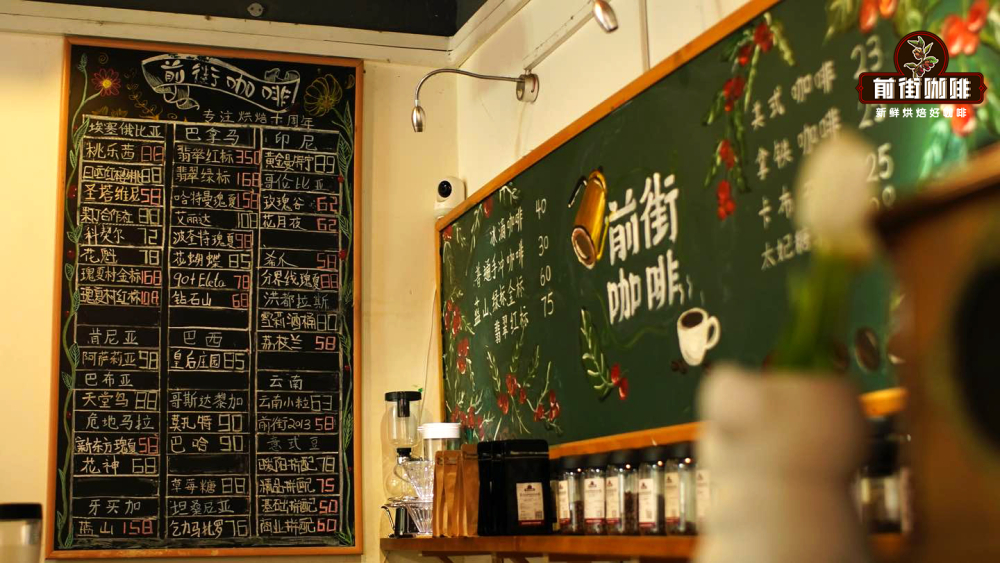
There was a time when Blue Mountain coffee was almost synonymous with the world’s finest coffee. However, with the evolution of specialty coffee culture, Geisha has now become the go-to choice for many seeking the ultimate in flavor. So, which is better—Blue Mountain or Geisha? The answer varies from person to person. Some drinkers prefer the sweet, steady, and well-balanced acidity and bitterness of Blue Mountain, while others are drawn to the layered, vibrant floral and fruity notes of Geisha. No matter which one you choose, the key is finding the coffee that best suits your palate.
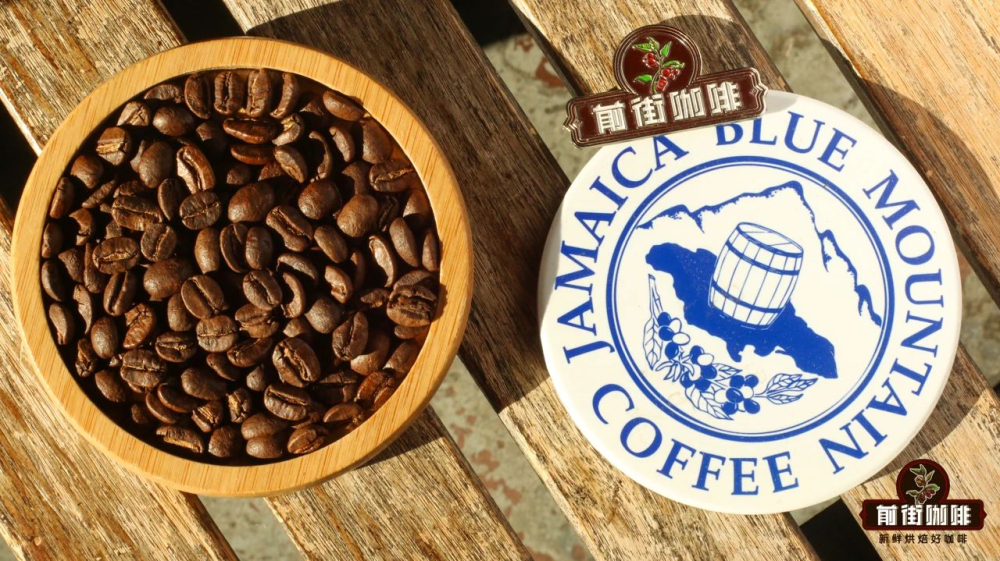
First, let’s focus on Jamaica Blue Mountain. This bean, often hailed as the “luxury item of the coffee world,” is known for its rich black chocolate and roasted hazelnut aromas. A high-quality cup of Blue Mountain can achieve an excellent balance of acidity, sweetness, bitterness, aroma, and body. Achieving such a high standard is not only due to its exceptional growing environment but also closely tied to Jamaica’s strict quality control and grading system. Authentic Blue Mountain coffee is grown only in specific areas of the Blue Mountains of Jamaica at elevations between approximately 910 and 1,700 meters, and the variety must be Typica. Typica is extremely picky about its growing environment, requiring high altitudes to reach its potential, yet it is also vulnerable to disease, low-yielding, and difficult to harvest due to the rugged terrain. As a result, less than 15% of the world’s coffee beans can be labeled as “Blue Mountain” each year, with a total output of only about 900 tons.
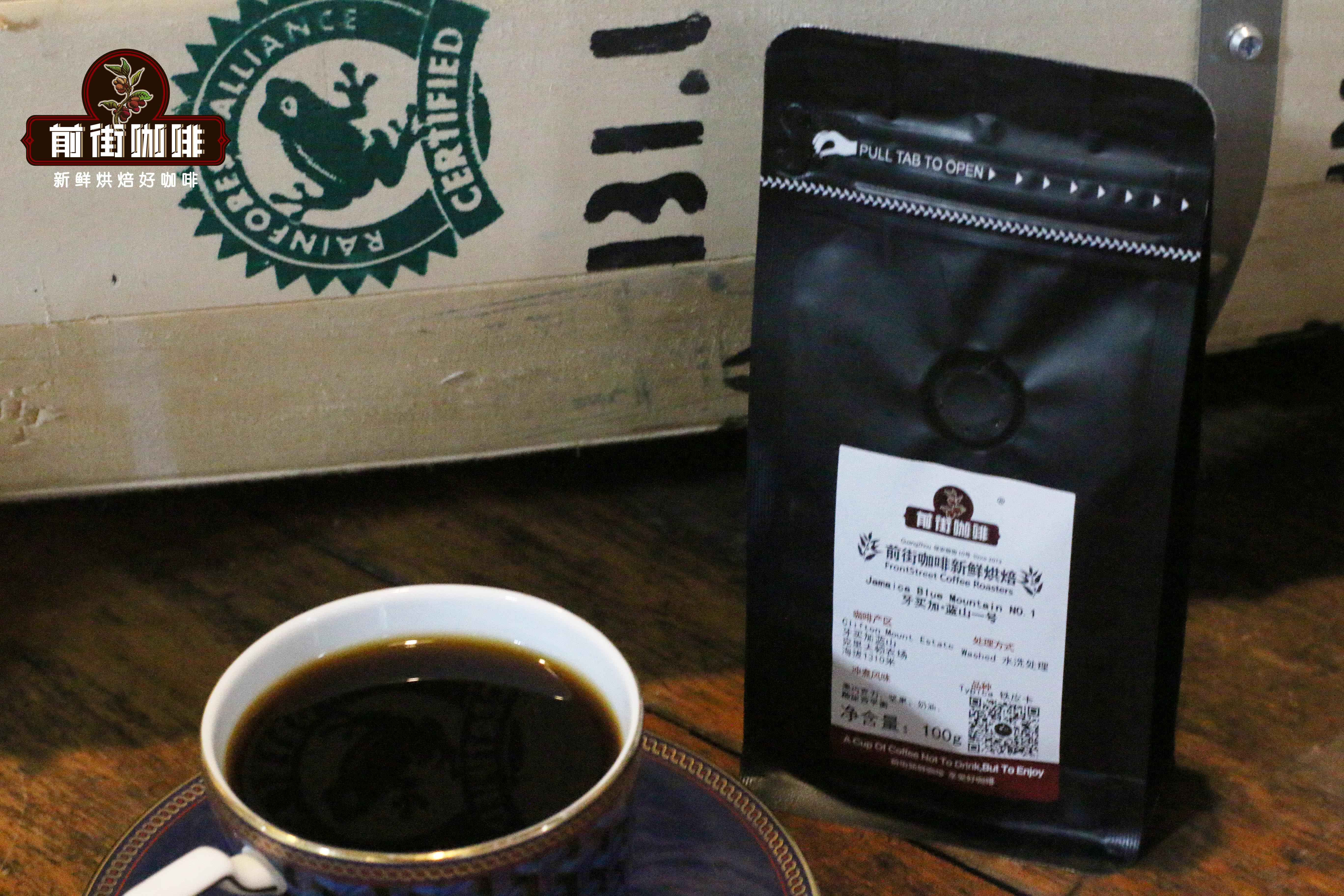
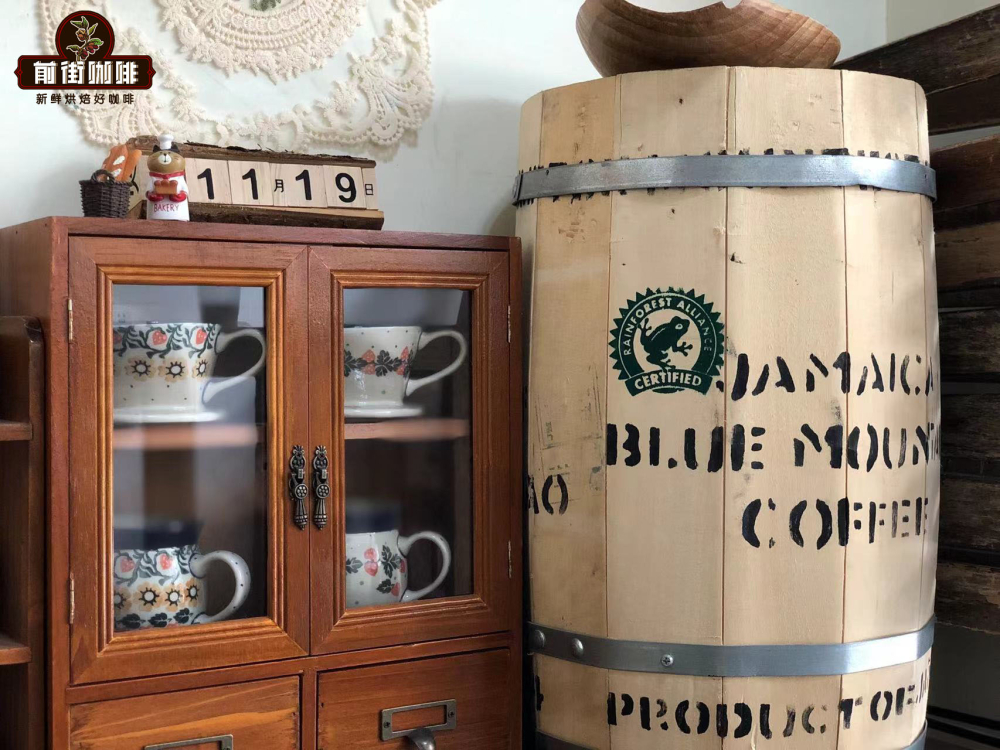
The claim that “Blue Mountain coffee is monopolized by Japan” does have some background. As early as 1981, a Japanese coffee company (the predecessor of UCC Ueshima Coffee) invested in planting Blue Mountain coffee in Jamaica and signed an agreement with the local government to export 90% of the Blue Mountain quota to Japan. Coupled with active marketing in that market, Blue Mountain has long maintained an image of high price and scarcity. Today, although Blue Mountain is more accessible than in the past, quality and origin still need to be carefully scrutinized. For example, at a well-known coffee shop, a cup of Blue Mountain No. 1 pour over coffee costs around 60 yuan and comes from the Clifton Estate in Jamaica, using washed processing. Each batch comes with official Jamaican certificates of origin and quality, and even the oak barrels used for shipping are preserved and displayed intact.
Now, let’s turn to Geisha coffee. This variety, which rose to prominence in the specialty coffee era, quickly captured the hearts of coffee professionals and consumers worldwide with its unique citrusy, honey-like, and tea-like qualities. Geisha (originally from the Gesha region of Ethiopia) didn’t become a symbol of top-tier coffee until it was rediscovered and flourished in Panama. Compared to typical Arabica varieties, Geisha is not only rare in production but also extremely demanding in its growing requirements. It needs high altitudes, nutrient-rich soil, and relies on cloud cover or shade to avoid intense sunlight. Geisha has thinner leaves and a shallow root system, resulting in slow absorption of water and nutrients, yielding only half the output of ordinary Arabica plants per tree. Additionally, its long maturation period makes cultivation more challenging, which is one of the main reasons for its high price.
Although Geisha has been introduced to various growing regions around the world, Panamanian Boquete is generally regarded as producing Geisha that best showcases its true flavors. The altitude, microclimate, and meticulous farming practices here allow Geisha to exhibit delicate floral notes, citrus tones, and multi-layered acidity. A well-known coffee shop offers Boquete Geisha coffee, also processed via washed method to preserve its fresh and clean characteristics. Washed processing not only helps stabilize quality but also highlights the clean and bright acidity unique to Geisha. After roasting, this Geisha emits elegant white floral aromas, accompanied by the fresh acidity of citrus and lemon, with a lingering finish of green tea and honey sweetness.
So, how can you brew to fully bring out the unique flavors of Blue Mountain and Geisha? The key lies in controlling the details. Whether it’s Blue Mountain or Geisha, it’s recommended to use freshly roasted beans, ideally within 5 days of roasting, to achieve the best flavor expression. Practical experience from a well-known coffee shop indicates that variables like water temperature, grind size, and pouring technique during pour over directly affect extraction results.
For Geisha coffee, it’s recommended to use a V60 dripper, with water temperature controlled at 91–92°C, around 15 grams of coffee, a 1:15 coffee-to-water ratio, and a grind size adjusted to EK43s scale 10 (approximately 80% passing through a 20-mesh sieve). This setup helps fully release its citrus and floral characteristics while maintaining a refreshing mouthfeel.
As for Blue Mountain No. 1, it’s recommended to use a KONO dripper, with slightly lower water temperature at around 88°C, also using 15 grams of coffee and a 1:15 coffee-to-water ratio, but with a slightly coarser grind, around EK43s scale 10.5 (approximately 75% passing through a 20-mesh sieve). Specific pour over steps suggested: first pour 30 grams of water for a 30-second bloom; second pour to 125 grams, maintaining a steady circular pour; once the water level drops to about half, continue pouring to 225 grams, with total extraction time of about 2 minutes. This parameter setup helps bring out the bold black chocolate profile of Blue Mountain, along with the sweet aftertaste of almonds and hazelnuts.
In summary, the flavor profile of Boquete Geisha features bright citrus acidity, creamy smooth mouthfeel, and a honey and green tea sweetness in the finish; whereas Jamaica Blue Mountain No. 1 showcases rich black chocolate aroma, a full-bodied texture, and enduring caramel and nutty notes. No matter which style you prefer, as long as you understand the characteristics of the bean variety and master the correct brewing parameters, you can fully enjoy the amazing experience these two world-class coffees have to offer.
The above content is compiled by CoffeeHunters, a coffee news website.


