







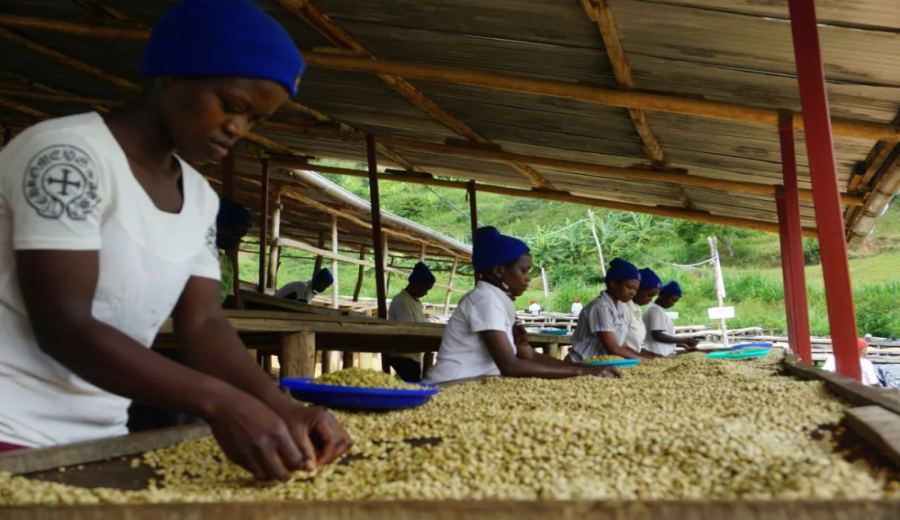
Introduction:As the birthplace of coffee, Ethiopia boasts a wealth of heirloom varieties and unique processing methods, resulting in its coffee's complex and diverse flavor profiles. This article delves into Ethiopia’s coffee grading system—from the evaluation criteria for Grade G1 to G9, the differences between washed and natural processing, to how the Red Cherry Project enhances coffee quality—and through practical cupping comparisons between the Yirgacheffe and Sidamo regions, it provides key insights for selecting and brewing Ethiopian beans.
Ethiopia is not only the origin of coffee but also a holy grail for coffee enthusiasts worldwide. Home to tens of thousands of native varieties, the country produces distinctive citrus, floral, and fruity acidity flavors that leave a lasting impression. This article will take you deep into Ethiopia’s coffee bean grading system—from the rigorous evaluation standards of Grade G1 to G9, to the flavor differences between washed and natural processing—and analyze how the Red Cherry Project improves coffee quality through selective harvesting and processing. Additionally, we’ll compare the classic flavor profiles of the Yirgacheffe and Sidamo regions through practical cuppings to help you find the Ethiopian beans that best suit your taste.
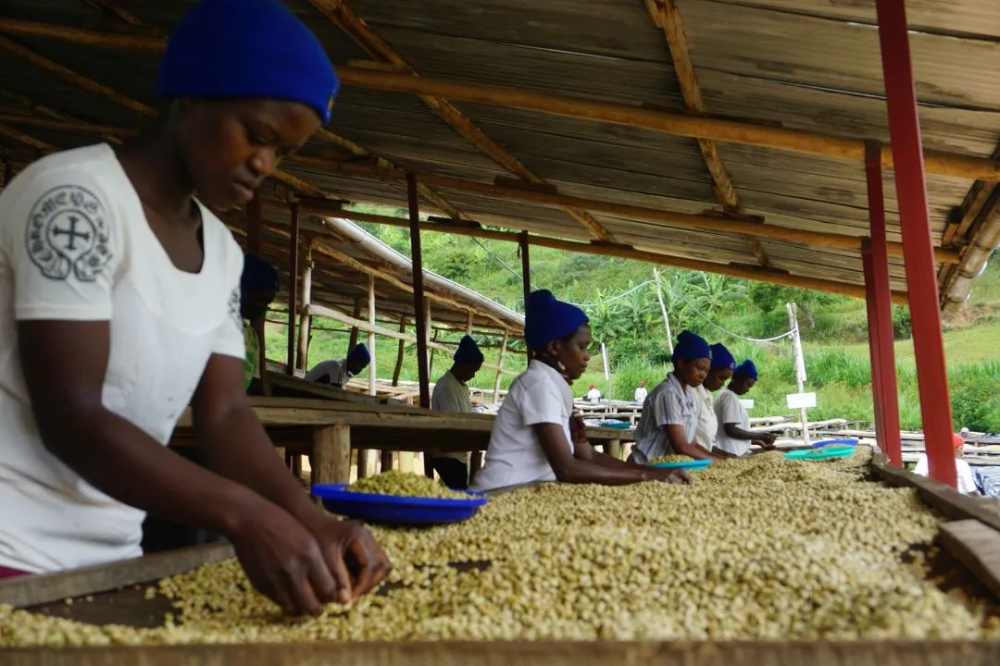
The diversity of coffee varieties in Ethiopia is astonishing. It’s estimated that the region is home to approximately 10,000 to 15,000 native varieties, many of which are wild or semi-wild and have not been artificially cultivated—resulting in vast differences in appearance and flavor. Due to technological and economic limitations, many varieties remain unidentified, and the government has chosen not to publicly disclose detailed variety information to protect wild coffee resources. As such, these varieties are collectively referred to as “Ethiopian native varieties.” Common classifications include JARC varieties (developed by the Jimma Agricultural Research Center) and regional varieties (wild types naturally grown in different areas). Interestingly, even two neighboring mountains or different farmers within the same village may grow completely different varieties, and this diversity is a major reason behind the rich flavor of Ethiopian coffee.
Visually, Ethiopian coffee beans are typically smaller and more inconsistent in size compared to beans from other regions—especially natural-processed beans, where uneven coloration is common. For instance, the renowned Harrar natural beans (Grade 3) may also exhibit color variations. However, this does not affect their flavor performance—Ethiopian coffee is known for its bright citrus, lemony aromas, and vibrant acidity. Whether washed or natural, each displays unique regional characteristics. Industry experts have found through cupping that some Sidamo beans even exhibit delicate layers of jasmine, berries, and honey, which is precisely the charm of Ethiopian coffee.

Ethiopia’s coffee grading system differs significantly from other regions. Rather than strictly grading beans by size, the system comprehensively evaluates moisture content (required to be below 11.5%), defect count, and cupping quality. The grading process first distinguishes between washed and non-washed (natural) processing methods, then classifies beans into nine grades (G1 to G9) based on physical characteristics (such as defect ratio, color, and aroma) and cupping performance (cleanliness, acidity, body, and flavor). Physical characteristics account for 40% of the weight (for washed beans, broken down into 20% defect count, 10% appearance/size, 5% color, and 5% aroma; for non-washed beans, 30% defect count and 10% aroma are the main factors), while cupping quality accounts for 60% (including 15% cleanliness, 15% acidity, 15% body, and 15% flavor).
Grades G1 and G2 are the highest, with total scores of 91–100 and 81–90 respectively, while G3 scores 71–80. Notably, G1 to G3 beans are further cupped according to SCAA standards—those scoring over 85 in flavor are rated Q1, 80–85 as Q2, and below 80 are downgraded to G3. This rigorous scoring system ensures consistent quality among high-grade beans and serves as an important reference for selection. For example, Yirgacheffe G1 often exhibits clearer citrus acidity and floral notes than G2, while natural-processed beans tend to have richer, sweeter flavors due to differences in processing.
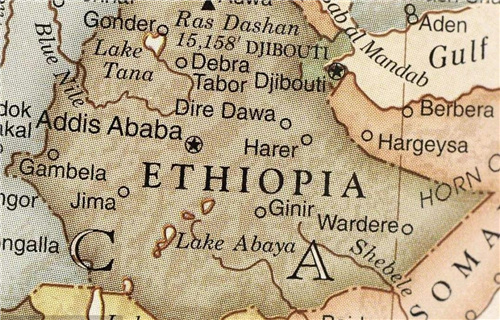
Processing methods greatly influence the flavor of Ethiopian coffee. Washed processing, which removes the pulp and ferments to remove mucilage, highlights the bean’s bright acidity and clean mouthfeel, often yielding citrus, floral, and tea-like notes. Natural processing retains the pulp during fermentation, giving the coffee richer fruitiness, berry tones, and sweetness. Industry tests have shown that washed beans from the Yirgacheffe region (such as Guji Dingding) produce a refreshing profile of citrus, berries, and honey when brewed, ideal for those who prefer a clean taste. Meanwhile, natural beans (like Red Cherry) from the same region showcase more intense berry aromas and oolong tea-like aftertastes, with pronounced sweetness. However, natural beans are more susceptible to quality fluctuations due to reliance on weather and processing techniques, so it’s advisable to choose reputable estates or program products (like the Red Cherry Project).
The Red Cherry Project is a quality improvement initiative jointly launched by Dutch green coffee importers and Ethiopian cooperatives. By offering higher prices for premium beans, the project encourages farmers to carefully select ripe cherries and use fully manual harvesting while optimizing processing workflows. Coffee beans involved in this program (such as natural Red Cherry beans) typically demonstrate more consistent quality and flavor, making them an excellent choice for finding high-quality natural-processed beans. Additionally, the project indirectly increases farmers’ income and promotes sustainable agriculture.
When brewing Ethiopian coffee, it’s recommended to adjust parameters based on the processing method. For washed beans, for example, you can use a V60 dripper with water temperature controlled at 90–91°C, a brew ratio of 1:15, and a grind size of about 80% passing through a #20 sieve (similar to granulated sugar size). Start with a 30-second bloom using 30 grams of water, then pour 95 grams, and finish with 100 grams for extraction, totaling approximately 2 minutes and 10 seconds. These parameters highlight the citrus acidity and tea-like qualities of washed beans, suitable for those who prefer a clean flavor. For natural beans, slightly reduce the grind size and extend the brewing time to fully bring out their sweetness and fruitiness.

The above content is compiled by CoffeeHunters, a coffee news website.


