







Introduction:Indonesian Mandheling coffee is renowned for its full-bodied, low-acid flavor profile and is one of the must-try single-origin beans for coffee enthusiasts worldwide. This article takes you from the volcanic regions of Sumatra to explore the origins of the name "Mandheling," and delves into the terroir characteristics and processing methods of the Lintong and Flores (Blossom Island) regions in Sumatra. You’ll learn about Indonesia’s unique wet-hulling process (Giling Basah), the SC18+ bean grading standard, as well as the flavor differences among coffees from various regions — helping you select and brew the Indonesian Arabica coffee that best suits your taste.
Indonesian coffee holds a notable place in the global specialty coffee market, beloved by both pour over and espresso enthusiasts for its deep, rich body and distinctly low acidity. Among them, Mandheling, as one of the most famous Indonesian single-origin coffees, is not only a popular choice for many coffee beginners but also an important reference for advanced drinkers exploring terroir variations. What exactly is Mandheling? How is it related to Sumatra and Flores? Let’s start with the geographical and historical background and uncover the mysteries of these fascinating producing regions step by step.
When talking about Indonesian coffee, one must first mention its diverse and varying quality across producing regions. Comprising numerous islands, Indonesia’s most representative coffees come from islands such as Sumatra, Sulawesi, Java, and Timor. Unlike the bright, high-acid profiles commonly found in African or Central and South American coffees, Indonesian coffees generally exhibit low acidity, full body, pronounced sweetness, and complex layers — traits closely tied to local processing methods and microclimates.
The term "Mandheling" actually does not refer to a specific coffee variety or producing region, but rather stems from historical and market evolution. The word originally relates to the Mandailing people in the Tapanuli region of northern Sumatra. After World War II, a Japanese soldier introduced local coffee to Japan, but due to a mispronunciation, "Mandailing" gradually became mistakenly known as "Mandheling," which is now the common market term for this style of coffee. Today, any Arabica green coffee processed using the special wet-hulling method in Indonesia is often categorized and sold as Mandheling coffee.
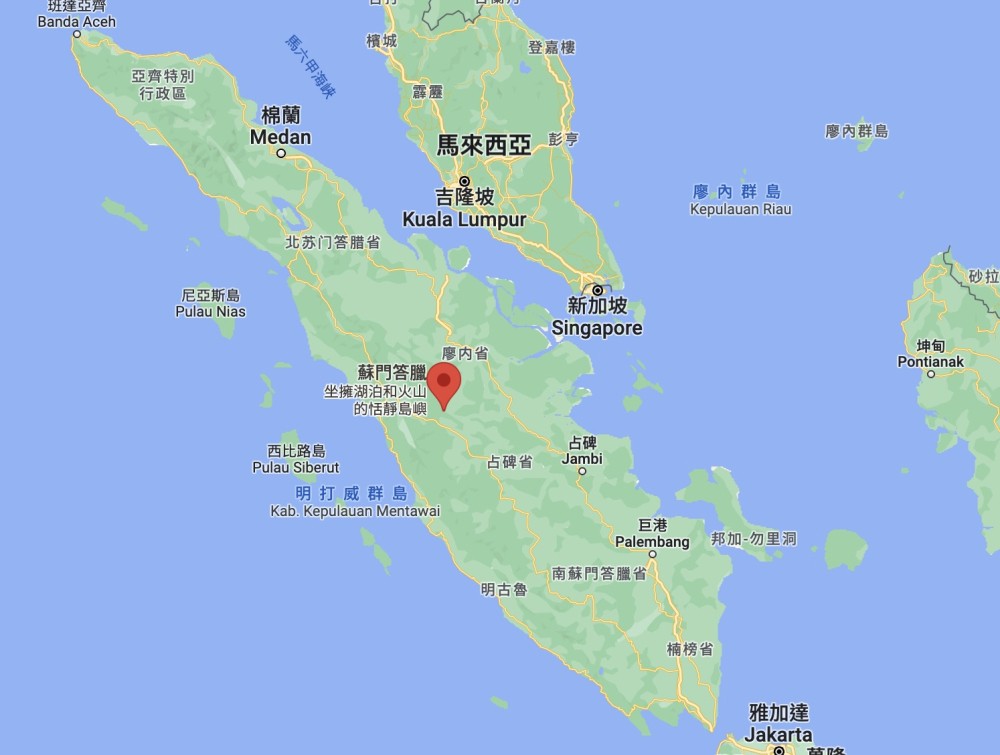
As the core producing area of Indonesian coffee, Sumatra’s main cultivation zones are concentrated in the northern part of the island, particularly in Aceh and North Sumatra provinces. In Aceh, coffee is mostly grown near Lake Tawar in the Gayo Mountains by the indigenous Gayo people; whereas in North Sumatra, the focus is on the regions around Lake Toba and the southern Lintong area, primarily managed by the Batak people. Notably, these areas are mostly operated by smallholder farmers who use traditional semi-washed processing methods. Coupled with soil that is low in iron content, freshly harvested beans often display a distinctive bluish-green hue.
If you prefer low-acid coffee with intense aroma, spicy and woody notes, then Lintong Mandheling from Indonesia is a highly worthwhile option to try. This coffee is typically medium to dark roasted, with almost no acidity, yet delivers strong spice flavors and a cool, mint-like aftertaste, along with rich sweetness and a heavy body. It showcases its layered complexity whether brewed via pour over, French press, or moka pot.
Aside from Sumatra, another noteworthy producing region is Flores Island (also known as Pulau Flores) in Indonesia’s Sunda Islands. Many people, upon first hearing the name, often wonder: “Where is Flores Island?” In fact, Flores is a major island in central Indonesia, discovered by the Portuguese in the 15th century. Due to its rich natural ecology and vibrant vegetation, it earned the name "Flower Island" or "Coba da Flores." The island’s altitude and climatic conditions give rise to a distinctly different Indonesian coffee flavor.
Coffee processing in Flores is also quite representative, with the local adoption of the so-called "wet-hulling method (Giling Basah)," also known as semi-washed processing. The hallmark of this method is that after initial washing and fermentation, the parchment-covered beans are first sun-dried for one to two days — at which point their moisture content is around 30% to 50%, not yet fully dry — before the parchment layer is removed. The beans are then dried further to reach a moisture level of 12% to 13%. This approach significantly shortens the overall drying time, but also imparts a thicker, lower-acid, and more aromatic profile to the coffee beans.
The star of this introduction — Indonesia Sumatra Flores SC18+ Washed Mandheling (18 mesh), hails from the Flores region in Indonesia’s Sunda Islands. The producing area of this coffee sits at an altitude between 1,200 to 1,600 meters, and is cultivated by the Bajawa Farmers Cooperative. The varieties planted include Catimor, Caturra, Typica, and Sidikalang, grown in fertile black volcanic soil that offers excellent nutrition and drainage.
This batch of coffee belongs to the SC18+ grade, meaning the green beans are screened to be 18 mesh or larger with a low defect rate and stable quality. The processing follows Indonesia’s traditional wet-hulling method, resulting in coffee beans with a uniquely full-bodied and low-acid character. In terms of flavor, this Flores Mandheling showcases notes of dark chocolate, caramel, licorice, stone fruits, and aromatic woody tones, even with a hint of tobacco aroma. The overall cup is sweet, smooth, and layered, making it highly suitable for coffee lovers who enjoy low-acid, richly flavored brews. Whether you’re a pour over beginner or an espresso enthusiast, you can find your optimal brewing approach with this coffee.
The above content is compiled by CoffeeHunters, a coffee news website.


