







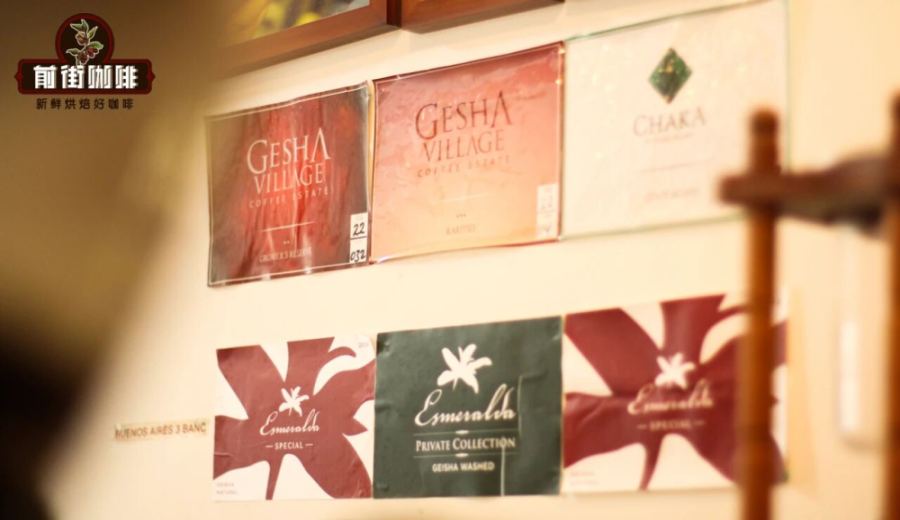
Introduction:Did you know that the "Geisha" in Geisha coffee is actually pronounced similarly to the Japanese word for geisha (艺妓)? From its origins as a wild Ethiopian variety to becoming a top-tier competition bean in Panama, how did this coffee, renowned for its floral aroma, rise to prominence in competitions and develop two distinctly different flavor profiles through natural and washed processing methods? This article delves into the origins and naming of Geisha, compares the flavor differences between the two processing methods, and recommends bean options for both beginners and advanced enthusiasts to help you find your own perfect cup of Geisha.
When it comes to Geisha (Geisha), many people wonder: is it "Geisha" or "Geisha (艺妓)"? In fact, the English pronunciation of "Geisha" is quite similar to the Japanese word for "geisha," and in the early Chinese-speaking community, it was once translated as "Geisha coffee." However, as Panama’s Hacienda Esmeralda gained international acclaim in coffee competitions, this coffee gradually became widely accepted under the name "Geisha," establishing itself as a star variety in the specialty coffee market.
The so-called Geisha originally came from the area around Gesha Mountain in southern Ethiopia and is one of the native varieties of the Kafa Forest in that region. In 1931, a British explorer discovered these coffee tree seeds in the primeval forest near Gesha Mountain and introduced them to Kenya the following year. Later, this variety gradually spread to Uganda, Tanzania, and even entered Costa Rica in 1953. By the 1970s, Francisco Serracin, the owner of Panama’s Hacienda La Esmeralda, introduced the Geisha variety from CATIE in Costa Rica and began cultivating it locally.
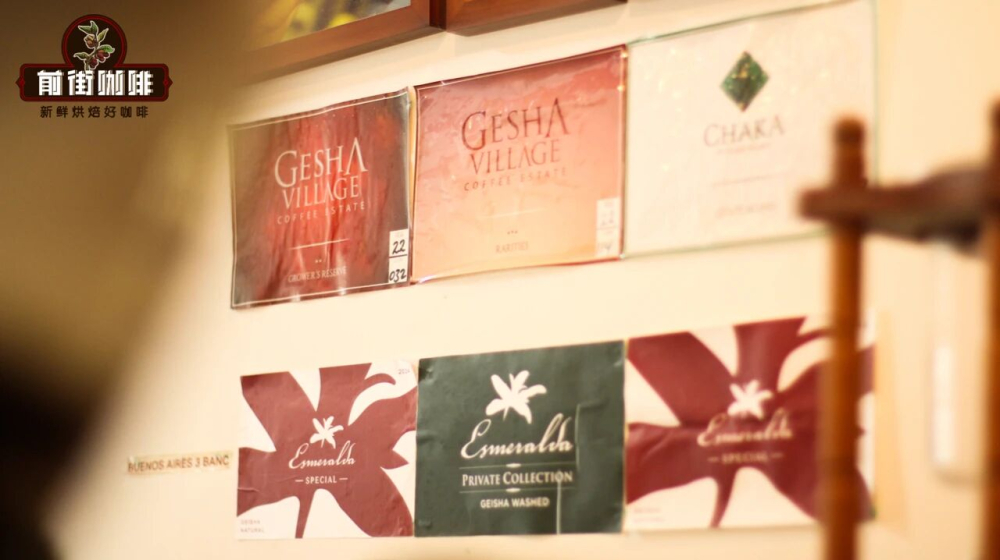
However, when Geisha first arrived in Panama, due to its low yield and unremarkable appearance, it was not highly valued. Most farmers only planted it as a windbreak to protect other high-yield coffee trees. It wasn’t until 2003 that descendants of Panama’s Hacienda Esmeralda accidentally discovered a batch with peculiar, intense floral aromas among a set of processed coffee beans. After tracing back, they found that it was the long-overlooked Geisha variety. The following year, this batch of coffee was singled out and entered the Best of Panama (BOP) competition, where it won first place. From then on, Geisha became an overnight sensation and a top-tier variety sought after by specialty coffee enthusiasts worldwide.
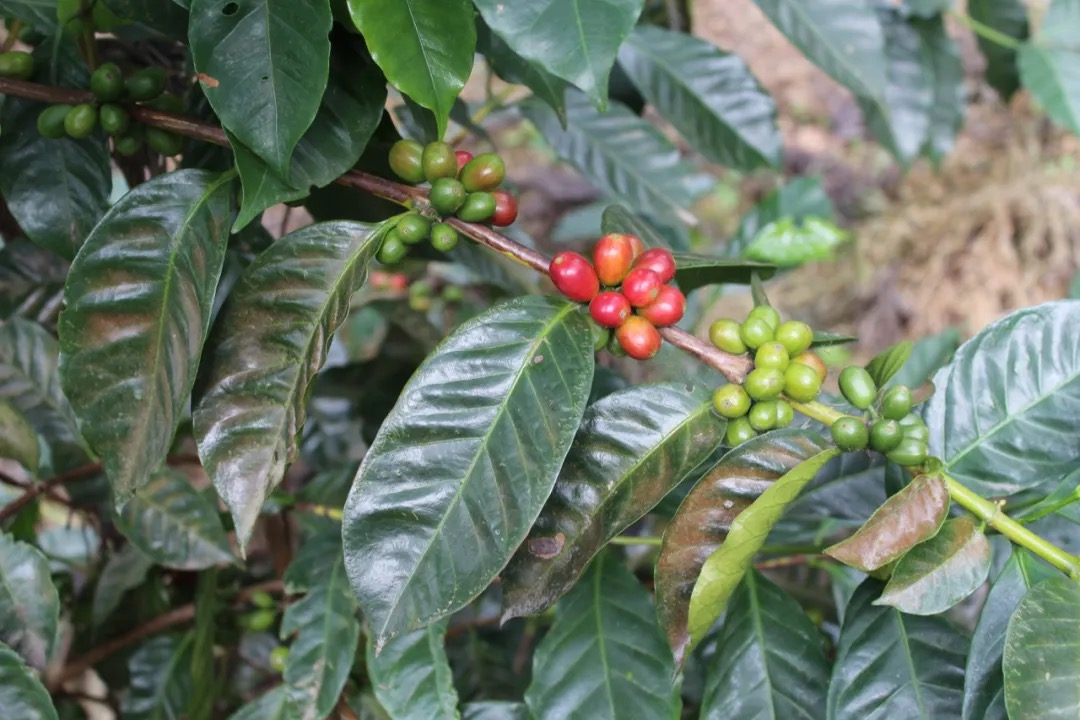
What makes Geisha special is not only its unique genetic background but also its ability, under the right conditions, to exhibit extreme floral notes, delicate acidity, and a tea-like aftertaste. However, this variety also has clear drawbacks—its yield is extremely low, the tree structure is open with long branch spacing, and both flowering and fruiting are limited. It is very demanding in terms of altitude, soil, and microclimate. Generally, Geisha needs to be grown at high altitudes, preferably with cloud cover or dense shade trees for protection, along with fertile, well-drained soil, to fully realize its potential.
In terms of processing methods, the flavor profile of Geisha can vary significantly between natural and washed processes. The natural process retains more pulp and mucilage, resulting in a more concentrated sweetness, often with layers of intense tropical fruits, berries, and honey, while the floral notes are more exuberant, giving an overall rich and bold flavor. The washed process, on the other hand, emphasizes cleanliness and clarity, with brighter and more delicate acidity, commonly featuring flavors like citrus, camellia, and white peach, and a soft tea-like finish, making it suitable for those who prefer a refreshing taste.
For those new to Geisha, it is recommended to start with an entry-level Panamanian Geisha from a high-altitude region with balanced flavors. For example, some farms offer beans with distinct citrus blossom and honey notes, offering a fresh taste reminiscent of fruit tea. These help in understanding the basic characteristics of Geisha without being overly intense.
Advanced enthusiasts may opt for cost-effective Green Label Geisha beans, which typically come from mid-to-high altitude sections of well-known estates. These beans offer a richer layering of flavors, combining bright acidity with fruity sweetness, and are suitable for pour over or filter brewing. They are a great choice for everyday drinking and further exploration.
If you want to experience the ultimate expression of top-tier Geisha, Red Label Geisha is an unmissable choice. These beans usually come from carefully selected micro-lots within the estate, with management strictly controlling the growing environment. Not only are they rare in yield, but they are also meticulously processed and sorted, resulting in extremely delicate and complex flavors. Common notes include high-end floral aromas, tropical fruits, intense sweetness, and aftertastes that can last several minutes. They are perfect for sharing with fellow enthusiasts or as a premium gift.
The above content is compiled by CoffeeHunters, a coffee news website.


