







Introduction:As the birthplace of Arabica coffee, Ethiopia is renowned for its distinctive citrus acidity and tea-like aftertaste. This article delves into the characteristics of the country’s major coffee-growing regions, its three primary farming models, the differences between washed and natural processing methods, the G1 to G9 grading system, and the evolution of its export landscape. Drawing on cupping insights, it also explores the bright, clean profiles achievable with medium-to-light roasting, as well as the flavor distinctions between Yirgacheffe washed and natural coffees—helping you choose the most suitable Ethiopian beans.
Ethiopia, also known as Abyssinia, is the birthplace of Arabica coffee and ranks as the world’s fifth-largest Arabica producer. The country’s coffee is celebrated for its bright citrus acidity and soft, tea-like finish, particularly excelling when roasted to medium or light levels, making it highly favored by specialty coffee enthusiasts worldwide.
The nation’s key coffee-growing regions include Harar, Limu, Djimma, Sidamo, Kaffa, Yirgacheffe, and Wellega. These areas generally feature well-drained, slightly acidic red soils with loose textures, creating ideal conditions for coffee cultivation. Among them, Sidamo and Yirgacheffe are regarded as flagship regions for specialty coffee, often yielding beans with complex flavors such as floral notes, citrus, and berries.
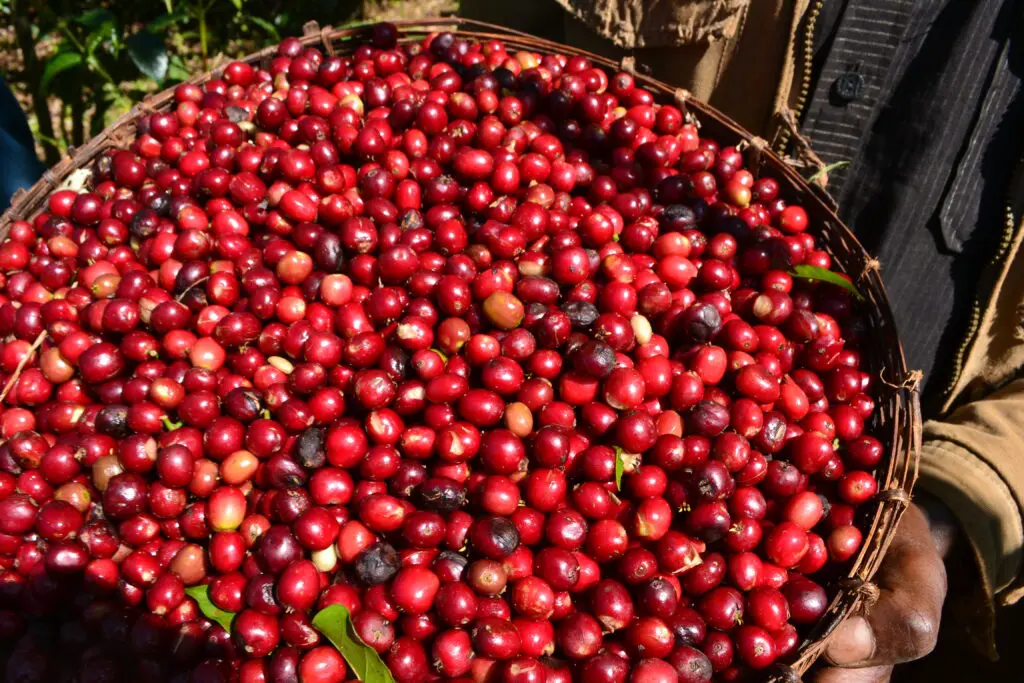
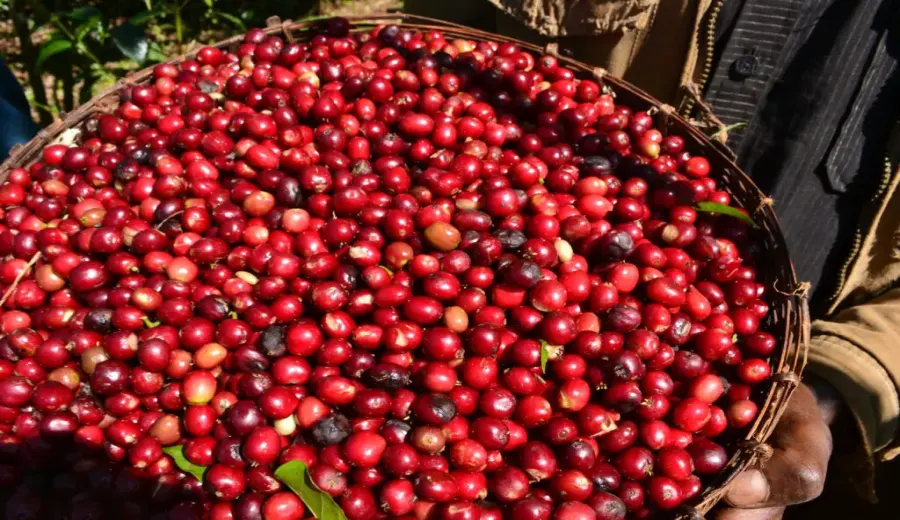
Ethiopian coffee is harvested once a year, with the flowering season occurring around March to April. The fruits gradually develop, and by September to December, the red, ripe coffee cherries reach their optimal picking period. The new crop typically begins exporting between November and December. Roughly a quarter of Ethiopia’s population relies directly or indirectly on the coffee industry for their livelihoods, with most farms employing traditional cultivation methods—free from chemical fertilizers and pesticides—resulting in largely natural and organic production.
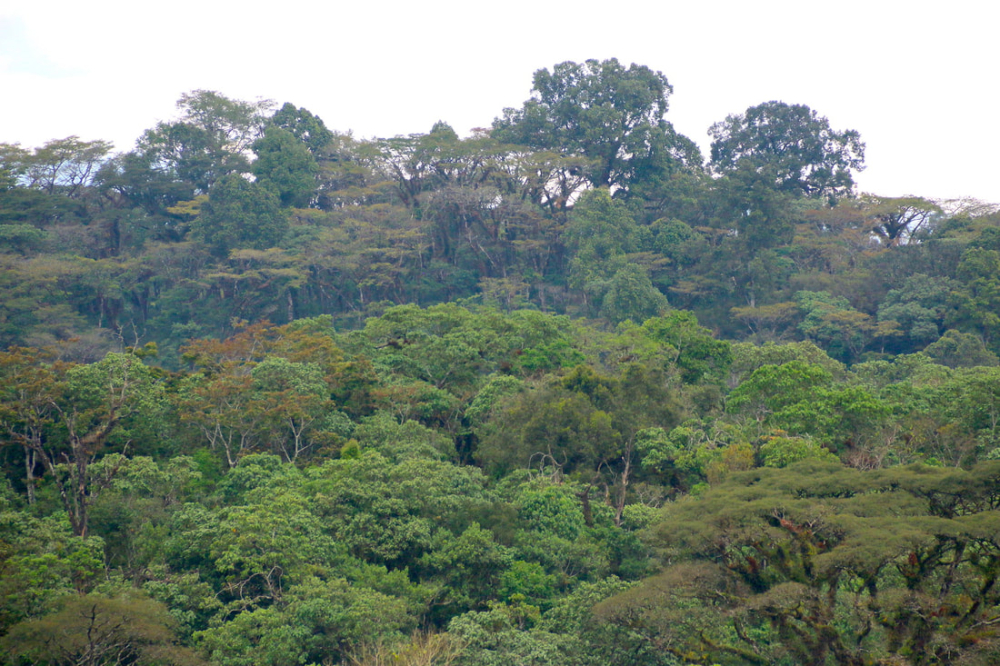
Based on growing environments, Ethiopian coffee cultivation can be categorized into three main types: forest or semi-forest coffee (accounting for about 60%), garden coffee (around 35%), and plantation coffee (approximately 5%). Forest and semi-forest coffee mostly grows wild or semi-wild in natural forests, with minimal pesticide use and pest control relying on natural ecological balance. Garden coffee coexists with other crops, drawing nutrients from organic materials like fallen leaves and animal manure, with coffee trees typically planted in homesteads or along farmland edges. Plantation coffee represents a more modern approach, featuring organized planting, new coffee varieties, and managed shade trees.
In terms of processing methods, Ethiopia primarily employs two traditional techniques: washed (Washed coffee) and natural (Sun-dried coffee). Washed processing accounts for about 35% of exports and involves removing unripe and defective cherries on the day of harvest, swiftly depulping the beans, followed by fermentation, washing, drying, and hulling. The final moisture content is controlled at around 12%, often resulting in clean, bright acidity and a well-defined flavor profile. In contrast, natural processing makes up as much as 65% and is mostly handled by smallholder farmers. Red cherries are spread directly on concrete floors or raised platforms to dry in the sun until moisture levels drop to approximately 11.5%, after which they are hulled. This method typically imparts a richer sweetness and pulpy fruit character to the coffee.
From actual cupping experience, washed Yirgacheffe often exhibits bright notes of lemon and jasmine, with a crisp and clean mouthfeel, while natural processing tends to bring out tropical fruit aromas such as blueberry and mango, with a more pronounced sweetness. The flavor profiles of the two methods are distinctly different, allowing consumers to choose based on personal preference.
Ethiopia’s coffee grading and quality control system operates across three levels: initial inspection at origin, re-inspection at central grading centers in Addis Ababa and Dire Dawa, and final national quality checks before export—all ensuring each batch meets international standards. Grading is based mainly on physical characteristics (such as bean shape, size, and color) and cupping flavor performance. Export grades are denoted numerically, with washed beans graded up to G1 and natural beans up to G4. Among these, G1 to G3 beans undergo additional SCAA-standard cupping evaluations; those scoring above 85 points are classified as Q1 specialty grade, 80–85 points as Q2, and below 80 points as commercial grade (starting from G3).
Specifically, the G1 grade requires no more than 3 defects per 300 grams of green beans, while G2 allows 4 to 12 defects. Although defect assessment can sometimes involve subjective judgment, overall, G1 beans demonstrate significantly higher purity and cup quality than G2. All exported beans must be traded via letters of credit, safeguarding the interests of both buyers and sellers and ensuring transparency in origin, processing, and quality information.
Coffee is Ethiopia’s most important export agricultural product, accounting for approximately 35% of the country’s foreign exchange earnings. It holds a global market share of around 3%, ranking as the world’s eighth-largest coffee exporter. Over the past few decades, export volumes have steadily grown—from 58,000 metric tons in the mid-1990s to a peak of 127,000 metric tons during the 2002–2003 season. Despite periods of prolonged low international coffee prices that reduced foreign exchange returns, price rebounds since 2002 have injected positive momentum into coffee-producing regions.
Currently, Ethiopian coffee is primarily exported to the United States, European countries (such as the UK, Germany, France, Sweden, and Norway), Australia, and others. Following the 1991 economic reforms, private exporters have become the dominant force, accounting for roughly 90% of total exports. Additionally, domestic coffee consumption is also significant, with internal consumption making up 42.3% of total production in 2003 and per capita annual consumption reaching 3 kilograms—underscoring how deeply coffee has become embedded in the daily lives of Ethiopians.
Looking back, coffee production and sales were predominantly privately run before 1974, followed by a phase of nationalization. It wasn’t until the market liberalization in 1991 that private participation flourished again. Today, Ethiopian coffee is not only famed for its rich regional flavor profiles and rigorous grading system but also holds a pivotal position in the global specialty coffee market. By gaining a deeper understanding of its regional characteristics, processing techniques, and grading logic, consumers can more accurately select Ethiopian beans that align with their taste preferences—enjoying the unique charm of medium-to-light roasts, with their clean brightness and layered fruity complexity.
The above content is compiled by CoffeeHunters, a coffee news website.


