







Introduction:Want to understand the difference between Yirgacheffe and Geisha? This article starts from Konga Cooperative in Ethiopia’s Yirgacheffe region, delving into its washed Yirgacheffe, and compares it with the Green Label Geisha from Panama’s Hacienda La Esmeralda. From origin background, processing methods, flavor profiles, brewing recommendations, to price differences, it helps you grasp the characteristics and ideal scenarios for these two classic coffee beans.
In the world of specialty coffee, Yirgacheffe and Geisha are undoubtedly two shining stars. The former is often the first choice for beginners to explore fruity acidity and floral notes, while the latter, with its unique citrus tones and fruity-floral aromas, has become one of the hottest and most expensive bean varieties on the market. But what exactly sets them apart? This article begins with Konga Cooperative in Ethiopia’s Yirgacheffe region, helping you understand its washed Yirgacheffe and conducting a comprehensive comparison with the Green Label Geisha from Hacienda La Esmeralda in Panama. From regional environment, processing methods, flavor performance, to practical brewing parameters and price differences, it will help you choose the coffee that suits you more clearly.
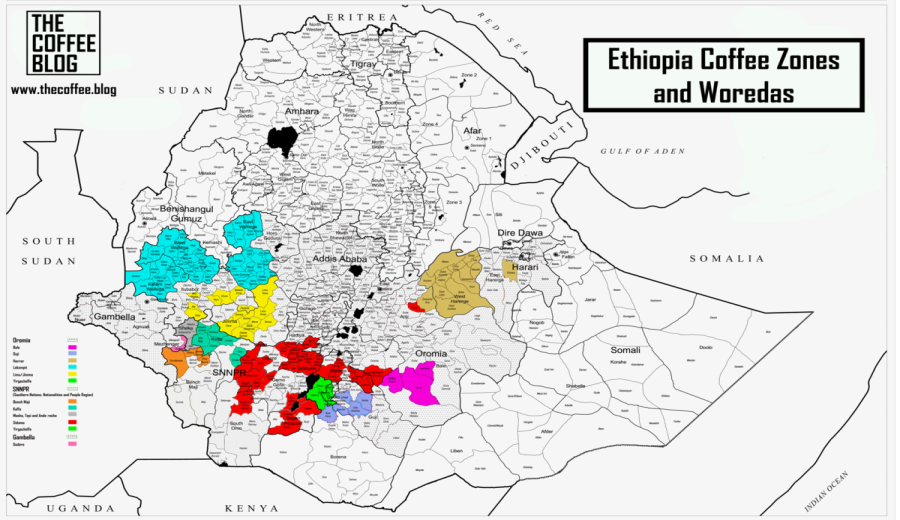
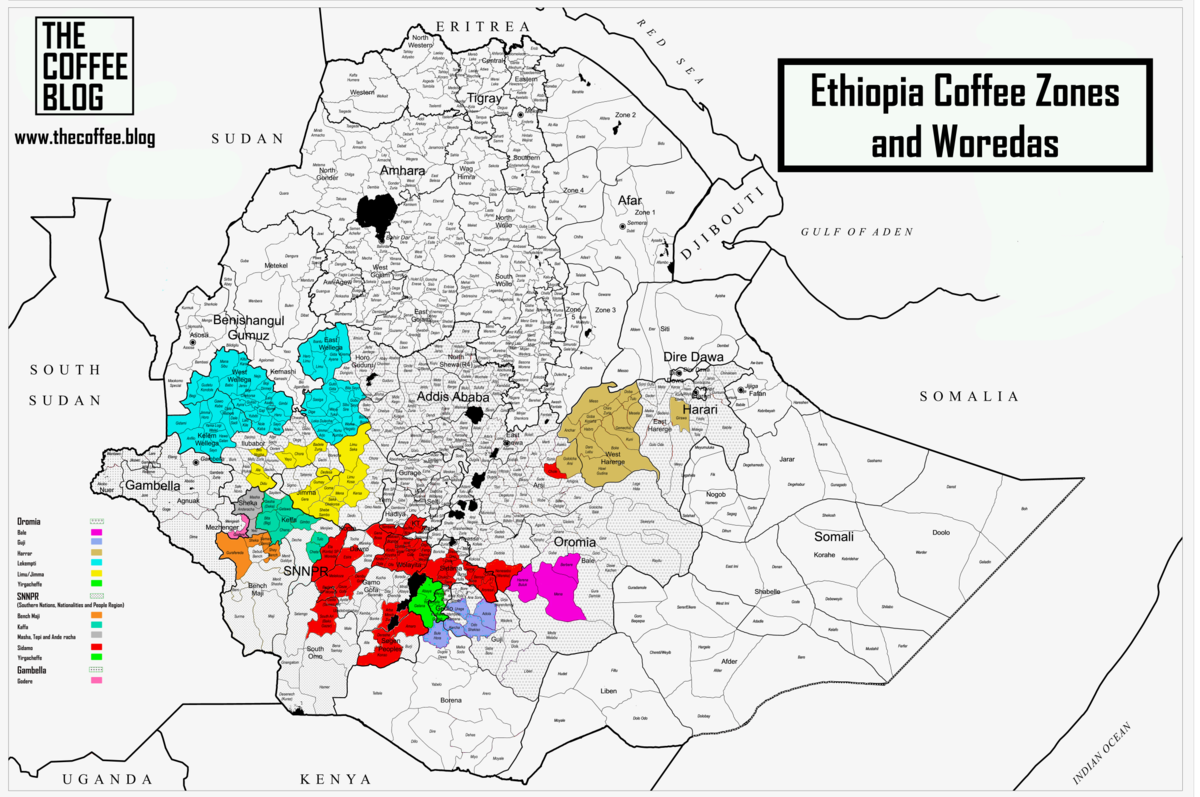
Yirgacheffe was originally just a small town in Ethiopia’s Sidamo region, but due to its exceptional geographical conditions and outstanding coffee flavors, it gradually stood out. This area is located at high altitudes, with an average elevation exceeding 2000 meters, coupled with large day-night temperature variations and a stable tropical climate, allowing coffee cherries to ripen slowly and accumulate richer flavor compounds. As early as 2002, the Yirgacheffe Coffee Farmers Cooperative Union (YCFCU) was established, currently encompassing 28 cooperatives and serving over 45,100 coffee farmers, and it operates independently from the ECX (Ethiopian Commodity Exchange), enabling it to directly pursue higher quality and market returns.
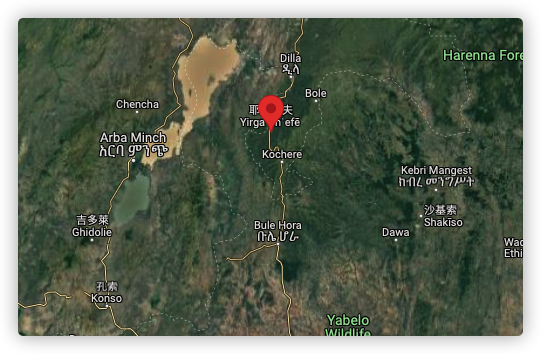
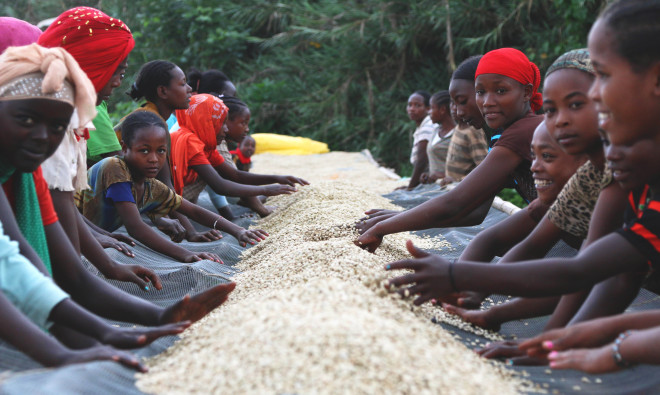
The Yirgacheffe region can be further divided into multiple micro-regions, such as Wenago, Kochere, Gelena Abaya, and the focus of this article—Konga. Konga Cooperative was founded in 1994 and joined the YCFCU in 2002. It is a typical high-altitude micro-region, with an average elevation of about 2000 meters, abundant annual rainfall of around 1400 to 1800 millimeters, and soil that is nutrient-rich red-brown loam, suitable for coffee cultivation. Currently, the cooperative has 1556 smallholder farmers, with an average farming area of only about 1.25 acres per person, mainly growing Typica and heirloom coffee varieties, as well as economic crops like bananas and corn to sustain their livelihoods.
The washed Yirgacheffe from Konga Cooperative featured here comes from such a detail-oriented and quality-focused micro-region. Using the washed processing method effectively highlights the coffee’s cleanliness and bright layers of fruit acidity, making it a popular entry choice for many pour over enthusiasts. The flavor profile of this bean is typically highly representative: at high temperatures, you can sense rich berry sweetness, with a creamy mouthfeel and a clean acidity akin to freshly squeezed juice. As the temperature drops slightly, it reveals a soft tone reminiscent of lemon tea, with an overall balanced and layered performance.
In contrast to Yirgacheffe, Geisha is a top-tier variety whose price has soared in recent years. Geisha originally comes from the Gori Gesha forest in Ethiopia, was brought to Costa Rica in the 1950s, and later introduced to Panama. Initially, Geisha was only used as a windbreak, until Hacienda La Esmeralda planted it in high-altitude areas and unexpectedly discovered its potential. In 2004, Hacienda La Esmeralda entered Geisha in the Best of Panama (BOP) green coffee competition and won first place, instantly gaining fame and becoming a top symbol in the global specialty coffee market.
The comparative bean used in this article is a certain brand’s Panamanian Hacienda La Esmeralda Green Label Geisha, processed using the natural (sun-dried) method, grown at elevations between 1600 and 1800 meters. This Geisha has a highly distinctive flavor profile:The dry aroma carries subtle floral notes, and upon the first sip, you can immediately taste bright citrus and lemon acidity. As the temperature drops, passionfruit and ripe berry aromas unfold layer by layer, maintaining excellent performance even at medium to low temperatures, with a long-lasting tea-like aftertaste. The overall flavor is delicate and the finish is lingering.
For a fair comparison, we used consistent brewing parameters for the pour over test: using a V60 filter, water temperature controlled at 91°C, a coffee-to-water ratio of 1:15, 15 grams of coffee, and grind size calibrated to approximately 80% extraction through a Chinese No. 20 sieve. The specific technique is as follows: start with a 30-second bloom using 30 grams of water, then pour in a small circular motion until reaching 125 grams for the first pour, wait until the water level is about to expose the coffee bed before pouring again up to 225 grams, then stop. Remove the filter when the water in the V60 is nearly drained, with a total brew time of about 2 minutes.
The actual tasting results show that both coffees have their unique strengths:Yirgacheffe (Konga washed) showcases a refreshing and bright fruit acidity with a juicy character, suitable for coffee beginners who enjoy a clean fruity-floral profile or for everyday drinking; whereasGeisha (Esmeralda Green Label) excels with its rich floral and fruity notes and delicate tea-like finish, making it better suited for advanced enthusiasts seeking complexity and depth of flavor. Additionally, in terms of price, a 100-gram pack of Yirgacheffe from a certain brand typically sells for only around 25 yuan, making it very affordable and ideal as a daily drinker; whereas Geisha, due to its limited production and high reputation, often commands prices several times that of Yirgacheffe, making it a choice for specialty collection or special occasions.
In summary, Yirgacheffe and Geisha each represent the pinnacle of specialty coffee from Ethiopia and Panama respectively. Through an in-depth analysis and practical brewing comparison of Konga Cooperative’s washed Yirgacheffe and Hacienda La Esmeralda’s Green Label Geisha, not only can you gain a clearer understanding of their flavor profiles and ideal usage scenarios, but it also helps you make more taste- and budget-aligned decisions when purchasing coffee beans.
Whether you’re a beginner just starting out or an experienced coffee enthusiast, these two classic beans are worth savoring in detail to appreciate the regional characteristics and the dedication of the coffee farmers behind them.
The above content is compiled by CoffeeHunters, a coffee news website.


