







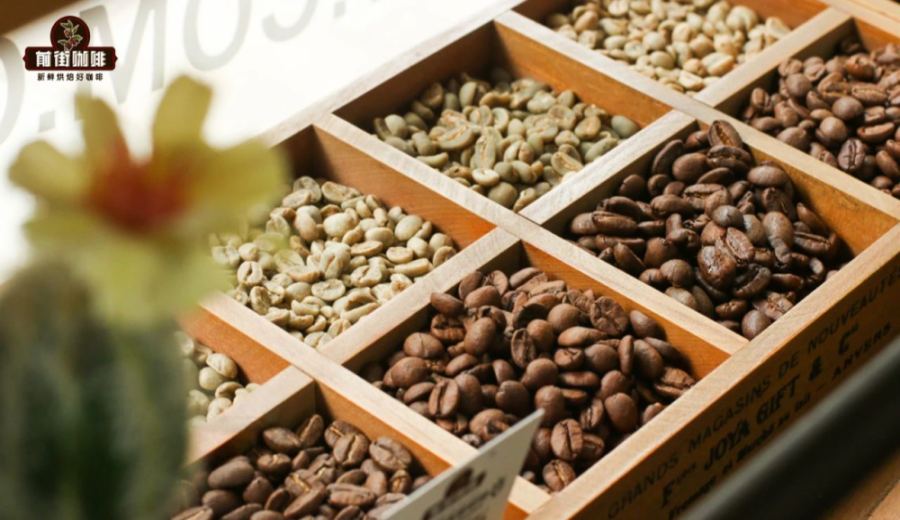
Introduction:Rwanda’s coffee journey—from post-war recovery to specialty transformation—is driven not just by high altitudes and washed processing, but also by precise varietal selection and regional management. This guide delves into Rwanda’s historical background, key producing regions, washed processing methods, and offers practical roasting and pour over parameters, along with a detailed flavor profile, to help you fully appreciate the unique charm of this African gem.
Located in Central Africa, Rwanda may be small in size, but it is an indispensable player in the global specialty coffee map. Known as the “Land of a Thousand Hills,” this mountainous country, with its high-altitude growing environment and years of specialty-focused efforts, produces coffee renowned for its bright acidity and rich fruitiness. Particularly, its washed beans dominated by the Bourbon variety are a top choice for many coffee enthusiasts exploring African flavors. This article will take you through Rwanda’s coffee essence—from historical context and regional distribution, to processing techniques, and practical roasting and brewing advice.
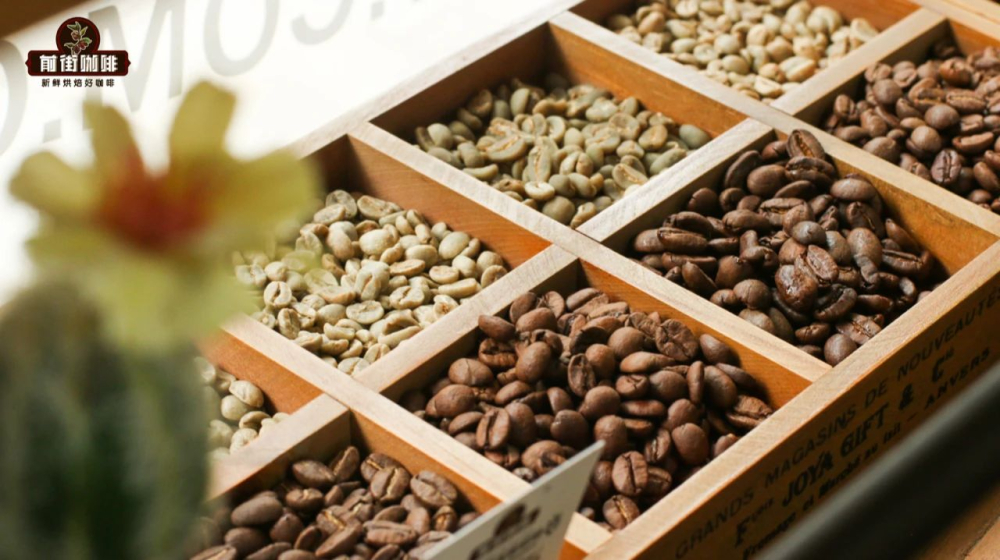
Rwanda’s coffee cultivation history dates back to the colonial era, but early on, it received little attention, with both quality and yield being average, making it difficult to enter the international specialty market. Like many other post-colonial regions, the area initially focused on yield-driven production, resulting in mediocre coffee flavors. However, following the social reconstruction after the 1994 genocide and the USAID-funded PEARL and SPREAD programs starting in 2000, Rwanda gradually established a strategic direction for developing high-quality specialty coffee. With washed processing and the Bourbon variety at its core, it has steadily built a reputation in the global market.
Currently, over 90% of Rwanda’s coffee plantings are of the Bourbon variety—an Arabica type originating from Central and South America, known for its environmental adaptability, good disease resistance, and flavor potential. With most of the country situated at elevations between 1,700 and 2,000 meters, and washed processing widely practiced nationwide, Rwandan coffee generally exhibits soft berry and citrus acidity, paired with mellow sweet notes like almond and chocolate. The overall flavor is well-balanced and layered, making it highly suitable for drinkers who enjoy both fruity and sweet profiles.
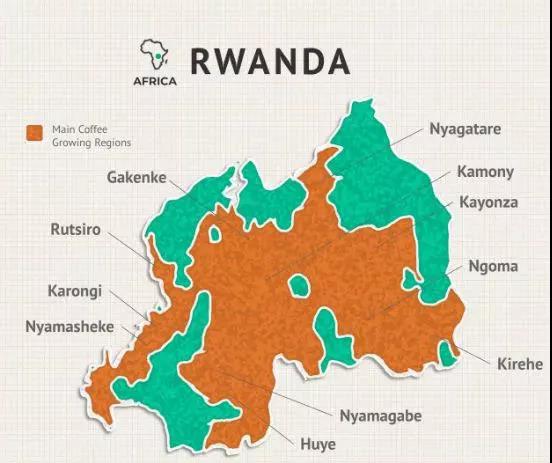
In terms of producing regions, Rwanda’s coffee cultivation is mainly concentrated in the southern and western parts. Although overall elevation and microclimate conditions are similar—leading to less pronounced regional flavor differences compared to other countries—subtle variations can still be detected. Areas like the Huye Mountains and Nyamagabe in the south, due to higher altitudes, often produce coffee with more pronounced floral and citrus notes. Meanwhile, the Nyamasheke region in the west, near Lake Kivu, benefits from a humid environment that yields coffee with intense aromas, juicy fruitiness, and full-bodied flavors. Though the differences are subtle, they are worth savoring for coffee enthusiasts attuned to fine flavor details.
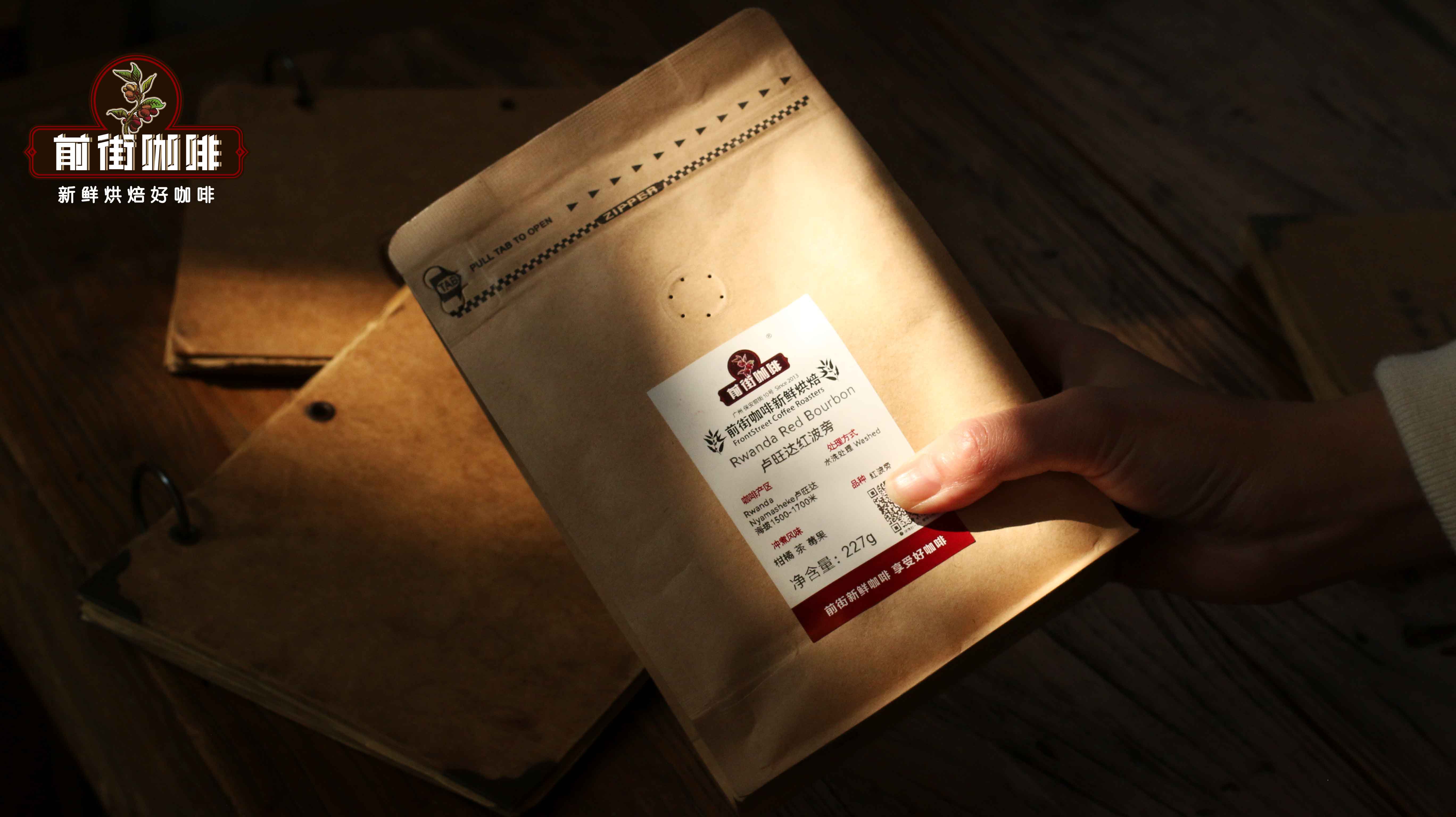
Take, for example, the Rwandan Gisakura coffee from the Nyamasheke region. This washed Bourbon bean, grown at around 1,500 meters, offers a clear balance of fruity acidity and sweetness, making it one of the classic choices for experiencing the country’s coffee character. Its washed processing method—including strict selection of ripe red cherries, 12 to 18 hours of mucilage fermentation, thorough washing, and drying at low moisture content—ensures flavor purity and consistency, embodying the essence of Rwanda’s specialty coffee craftsmanship.
Since the implementation of the 2000 reconstruction plan, Rwanda has successively built over 46 professional washed processing facilities. These facilities not only improve the efficiency and quality of coffee processing but also provide local farmers with more stable income sources. The widespread adoption of washed processing in Rwanda is not just a technical choice but a key factor in shaping its flavor identity—by removing the pulp and mucilage, then fermenting with clean water to eliminate residual stickiness, it ultimately delivers a coffee with clear, bright acidity, lively yet sweet profiles, allowing drinkers to directly experience the region’s unique terroir.
For roasting recommendations, given that Rwandan coffee generally features a fresh and bright acidity, a medium-light roast is advised to highlight its fruit and floral layers. Practical roasting parameters can refer to the following: charge temperature set at 175°C, yellowing stage occurring at approximately 5 minutes 55 seconds when the temperature reaches 152.1°C, first crack starting around 9 minutes 20 seconds at 183°C, followed by about 2 more minutes of roasting until the temperature hits 194.4°C post-first crack for dropping. This approach preserves the maximum amount of the coffee’s inherent flavor characteristics.
As for pour over recommendations, use 15 grams of coffee grounds with a 1:15 coffee-to-water ratio, maintaining a water temperature of 90°C and a grind size of fine (approximately 80% passing through a #20 sieve). Brewing can follow a step extraction method: start with a 30-second bloom using 30 grams of water, then pour in a circular motion with a slow stream until reaching 125 grams for the first pour. After the water level drops, continue pouring to 225 grams, keeping the total extraction time around 2 minutes. This method fully highlights Rwanda coffee’s citrus, berry, and nut layers, with a lingering caramel-like sweetness in the aftertaste.
In summary, Rwanda’s coffee, with its unique geographical conditions, carefully planned varietal strategy, and washed processing, has successfully risen from post-war ruins to the international stage of specialty coffee. Whether as a daily brew or an entry point for exploring African flavors, Rwandan Bourbon washed beans are well worth trying and will open a window into the agricultural resilience and craftsmanship of this “Land of a Thousand Hills.”
The above content is compiled by CoffeeHunters, a coffee news website.


