







Introduction:An in-depth exploration of Ethiopia’s two renowned coffee regions—Yirgacheffe and Sidamo. From geographical environment and altitude to processing methods and flavor profiles, this article thoroughly dissects the uniqueness of these two origins. It also provides recommended pour over parameters for light-roasted Ethiopian beans, helping readers master brewing techniques and develop a systematic understanding of specialty coffee.
Ethiopia is considered the cradle of global specialty coffee, with Yirgacheffe and Sidamo being two of its brightest jewels. The former is famed for its bright citrus, elegant white flowers, and tea-like qualities, while the latter showcases rich berries, red floral notes, and a hint of fermented tea, each offering distinct layers of flavor. Understanding the terroir and processing traditions of these two regions not only allows for more precise appreciation of the coffee but also helps in shaping one’s personal taste profile.
A common challenge for those new to specialty coffee is figuring out which beans to choose. Faced with an overwhelming array of origins and processing methods, it’s easy to spend money without getting the desired experience if you lack basic knowledge. Starting with classic regions like Yirgacheffe and Sidamo is a relatively safe and representative choice. These two regions not only have clear flavor profiles but also demonstrate the diverse potential of Ethiopian coffee.
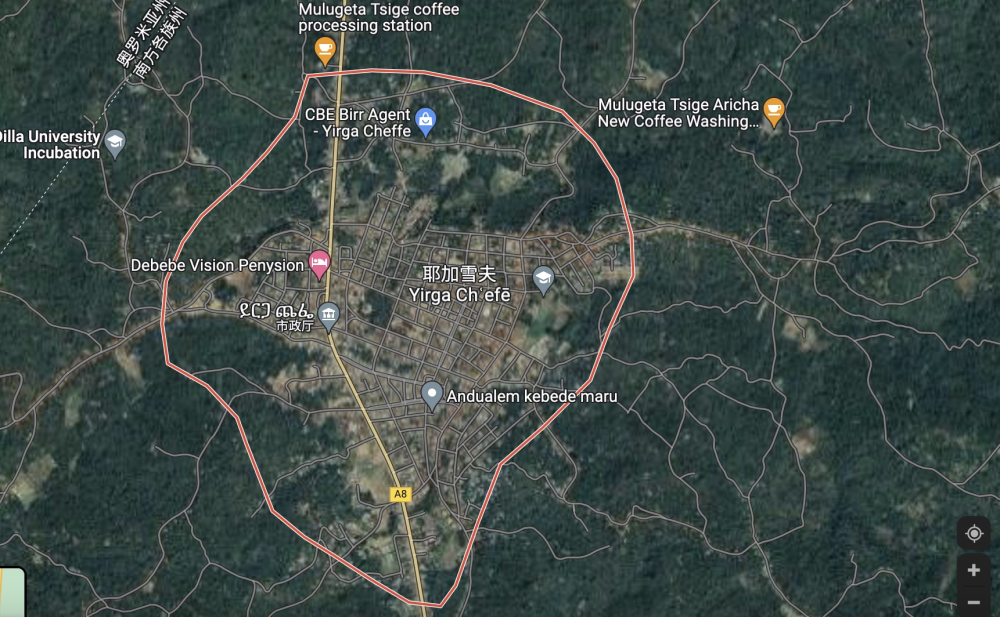
Yirgacheffe, a small town located in southern Ethiopia, was originally part of the Sidamo province. However, due to its unique geographical environment and outstanding cupping performance, it was designated as an independent region in 2010. The area’s elevation mostly ranges between 1700 and 2100 meters, with high-quality coffee farms predominantly situated above 1800 meters, making it one of the highest-altitude coffee-growing regions in the world. The high elevation creates significant diurnal temperature variations, slowing the ripening process of coffee cherries and aiding in the accumulation of flavor compounds. Coupled with year-round fog and a mild, humid climate, this results in coffee with bright acidity, vibrant floral notes, and a lingering tea-like finish.
Yirgacheffe coffees often exhibit pronounced citrus and lemon acidity, complemented by jasmine, lily, and other white floral aromas. The mouthfeel is clean and smooth, with an aftertaste reminiscent of sipping a delicate lemon tea—long and refreshing. Such flavor profiles are emblematic of what is known as "regional character" and are highly favored in the international market. They also serve as an accessible entry point for many coffee newcomers exploring specialty coffee.
As for Sidamo, though geographically encompassing Yirgacheffe, its flavor profile is far more diverse. Sidamo boasts extremely rich soil types, microclimates, and a diverse genetic pool of native varieties, meaning that even coffees from neighboring villages can display markedly different personalities. Overall, however, Sidamo coffees are characterized by intense berry acidity and sweetness, red floral notes (such as rose and geranium), and a semi-fermented tea-like quality with a hint of fermentation. To enhance body and complexity, the region often employs the natural (sun-dried) processing method, allowing sugars and fermentative aromas from the pulp and mucilage to fully penetrate the seeds, resulting in a rounder and fuller mouthfeel.
In terms of processing preferences, Yirgacheffe and Sidamo each have their own tendencies. Washed Yirgacheffe beans, which undergo fermentation in water tanks to remove the mucilage, yield cleaner and brighter acidity with a crisp and vivid flavor profile. In contrast, natural (sun-dried) Sidamo beans, dried with the entire fruit intact, allow sugars and fermentative aromas to infuse the seeds, creating a more pronounced sweetness along with distinctive winey and dried fruit notes. For example,Yirgacheffe Natural Red Cherryoften displays flavors of berries, lemon, strawberry, and fermented wine, whileSidamo Huakui Small Beanis distinguished by passionfruit, strawberry, jackfruit, and intense fermentative aromas.
In terms of roast level, this coffee brand typically uses a light roast for both beans to preserve their inherent acidic brightness and delicate flavors. Light roasting highlights vibrant fruit acids and floral notes, making it ideal for coffee enthusiasts who prefer a refreshing taste. It’s worth noting thatafter receiving freshly roasted beans, it’s recommended to let them rest for 3–5 days for degassingbefore brewing via pour over to achieve optimal extraction.
For brewing light-roasted Ethiopian beans, it is suggested to use a grind size similar to fine sugar (approximately 80% through a Chinese No. 20 sieve), with a water temperature set at 90–92°Cand a 1:15 coffee-to-water ratiousing a three-stage pouring technique. The specific steps are: pour 30 grams of water for a 30-second bloom, then circle-pour to 125 grams, wait for the water level to drop, and then continue pouring to 225 grams. The total extraction time should be controlled within 2 minutes and 00 seconds to 2 minutes and 10 seconds. This parameter helps balance acidity and sweetness, highlight layers of flavor, and avoid over-extraction or excessive sourness.
In summary, whether you prefer the refreshing tea-like notes and citrus tones of Yirgacheffe or the bold berry explosion and rich winey depth of Sidamo, these two regions offer highly representative tasting experiences for coffee lovers. By delving into details such as origin terroir, altitude and climate, processing methods, and brewing techniques, you’ll develop a sharper palate and find your own preferred direction in the world of specialty coffee.
The above content is compiled by CoffeeHunters, a coffee news website.


