








Introduction:Delve into the unique flavor profiles and processing methods of three major Asian coffee regions—Indonesia, India, and Vietnam. From traditional wet hulling to monsooning, we offer a comprehensive analysis of the bean varieties, flavor characteristics, and optimal brewing recommendations for each, helping you find the beans and brewing style that best suit your taste.
Asian coffee regions are renowned for their bold, full-bodied flavor profiles. Among the three major producers—Indonesia, India, and Vietnam—distinct geographical environments, variety selections, and processing methods create vastly different coffees. Whether it’s Indonesia’s classic wet-hulled Mandheling, India’s unique sea-aged processing, or Vietnam’s Robusta-dominated market, these three countries hold significant positions on the global coffee map.
Indonesia: Bold Aromas Shaped by Wet Hulling and Complex Terroir
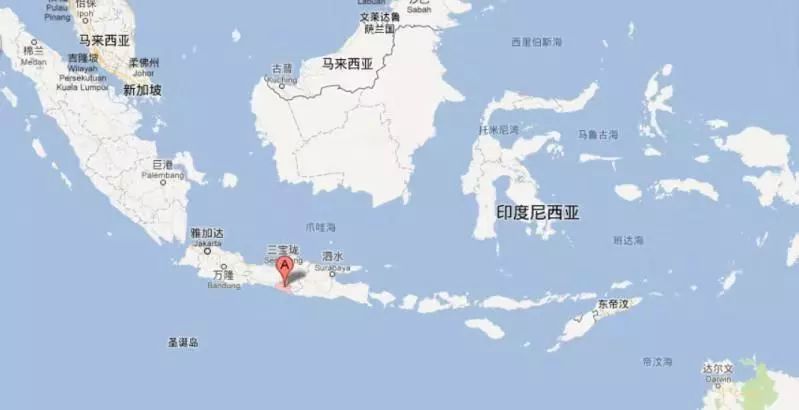
The history of Indonesian coffee dates back to 1696, when the Dutch introduced coffee seeds to Java. However, following the devastating leaf rust epidemic of 1877, Arabica nearly disappeared, leading to widespread cultivation of disease-resistant Robusta. Today, Robusta accounts for over 90% of Indonesia’s production, with small amounts of Arabica—such as Mandheling—grown mainly in northern Sumatra and high-altitude regions like Sulawesi and Flores.
Wet hulling is the most distinctive feature of Indonesian coffee processing. This method accelerates drying, imparting intense earthy, herbal, and full-bodied characteristics. Common processing regions include Sumatra’s Lake Toba and Gayo Highlands in Aceh, Sulawesi’s Toraja, as well as Flores and Bali.

Sumatra Mandheling: The Representative of Herbal Aroma and Rich Body
Mandheling from Sumatra, particularly around Lake Toba and theLintong region, is especially renowned. These areas sit at elevations of 900 to 1,500 meters, with cool climates and iron-rich soils. Mandheling is often processed using semi-washed or special wet-hulling methods, resulting in strong herbal, woody, and earthy aromas, along with a rich, oily body. It’s well-suited for medium-to-dark roasts and commonly used in espresso or French press.
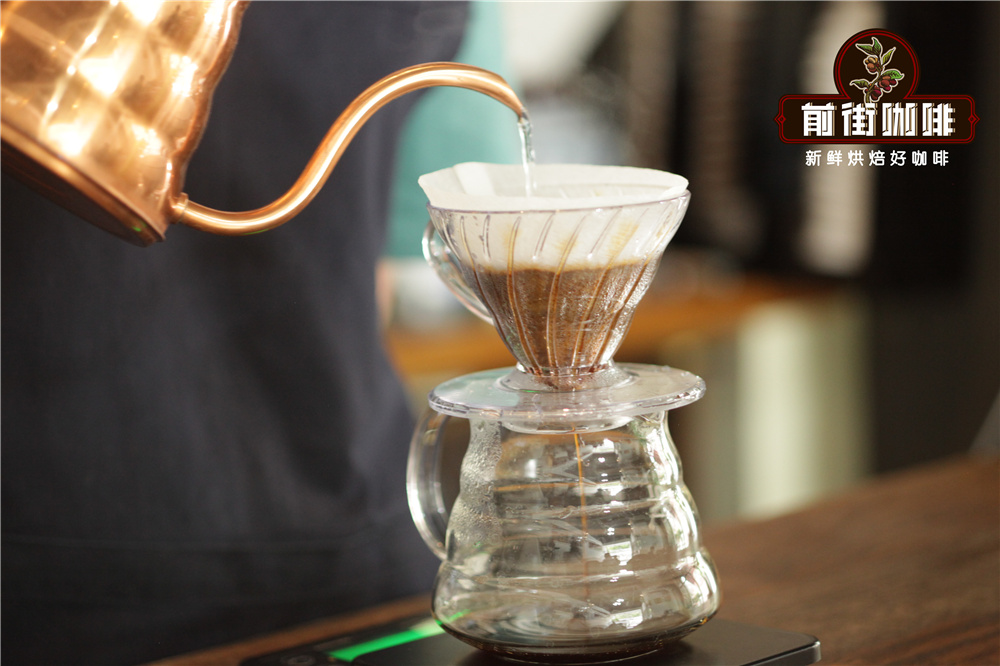
Brewing Recommendation: Use a Kono or Kalita wave dripper, with water around 86–88°C, medium-coarse grind, and a 1:13–1:14 coffee-to-water ratio to reduce over-extraction and highlight the rich, low-acid profile.
Sulawesi Toraja: Bright Acidity and Layered Complexity
Sulawesi Toraja coffee is grown at elevations above 1,200 meters and is typically processed using washed or semi-washed methods. Its flavors are fresher compared to Mandheling, featuring pronounced acidity and caramel sweetness, with clear layers and a clean cup. Production in this region is limited, making it a highly sought-after item among specialty coffee enthusiasts worldwide.
Flores and Bali: Volcanic Soils and Unique Processing
Coffee in Flores is mostly cultivated in high-altitude volcanic zones, primarily using semi-washed processing, yielding mild flavors with floral and citrus notes. Bali is known for its Catimor variety and is famous for Kopi Luwak (civet coffee), though the ethics of this processing method remain controversial. It still attracts many curious drinkers. For hand brewing, use medium temperature (88–90°C) and medium grind to emphasize fruit acidity and sweetness.
India: Monsooning and the Legend of Diverse Varieties
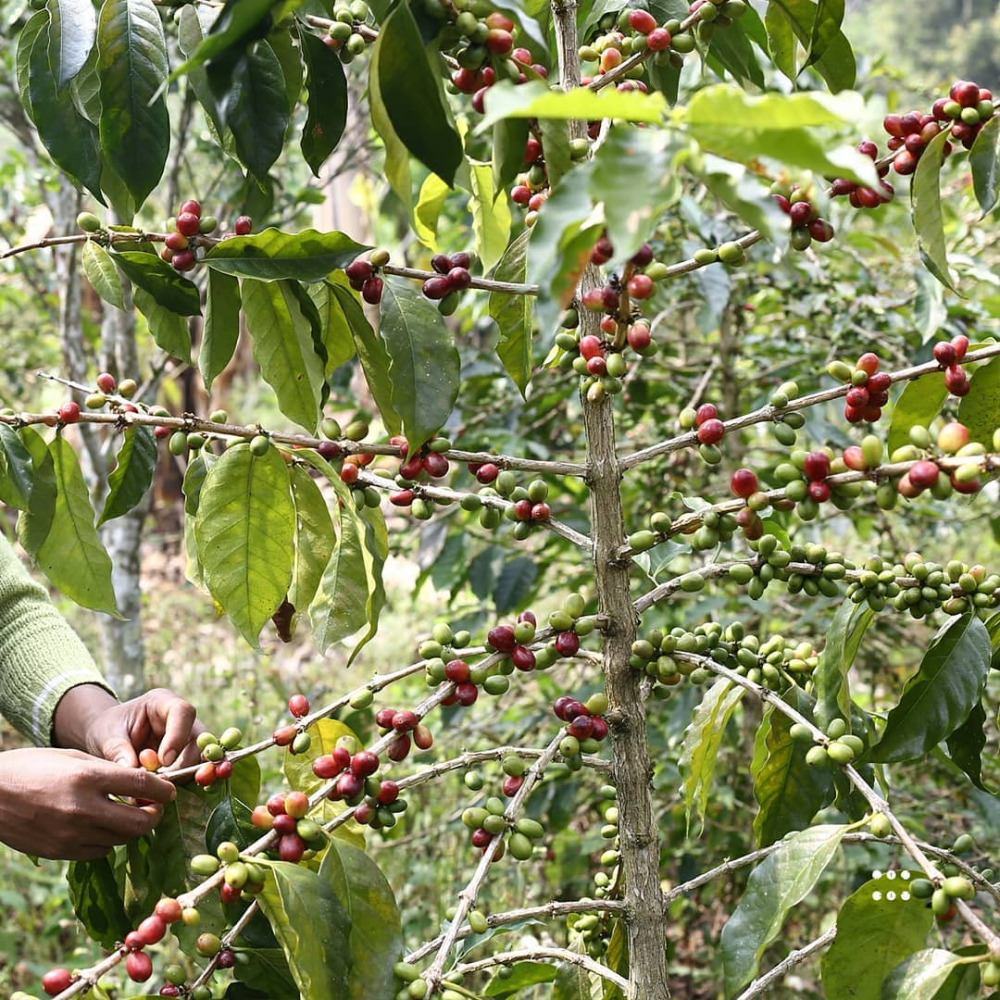
Indian coffee is primarily grown in the southern states of Karnataka, Kerala, and Tamil Nadu, at elevations between 800 and 1,600 meters. The humid, foggy climate is ideal for coffee cultivation. India is not only a major producer of Robusta but also highly regarded for Arabica varieties such as Kent and S795, with the latter accounting for over 70% of India’s Arabica plantings.
India’s most iconic processing method is ‘Monsooned Malabar.’ Originating from the days of sailboat transport, this technique involves prolonged aging of coffee beans in sea breezes and high humidity, causing the beans to turn yellowish-brown, reducing acidity, and developing nutty, grainy, and caramel notes—with almost no noticeable fruit acidity. The result is a rich, full-bodied cup. This method is now replicated to become a hallmark of India’s specialty coffee.
Monsooned Bean Brewing Recommendation: Use a medium-coarse grind, water at 90–92°C, and a 1:15–1:16 coffee-to-water ratio. It works well with French press or pour over, showcasing its bold, tea-like qualities.
Vietnam: A Robusta-Dominated Market and Sweetened Condensed Milk Culture
Vietnam is the world’s largest producer of Robusta, with coffee cultivation concentrated in the central highlands—such as Dalat and Buon Ma Thuot—at elevations of 800 to 1,500 meters. Vietnamese coffee is known for its strong bitter-sweetness and full body, commonly enjoyed in the local drip culture with sweetened condensed milk.
Vietnamese Robusta varieties are highly disease-resistant and typically processed using traditional washed or semi-washed methods. Some high-quality beans are entering the specialty market, appealing to those who enjoy bold flavors and chocolatey notes.
Brewing Recommendation: Use a coarse grind, water at 92–94°C, and brew with a French press or AeroPress to highlight the rich, low-acid profile. It also pairs well with sweetened condensed milk.
Summary: How to Choose and Brew Coffee from Asia’s Three Major Regions?
Indonesian coffee is bold, herbal, and full-bodied—ideal for those who prefer dark roasts and rich flavors. Indian coffee showcases diverse varieties and unique monsooning processes, perfect for adventurers seeking new taste experiences. Vietnam, dominated by Robusta, offers intense flavors suited to sweetened, milky brewing traditions. Understanding the characteristics and processing methods of these regions will help you select and brew your ideal coffee profile.
Whether you’re a pour over beginner or a brewing expert, mastering the knowledge of these Asian coffee regions will take your coffee tasting and exploration to new depths.
The above content is compiled by CoffeeHunters, a coffee news website.


