








Introduction:Want to dive deep into the washed coffee beans from Gedeb Cooperative in Yirgacheffe, Ethiopia? This article takes you step by step through the terroir of the producing region, the background of the cooperative, the washed processing method, roasting, and pour over brewing details—helping you grasp the characteristics of this premium bean with its distinctive citrus and floral notes. Practical brewing tips are also provided to help you easily extract the best flavors.
Yirgacheffe, a renowned coffee-producing region located in the highlands of southern Ethiopia, is world-famous for its unique citrus aroma and fresh floral flavor profile. Within the region, in the town of Gedeb, there is a highly regarded small cooperative—Gedeb Cooperative—that produces washed Yirgacheffe beans. These beans are distinguished by their highly recognizable fruity character, making them a favorite among many coffee enthusiasts.
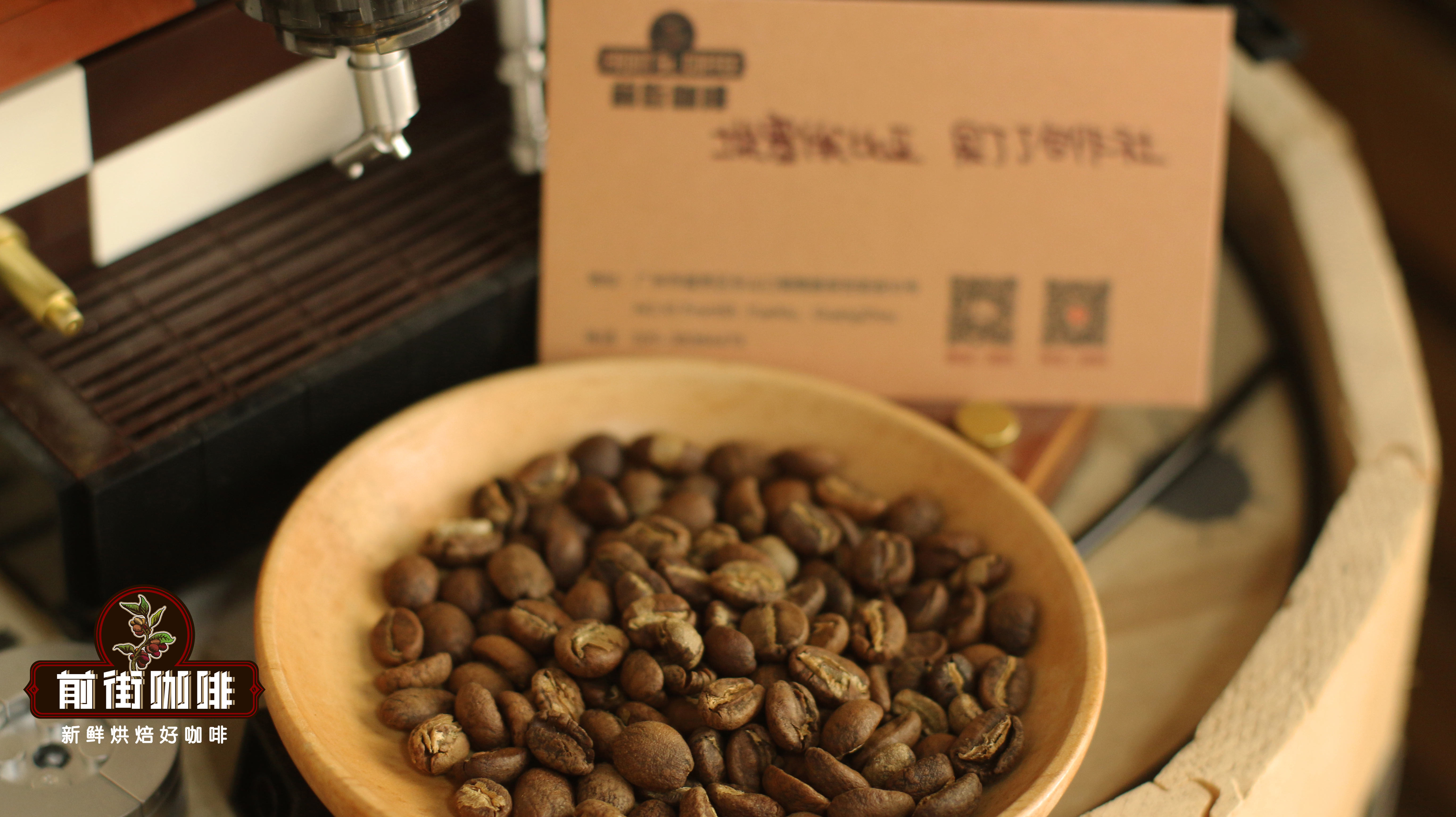
Gedeb Cooperative is situated at an altitude of approximately 2,000 to 2,100 meters above sea level, within the Gedeo Zone of Yirgacheffe. It primarily grows locally unique heirloom coffee varieties. The cooperative employs the washed processing method and has been rated as Grade G1, representing one of the highest quality levels of Ethiopian coffee. By gaining a deeper understanding of its growing environment, processing details, as well as roasting and pour over recommendations, you’ll be better equipped to appreciate the delicate nuances and layered flavors of this coffee.
Yirgacheffe was originally just a small town in the Sidamo region, and its name means “settled in the wetlands” in the local ancient language. The area enjoys a cool, foggy climate and is consistently situated at elevations between 1,700 and 2,100 meters, creating ideal conditions for the slow ripening of coffee cherries. This environment also gives rise to the region’s distinctive combination of citrus, tea, and floral flavors. The "Yirgacheffe flavor" familiar to many coffee lovers often features a pronounced acidity reminiscent of lemon and lime, paired with sweet fruit notes of peach and apricot, along with a soft tea-like finish—delivering an overall profile that is delicate and layered.
Although Yirgacheffe was originally part of the Sidamo region, due to its unique flavor profile and high-altitude geographical advantages, it has ultimately come to be regarded as a distinct specialty coffee sub-region. Gedeb, as one of its important areas, generally sits at altitudes above 1,900 meters, with some villages even exceeding 2,200 meters—resulting in coffee that often exhibits brighter, clearer acidity and a richer aromatic expression.
The precursor to Gedeb Cooperative was originally part of the Wokasso Cooperative under the Yirgacheffe Coffee Farmers Cooperative Union (YCFCU). With the global specialty coffee market placing increasing emphasis on “single village” origins and “traceability,” around 300 local coffee farmers decided to go independent in 2012 and established Gedeb Cooperative. The community not only continues traditional planting and processing techniques but is also located in the Wokasso area in the southeastern part of Yirgacheffe—hailed as the “last pure land” of the region—focusing on traditional processing methods such as washed and natural, thus preserving the most authentic and original flavors of the coffee.
The washed processing procedure at Gedeb Cooperative is quite meticulous. After harvesting, the coffee cherries are typically transported to the processing facility within 6 to 12 hours. First, they are weighed and soaked in water, where the buoyancy principle is used to sort out unripe or overripe defective cherries. Next, a pulper is used to remove the flesh and outer skin, leaving the mucilage-covered coffee beans, which then enter the fermentation stage. Fermentation usually lasts 18 to 36 hours, during which enzymes break down the mucilage layer. After fermentation, the beans are washed multiple times with clean water to remove any remaining mucilage, followed by sorting to eliminate defective beans.
Finally, the clean coffee beans are transferred to drying areas, where they are spread out on waterproof tarps, cement patios, or raised beds. Depending on weather conditions, they are dried for about 5 to 14 days until the moisture content drops from an initial 55% to a stable 11%, ensuring the beans maintain consistent quality during storage and transportation.
In terms of roasting, a light roast is typically used to highlight the fruity and floral notes of the Gedeb washed beans. It is recommended to use a low heat for slow dehydration, starting with a drum temperature of 175°C, a fan setting of 3, and a heat output of 120. Then, adjustments are made gradually based on changes in bean color and aroma—for instance, when the beans turn yellow and the grassy aroma fades (around 166°C), the heat is reduced to 100, then further lowered to 80 (around 176°C), keeping the fan setting unchanged. Once first crack begins (around 9’38”), the fan is adjusted to 5 and the coffee is allowed to develop for about 1 minute and 30 seconds. Finally, it is dropped at 193.5°C to preserve as much flavor detail as possible.
For pour over brewing, since the Gedeb washed beans are medium-light roasted, it is recommended to use a higher water temperature (around 91–93°C) and a fine grind size to fully bring out their bright acidity and delicate fruit aromas. In practice, you can adjust your EK43s grinder to setting 10, or use an 80% sieving rate (20-mesh sieve) as a reference. If no sieve is available, try 15 grams of coffee grounds with a 1:15 coffee-to-water ratio for testing, aiming for an extraction time of about 2 minutes—adjust grind coarseness if the brew time is too fast or too slow.
It is recommended to use a Hario V60 dripper with a staged pouring method: start with a 30-gram bloom for 30 seconds, then pour in a circular motion with a slow stream until reaching 120 grams for the first pour. Once the water level drops, continue pouring to 225 grams, keeping the total brew time around 1’50”. This approach will fully showcase its refreshing citrus and orange acidity, along with berry and honey undertones, while the finish lingers with a lasting green tea-like freshness—delivering an overall bright and captivating cup.
The above content is compiled by CoffeeHunters, a coffee news website.


