








Introduction:Cold brew coffee is a popular summer beverage, beloved for its refreshing and low-acid taste. However, brewing a cup of cold brew with balanced flavor and pronounced aroma is not as simple as just soaking coffee grounds in water. This article delves into the key aspects of making cold brew coffee, including selecting suitable coffee beans, grind size, coffee-to-water ratio, water temperature, and steeping time, while analyzing common mistakes to help you easily make professional-grade iced coffee at home.
With its unique cool taste and clean flavor profile, cold brew has become an essential coffee choice for the summer. Compared to traditional hot brewing methods, cold brew involves steeping coffee grounds in cold water for an extended period, which significantly reduces bitterness and presents a smoother, more layered flavor profile. Although the brewing process may seem straightforward, each step—such as grind size, coffee-to-water ratio, and steeping time—can have a significant impact on the final flavor.
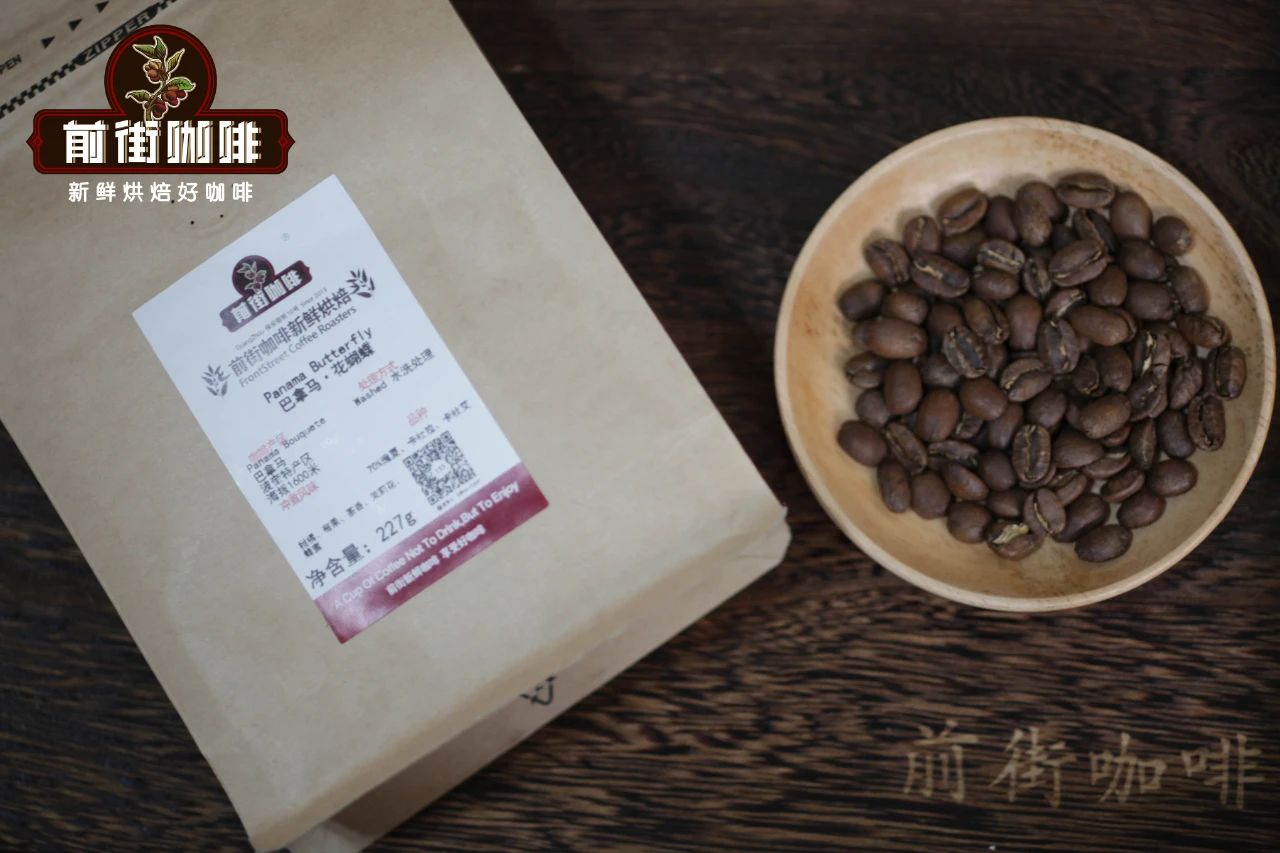
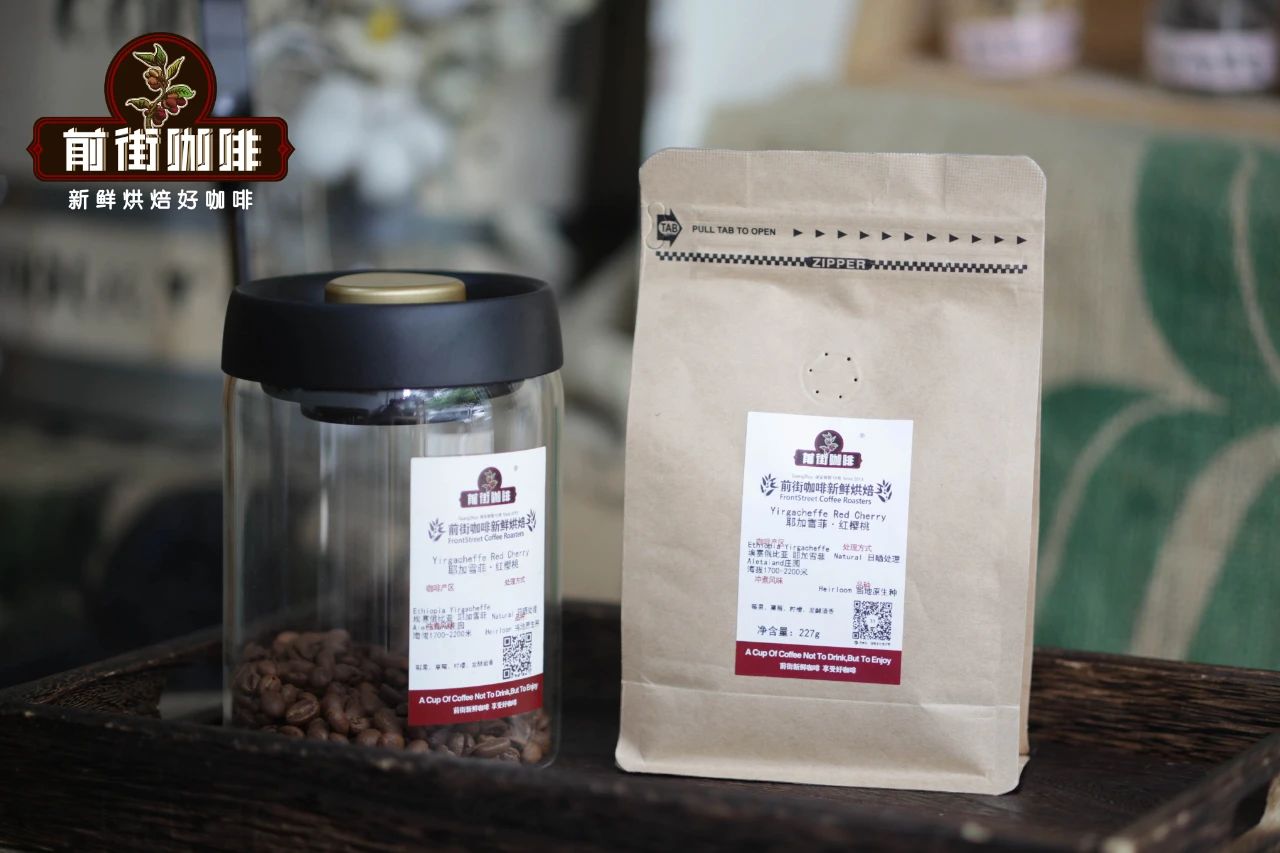
First, when choosing coffee beans, it’s recommended to prioritize medium to light roasts. These beans typically retain more floral and fruity aromas along with bright acidity, complementing the extraction characteristics of cold brew and showcasing a richer flavor spectrum. For example, washed beans with a high proportion of Geisha heritage often exhibit elegant floral notes and citrus tones; whereas Ethiopian beans processed with the natural (sun-dried) method can release intense berry and honey aromas, ideal for drinkers who enjoy complex and varied flavor profiles. Additionally, coffee beans that undergo special anaerobic fermentation processes often bring unique wine-like and grapey notes to cold brew due to their pronounced fermentation characteristics.
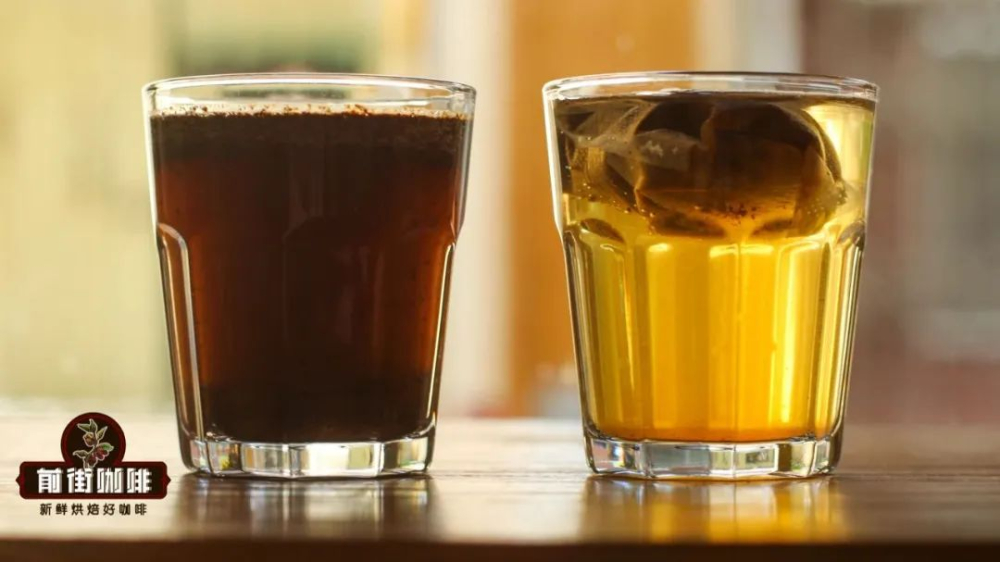
When it comes to grind size, since cold brew is steeped in cold water, the overall extraction efficiency is relatively low. Therefore, there’s no need to use an extra-fine grind as you would for pour over. It’s recommended to aim for a grind size close to 85% passing through a standard #20 sieve—that is, slightly coarser than a medium grind for pour over—but still avoid going too coarse to prevent under-extraction. Practical tests have shown that if the fine particle ratio is too high, it can not only prolong filtration time but also cause suspended oils and particles to appear on the surface of the final product, affecting smoothness. Therefore, it’s advised to sift or choose coffee grounds with fewer fine particles to ensure the coffee liquid is clear and free from impurities.
The coffee-to-water ratio is another crucial factor influencing cold brew flavor. A commonly recommended ratio is a mix of coffee grounds, water, and ice in a 1:8:4 proportion, which translates to an actual coffee-to-water ratio of approximately 1:12. Adding ice not only helps maintain a low water temperature but also stabilizes the extraction environment, preventing over-extraction or uneven extraction caused by fluctuations in room temperature. It’s generally recommended to use a mix of cold water and ice, keeping the extraction temperature between 4–10°C, which helps slow down the extraction rate while preserving more aromatic compounds.
As for water temperature and steeping time, cold brew is usually recommended to be steeped for a long time in a low-temperature environment, primarily in a refrigerator, with a typical duration of around 24 hours. If you prefer to brew at room temperature, then the time should be shortened, ideally within 8–12 hours, to avoid over-extraction and bitter flavors caused by high temperatures accelerating the process. It’s worth noting that too short a steeping time (e.g., less than 8 hours) may result in under-extraction, leading to a weak flavor lacking depth; whereas steeping for over 18 hours can easily lead to noticeable over-extraction, such as increased bitterness or a dull mouthfeel. Based on experimental observations, cold brew steeped for 10–16 hours often achieves the best balance of aroma and smooth body.
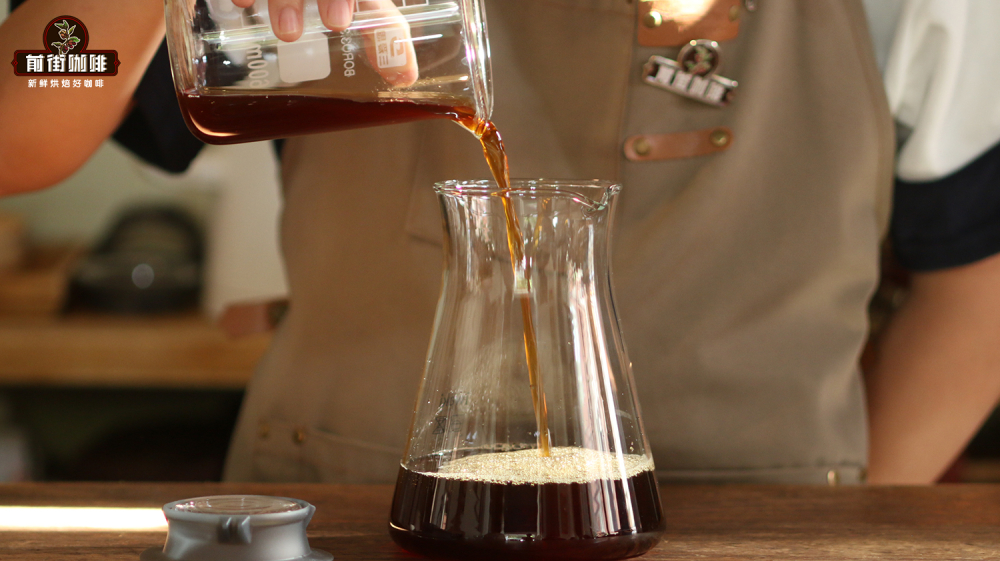
In practical operation, you can follow these steps: using 50 grams of coffee grounds as a baseline, grind them to a size where 85% passes through a #20 sieve, place them in a clean glass container, and add 400 ml of room-temperature water along with 200 grams of ice, bringing the total water volume to 600 ml and maintaining a coffee-to-water ratio of about 1:12. Stir evenly with a stirring stick, tightly seal the container, and refrigerate for 12–24 hours. After steeping, filter out the coffee grounds using filter paper or a cloth, pour the resulting coffee liquid into a sealed container, and let it chill for about 4 hours before enjoying, allowing the flavors to further meld and settle.
The charm of cold brew lies in its great flexibility in preparation—even with slight adjustments to parameters, most attempts will still yield a drink of decent quality. However, many people brewing at home often encounter issues where the flavor doesn’t meet expectations. Common problems include insufficient steeping time, resulting in underdeveloped aroma and sweetness; or overly long steeping, causing bitterness and off-flavors to emerge. Additionally, improper fine particle control and incomplete filtration can also affect the final mouthfeel. It’s recommended that brewers adjust based on the above parameters and pay attention to details at each step—such as the ice-to-water ratio, stirring evenness, and filtration method—to improve the overall quality of your cold brew.
In summary, although cold brew is simple to make, achieving a result that is clear, aromatic, and well-balanced in flavor still requires mastering key elements such as grind size, coffee-to-water ratio, water temperature control, and steeping time. With just a bit of attention to these factors, even beginners can easily enjoy café-quality iced coffee at home and embrace every refreshing summer moment.
The above content is compiled by CoffeeHunters, a coffee news website.


