







Introduction:Mandheling coffee is renowned for its full-bodied flavor and unique herbal aroma, making it one of Indonesia’s most iconic specialty coffees. This article delves into the major producing regions of Mandheling, explores the origins of Golden Mandheling and the history of the PWN company, and discusses how Sumatra’s distinctive wet-hulling processing method influences its flavor profile. Additionally, practical pour over recommendations and brewing parameters are provided to help coffee enthusiasts fully appreciate the charm of this classic single-origin bean — from bean selection to brewing.
Mandheling coffee is not only a representative of Indonesian coffee but has also become a classic in the hearts of many coffee lovers due to its rich body, low acidity, and deep herbal notes. This Arabica coffee from Sumatra boasts a bold flavor with unique herbal and woody undertones, earning widespread global acclaim. In recent years, female consumers have shown significantly increased acceptance of Mandheling, breaking the previously male-dominated stereotype.
Mandheling originally comes from the northern part of Sumatra, particularly around the Bukit Barisan mountain range, especially the regions of Lintong and Mandheling. The Lintong region is located southwest of Lake Toba, at higher altitudes with rugged terrain and clay-rich soil abundant in fern vegetation. Most of the coffee here is grown by smallholders without the use of chemicals or shade trees, resulting in an exceptionally natural flavor profile. The term “Mandheling” broadly refers to coffee produced in this area and neighboring regions such as Diari and the northern part of Lake Toba, where conditions are similar.
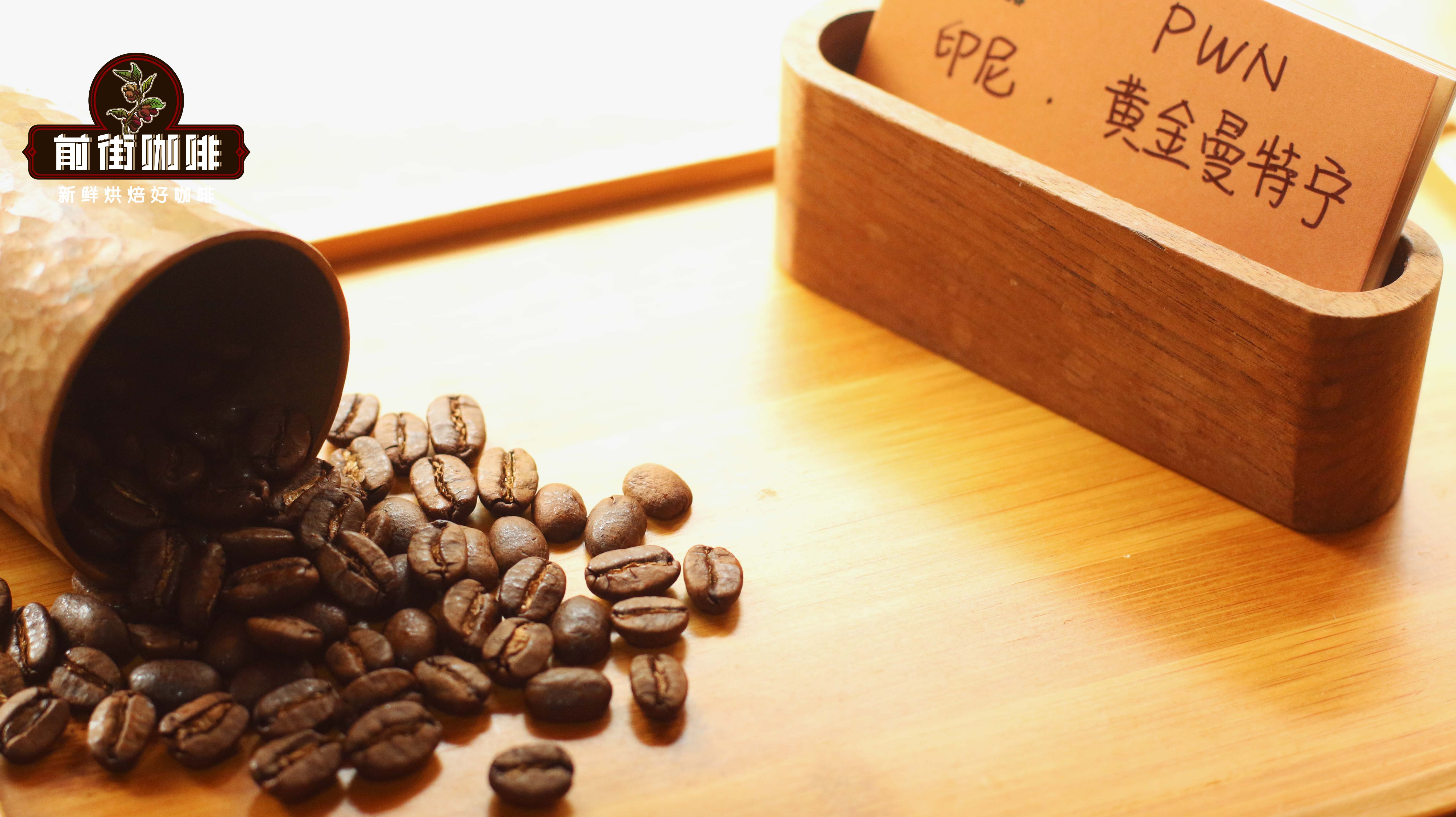
Among the many Sumatran producing regions, the Gayo highlands are considered one of the current top sources of quality. Located in Aceh Province in northern Sumatra, this area sits at elevations of approximately 1,500 to 2,500 meters, with a cool climate, abundant rainfall, and water supply from Lake Tawar. The local Gayo indigenous people have long practiced organic farming, leading to coffee from this region often being referred to as “green coffee” or “Gayo organic coffee.” A well-known shop’s promoted Golden Mandheling originates from this area and is celebrated for its high cleanliness and balanced, full-bodied taste.
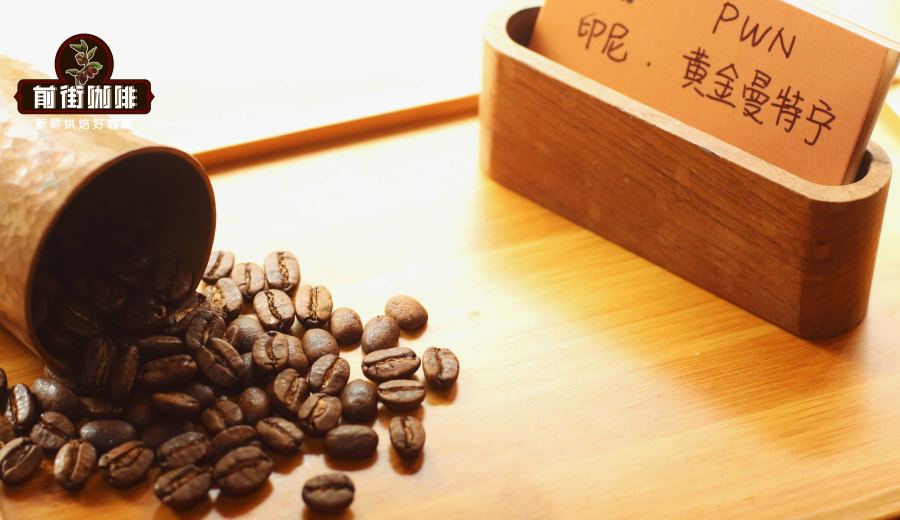
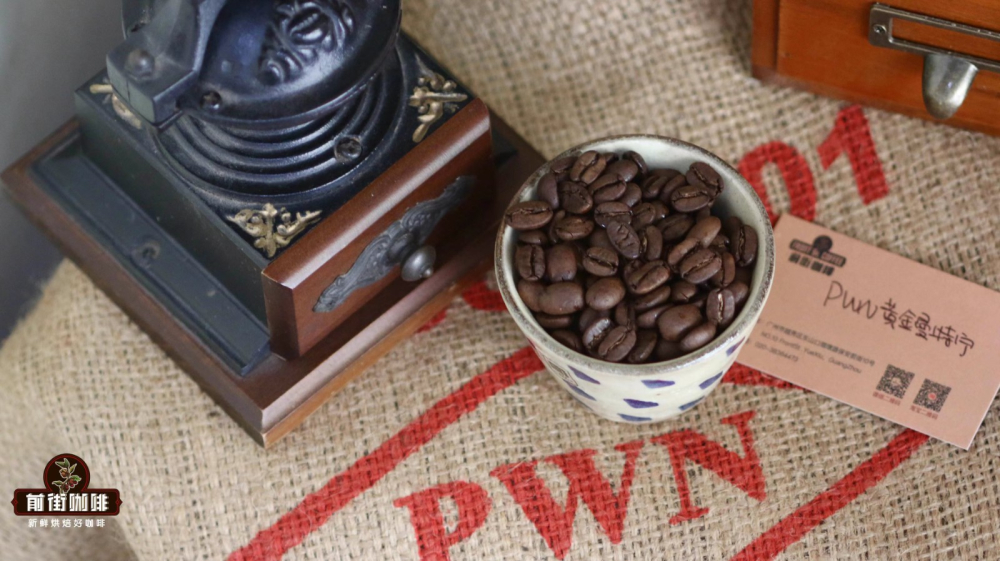
When talking about Golden Mandheling, one must mention its driving force behind the scenes — PT Perkebunan Nusantara WIlayah VIII (PWN). Established in 1957, PWN was the first Indonesian company to successfully export North Sumatran coffee to countries such as Japan and played a crucial role in bringing the name “Mandheling” to the international market. Golden Mandheling is not a coffee bean grade but rather a trademark registered by PWN, representing strictly selected high-quality G1 grade green beans. These beans are uniformly plump and large, with a size of 19 mesh or above, undergoing multiple hand-sorting processes with an extremely low defect rate — no more than three defects per 300-gram sample.
It’s important to note that many products on the market that claim to be “Golden Mandheling” are not actually from PWN and can only be considered regular specialty Mandheling. Authentic PWN-certified Golden Mandheling will display its exclusive logo on both the coffee bag and the certificate, so buyers should pay special attention when making a purchase.

Indonesia’s coffee grading system is primarily based on defect rates and the number of hand-sorting passes, divided into five grades from G1 to G5, with G1 being the highest. Sumatran coffee is further subdivided into multiple systems, including Mandheling, Golden Mandheling, Lake Toba coffee, and aged Mandheling. The Lintong Mandheling and Golden Mandheling offered by a well-known shop are both highly representative items from the region.
Common coffee varieties used in Mandheling include Ateng and TimTim. The former is another name for Catimor, while the latter is a Timor variety with Robusta lineage. Since these varieties contain Robusta genes and are mostly grown at medium to low altitudes, they struggle to develop complex acidic and aromatic compounds. As a result, Mandheling often exhibits strong herbal, spicy, and woody notes, which have become its distinctive flavor characteristics.
Sumatra’s wet-hulling process is a key factor in shaping the unique personality of Mandheling. This method was developed in response to the region’s hot, humid, and rainy climate, as well as economic and technical constraints. The process involves removing the outer skin and pulp of the harvested coffee cherry, followed by a short fermentation period to reduce moisture content to 30–50%. The mucilage and part of the parchment are then removed, and the beans are dried further until their moisture level reaches 12–13%. Since the beans are semi-dry during processing, removing the parchment layer can easily cause physical damage and produce scars, necessitating strict hand-sorting to ensure quality.
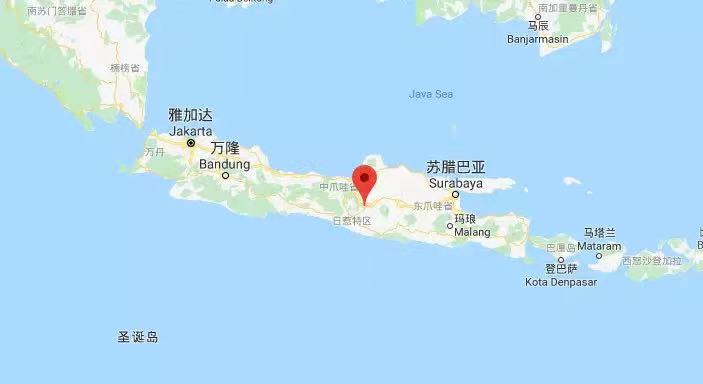
When brewing Mandheling, it is recommended to use freshly roasted beans to fully bring out its rich aroma and layered flavors. Generally, beans roasted within five days perform best, with optimal flavor typically peaking after 4 to 7 days of resting. If purchasing pre-ground coffee, while it can be used immediately, note that its flavor dissipates more quickly, so it’s best consumed as soon as possible.
For Mandheling’s characteristics, the Kono filter cone is recommended for pour over. The Kono’s rib design and low airflow structure prolong the contact time between water and coffee grounds, enhancing extraction and highlighting its full-bodied taste. Suggested parameters are as follows: water temperature around 88°C, 15 grams of coffee, a 1:15 coffee-to-water ratio, and a medium-fine grind (approximately 75% passing through a #20 sieve). The process involves a 30-second bloom with 30 grams of water, followed by segmented pouring to 125 grams and then 225 grams, with total brew time controlled to around 2 minutes. Stir before pouring into the cup for tasting.
[PWN Golden Mandheling Flavor Description]: Complex layers, full-bodied yet clean, with intense notes of nuts, caramel, and chocolate, and a long, well-balanced finish.
[Lintong Mandheling Flavor Description]: Prominent herbal and dark chocolate aromas, accompanied by caramel sweetness and a pleasant aftertaste.
Whether as a daily drinker or for advanced tasting, Mandheling offers a wide range of options. For those who prefer milder or fruitier, brighter acidity profiles, exploring single-origin beans from other regions such as Ethiopia, Colombia, or Costa Rica can also provide a diverse experience shaped by each area’s unique terroir.
The above content is compiled by CoffeeHunters, a coffee news website.


