







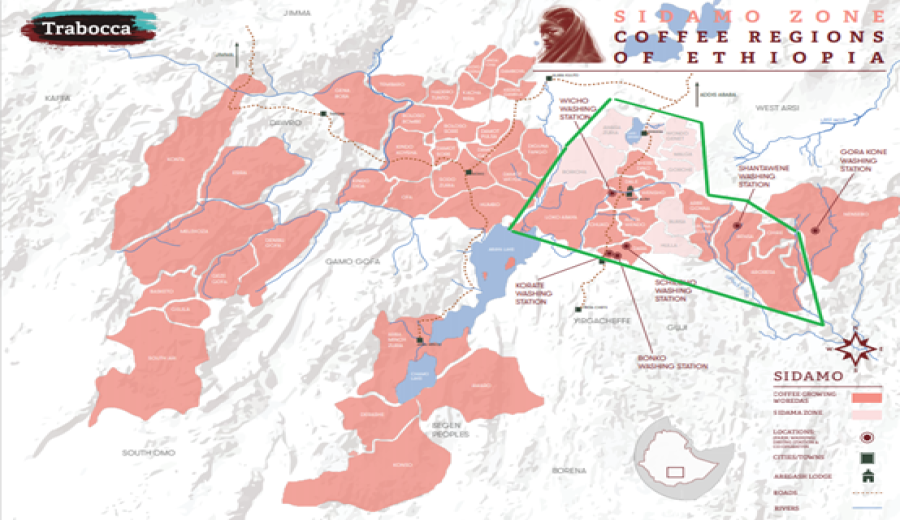
Introduction:Sidamo is one of Ethiopia’s most representative specialty coffee regions, globally renowned for its bright acidity, rich fruitiness, and distinctive flavor profiles. This article delves into Sidamo’s geographical environment, micro-regions such as Guji and Hambella, explores the origin and naming rationale of the famous "Huakui" coffee, analyzes the cultivation characteristics and processing methods of the Yirgacheffe region’s Alsie area, and provides expert pour-over parameters for sundried beans along with actual flavor profiles. It’s a comprehensive guide not to be missed by both beginner and advanced readers eager to deeply understand this region.
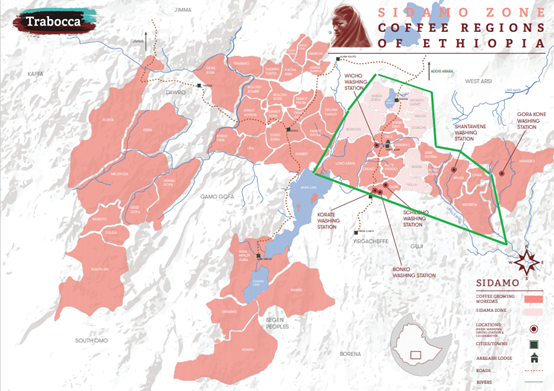
Sidamo (Sidamo) is a major specialty coffee-producing region in southern Ethiopia, situated in the highland plains of the East African Rift Valley, blessed with naturally superior climatic and geographical conditions. The coffee farms here are mostly located at altitudes between 1,500 and 2,300 meters, with significant day-night temperature variations, abundant rainfall, and fertile soils, nurturing coffee beans with rich flavor layers, bright acidity, and distinct floral and citrus notes. Approximately 60% of the local coffee is processed using the washed method, which not only preserves clean flavors but also highlights fruity notes and a rich mouthfeel—making it a prized choice for many coffee enthusiasts.
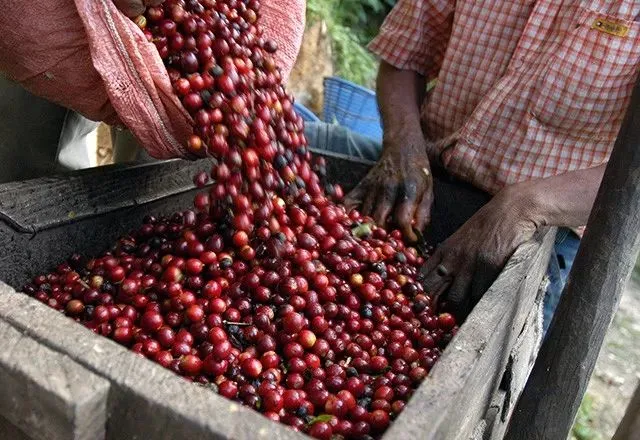
Ethiopia is one of the few countries in the world where nearly all coffee is organically grown. Local farmers continue generational farming practices, avoiding chemical pesticides and herbicides, and nourishing the soil with organic compost made from fallen leaves, animal manure, and agricultural waste. The main harvesting season runs from September to December, with the export peak occurring from November to December. This blend of tradition and nature has earned Ethiopian coffee the reputation of being the “world’s cleanest and greenest coffee.”
Ethiopia can be divided into eight major coffee-producing regions, including Lekempti, Limu, Illubabor, Djimmah, Harar, Bebeka, Sidamo, and Yirgacheffe. Among them, Sidamo, with its diverse microclimates and terrains, serves as a cradle for cultivating a variety of unique-flavored coffees.
Sidamo · Guji Region: The Rise of Hidden-Flavor Coffee
Guji was originally part of the Sidamo province, but due to its remote location, its development was slow in the early stages. It wasn’t until recent years that its exceptional coffee flavors stood out, leading to its official designation as an independent region. Guji sits at elevations above 1,800 meters, boasting fertile black soil and significant day-night temperature differences, which endow the coffee with rich aromas and a full-bodied mouthfeel.
Administratively, Guji belongs to the Oromia Region → Guji Zone. Here, coffee is primarily produced by smallholder farmers and managed and sold collectively through cooperatives. For example, the Shilcho Coop in the Dara Woreda area of Sidamo Province is a member of the Sidamo Coffee Farmers Cooperative Union (SCFCU), which has 46 member organizations and ranks second in size nationwide, ensuring quality control from production to export.
Hambella Region: The Birthplace of Huakui Coffee
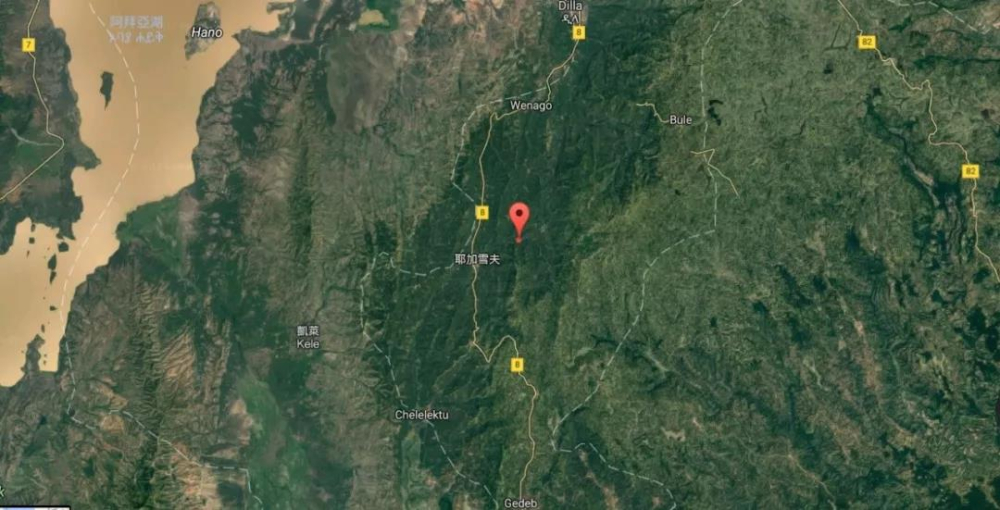
Hambella is a small area within the Guji region, located in Hambella Kebele under Shakisso Woreda, at an altitude of up to 2,200 meters. When Hambella is mentioned, many immediately think of the globally renowned "Huakui" coffee. This coffee comes from the Buku processing plant, located in Buku Abel village, which not only benefits from an exceptionally favorable growing environment but also owes its high quality to careful cultivation by farmers—including planting shade trees around coffee trees to effectively balance sunlight exposure and nutrient absorption, thereby enhancing the quality of the coffee cherries.
The explosive popularity of Huakui coffee began in 2017, when the sundried batch from Buku Abel, selected by Ethiopia’s DW Company, won the championship at the TOH (Ethiopia National Taste of Harvest) competition with its intense strawberry and cream aromas. In the same year, during China’s World Brewers Cup, "Huakui" defeated numerous competitors, including Geisha, securing second place nationally and becoming widely celebrated ever since.
It’s important to note that, strictly speaking, "Huakui" refers only to the sundried coffee produced by the Buku Abel processing plant. The series is named by year—for example, 2018 was "Huakui 2.0," 2019 was "Huakui 3.0," and so on, with the latest 2024 batch being "Huakui 8.0."
Alsie Region: The Coffee Homeland of the Oromo People
Alsie (West Arsi), also called West Alsie, is located in western Sidamo, at altitudes between 1,900 and 2,200 meters, forming an important coffee-growing belt connecting Yirgacheffe and Hararghe. The region is predominantly inhabited by the Oromo people (Oromo), who account for as much as 88.52% of the population and are considered among the earliest ethnic groups to have begun drinking coffee, exerting a profound influence on global coffee culture.
Coffee in Alsie is mostly grown by smallholders, with an average farm size of about 2 to 3 hectares—slightly larger than the common 1.5 to 2 hectares in Ethiopia—but still relying mainly on family labor without external help. This hands-on approach to cultivation and harvesting leads to more stable coffee quality, and processing stations often reward farmers with pure red cherries, further motivating them to improve their farming techniques.
Sundried Processing: The Soul of Sidamo Coffee
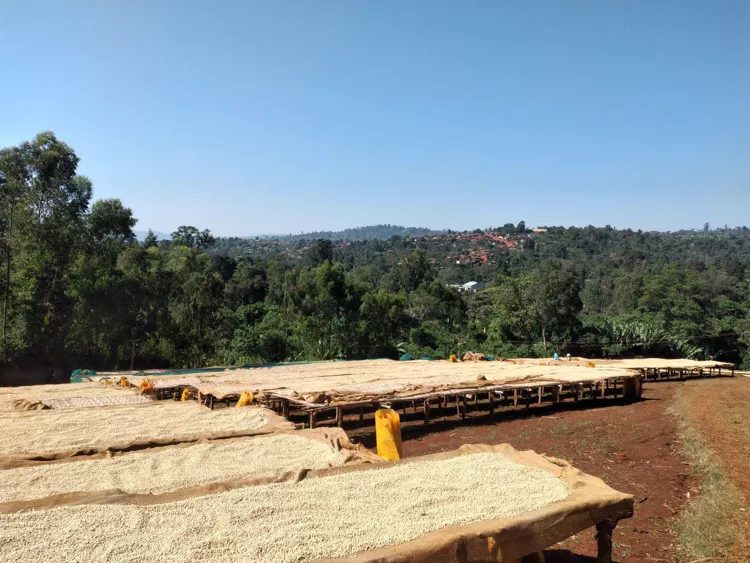
In Sidamo, sundried processing is the most common post-harvest method. Taking the Buku processing plant as an example, during the harvest season from December to January each year, only fully red-ripe coffee cherries are selected, ensuring a sugar content of 30 or above, which are then placed on African beds for approximately 18 days of sun drying. Throughout the process, farmers adjust shading and covering measures according to weather changes to avoid over-fermentation or rain damage, while frequently turning the coffee cherries to ensure even drying. The moisture content of the green beans is eventually reduced to 13% before packaging.
Practical tests indicate that sundried processing imparts richer sweetness, fruitiness, and fermentation complexity to the coffee. In contrast, washed processing highlights cleaner citrus acidity and refreshing floral notes, making it suitable for those who prefer a clean and bright cup. Both methods have their unique merits and can be chosen based on personal taste preferences.
Heirloom Varieties and Variety Misconceptions
Ethiopia is hailed as the genetic treasure trove of Arabica coffee, home to thousands of wild and traditional varieties. Due to an incomplete classification system, most coffee beans are collectively referred to as “Heirloom (原生种).” These heirloom varieties may vary in size and shape, but they often exhibit highly distinctive floral and fruity profiles, serving as a key source of the flavor diversity found in Sidamo coffee.
Professional Pour-Over Parameters and Flavor Profiles
For Sidamo’s light-roasted sundried beans, it is recommended to use a V60 filter, with water temperature controlled at 90°C, a water-to-coffee ratio of 1:15, a coffee dose of about 15 grams, and a grind size standard of 80% passing through a Chinese No. 20 sieve. Specifically, start with a 30-second bloom using double the coffee dose (about 30 grams) of water to aid degassing, then pour in a small, circular motion up to 125 grams before the first break, followed by pouring up to 225 grams, with a total extraction time of about 2 minutes. These parameters fully showcase the coffee’s aroma and layered complexity.
In actual tasting, the sundried Alsie coffee exhibits intense berry, honey, and jam flavors, with particularly noticeable sweetness and pectin texture when hot, shifting to a nectarine and plum-like juicy mouthfeel when cooled; whereas Huakui 8.0 is dominated by berry, passion fruit, strawberry, and oolong tea notes, with a more exuberant fermented sweetness, delivering an immersive experience of bold tropical fruits. Both beans have their unique strengths, suitable for coffee enthusiasts with varying flavor preferences to explore in depth.
The above content is compiled by CoffeeHunters, a coffee news website.


