








Introduction:Yirgacheffe is world-renowned for its delicate floral notes and bright acidity, making it a top choice for many coffee enthusiasts just starting out. This article delves into the characteristics of Yirgacheffe’s washed and natural processing methods, includes practical cupping comparisons, and provides key V60 pour over parameters such as grind size, water temperature, and brew ratio to help you adjust extraction strategies based on different processing flavors—mastering the full brewing essentials of this classic origin.
When it comes to single-origin coffees with a refreshing taste and bright acidity, many people immediately think of Ethiopia’s Yirgacheffe. This high-altitude producing region not only nurtures numerous well-known micro-regions but also creates highly distinctive flavor profiles through its classic washed and natural processing methods. What exactly are the differences between the two? And how can you use pour over techniques to bring out their most captivating layers? The following will guide you through the region’s background, processing methods, and actual brewing parameters to give you a comprehensive understanding.
Yirgacheffe was originally part of the Sidamo region but became an independent zone due to its distinct flavor characteristics. Located at an altitude of about 1,700 to 2,100 meters on a plateau, the area enjoys a cool and foggy climate. Coupled with its unique terrain and traditional cultivation practices, it has laid the foundation for the coffee’s fine and bright basic traits. The region includes well-known micro-regions such as Kochere, Guji, and Gedeb, where each corner’s coffee beans may offer a different delightful flavor surprise.
The region consists of many small family cooperatives, one of which is the Banko Gotiti cooperative. This community is located in the southeastern part of the Wolloka zone and has around 300 farmer members. It has long employed traditional washed and natural processing methods and is hailed as a pristine land that preserves the original flavors of Yirgacheffe. Another bean often compared is the Red Cherry, which comes from the Aletaland cooperative and showcases the rich fruity aroma and sweetness of natural processing.
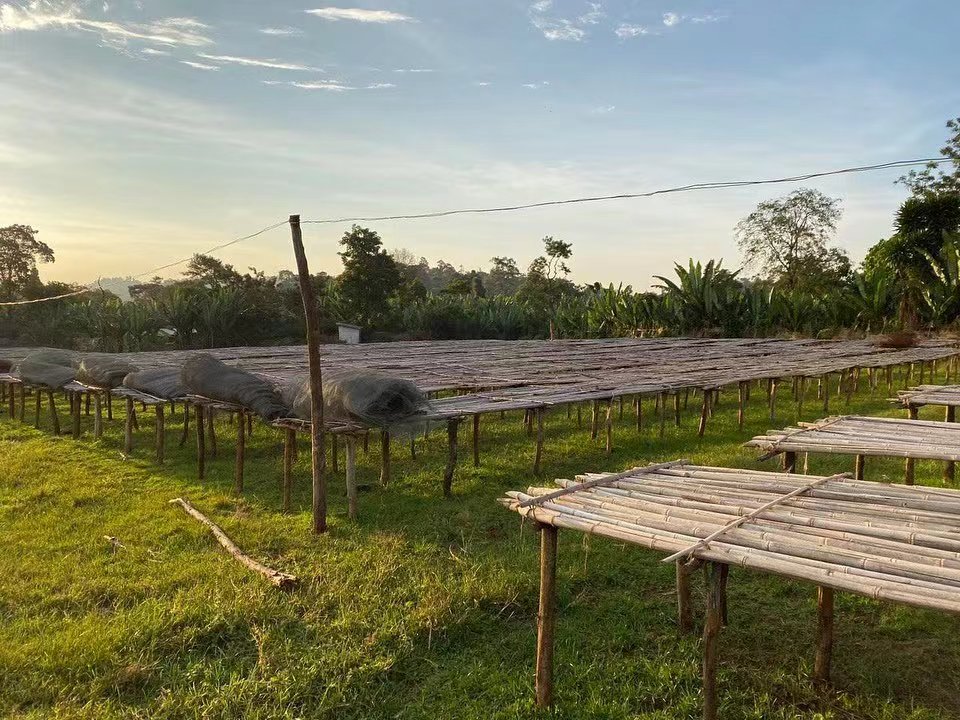
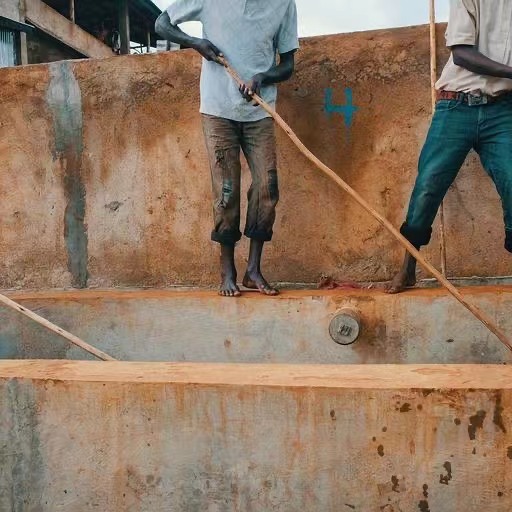
Washed processing is one of Yirgacheffe’s classic methods. The process includes: first mechanically removing the skin and pulp, then placing the beans with mucilage into fermentation tanks for 18 to 36 hours to break down the pulp (the time adjusted according to ambient temperature and humidity), followed by washing in a water channel for 30 to 60 minutes to remove light impurities using water flow. Finally, the high-quality parchment beans are dried on African beds for about 14 days, then sent to a dry mill to remove the husk and silver skin, and undergo multiple screenings before export. This method highlights clean, bright acidity and delicate floral notes.
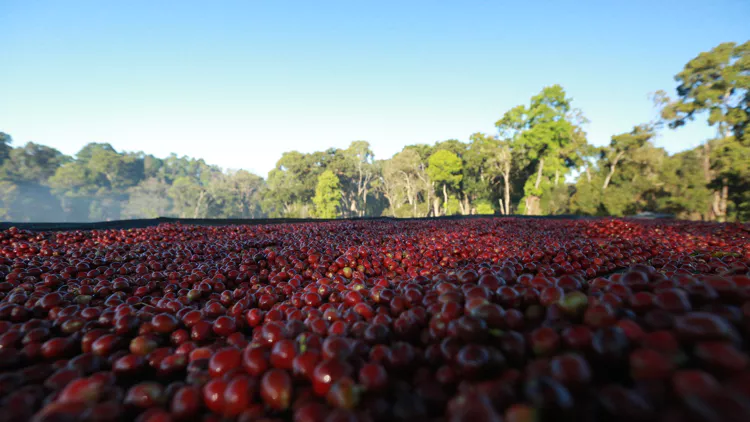
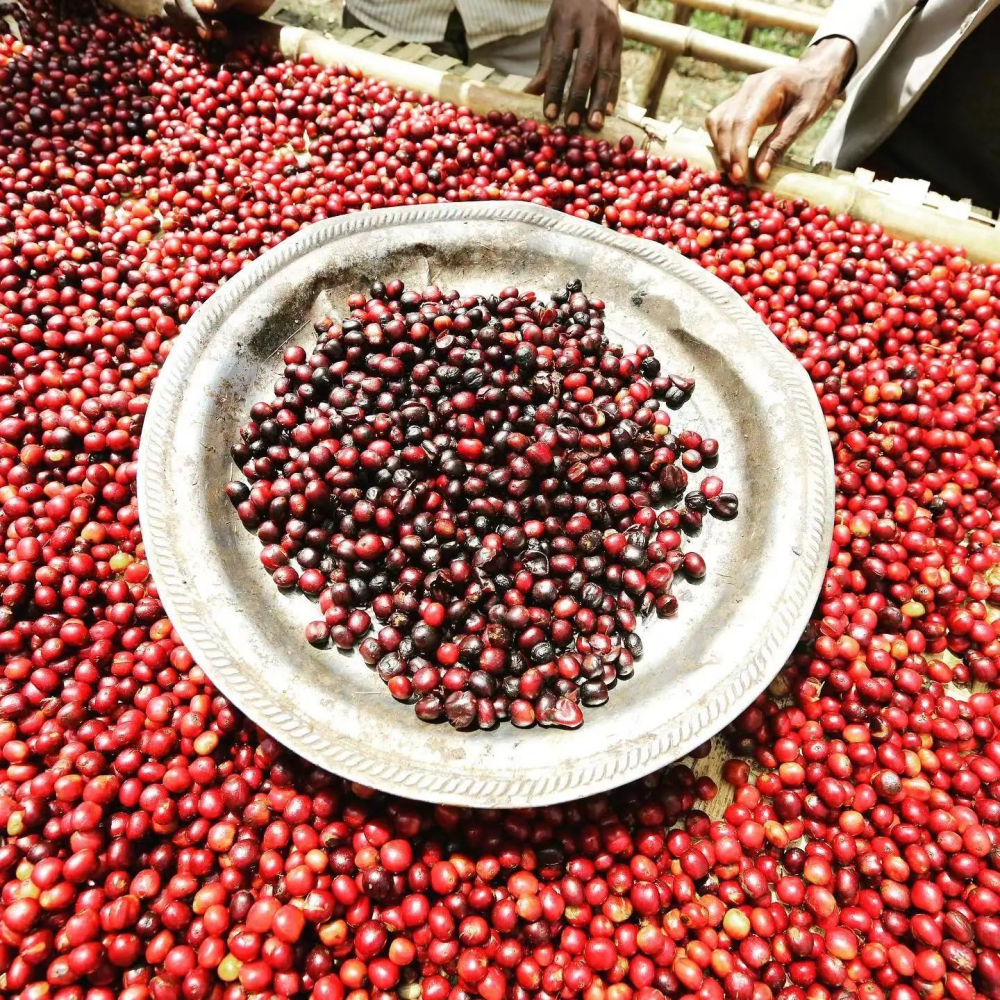
In contrast, natural processing is a more traditional method. The harvested coffee cherries are manually sorted and then placed on concrete patios or raised African beds for 3 to 4 weeks of drying until the moisture content drops to 11%, with the outer skin turning deep red-black. The process requires frequent turning to ensure even heat exposure and to avoid the influence of rain or humidity. The dried cherries are stored with their parchment layer and only have the outer layers removed before export. This method often results in a richer fruit pulp sensation, sweetness, and a fuller body.
In actual tasting, washed Yirgacheffe typically exhibits clear citrus and berry notes, with lively acidity and a tea-like aftertaste; the natural version offers a rounder mouthfeel, blending berry, honey, and black tea aromas, with prominent sweetness. To fully bring out these characteristics, adjusting your pour over parameters is essential.
For washed beans, it is recommended to use a medium-fine grind (such as passing about 78% through a 20-mesh sieve in China), paired with a V60 filter cone. The spiral grooves of the V60 promote gas release and enhance the expression of acidic and aromatic qualities. The recommended brew ratio is 1:16, with water temperature optionally set at 90–91°C (to emphasize a fresh tea-like feel) or 92–93°C (to boost body and acidity richness). A three-stage pouring method is advised, as segmented extraction helps balance various flavor compounds. Be aware that too coarse a grind may lead to under-extraction, while too fine may result in over-extraction and bitterness.
For natural beans, a medium-fine grind (with about 80% passing through a 20-mesh sieve) and a V60 filter cone are also suitable. The cone’s 60-degree angle design extends the contact time between water and coffee grounds, helping to fully extract sweet fruity acids and a rich mouthfeel. A brew ratio of 1:15 is suggested, with water temperature controlled at 91–92°C to enhance sweetness and juiciness. Using a center pour technique allows the hot water to evenly penetrate the coffee bed, aiding in the stable release of full-bodied flavors.
In summary, whether washed or natural, Yirgacheffe possesses distinctive regional characteristics and processing personalities. Mastering the correct grind size, water temperature, brew ratio, and pouring method allows for a more accurate presentation of its unique acidity-sweetness layers and aromatic profile. Whether you’re just starting out or aiming to refine your skills, understanding these differences and techniques will give you greater confidence when brewing this classic coffee.
The above content is compiled by CoffeeHunters, a coffee news website.


