







Introduction:Drip bags, with their ease of use and consistent flavor, have become a daily choice for many coffee enthusiasts. This article delves into the structural design and extraction principles of drip bags, explores the impact of pre-ground coffee on aroma preservation and shelf life, and reminds readers to pay attention to roast dates. It also highlights five high-value seasonal Arabica blends—from sun-dried Hua Kui to Brazilian Red Bourbon—analyzing each one’s processing method and brewing flavor profile to help you find the most suitable drip bag based on your taste preferences.
Thanks to their convenience, drip bags allow you to enjoy a pure black coffee at home with just a cup and hot water. This brewing method has gained widespread popularity in recent years, yet many consumers still have only a vague understanding of how its flavors are formed. What exactly determines the unique taste of drip coffee? How does it differ from traditional pour over? This article will start with the basic structure and extraction principles of drip bags, helping you understand how pre-ground coffee affects aroma expression and shelf life, and providing key reference points for selection.
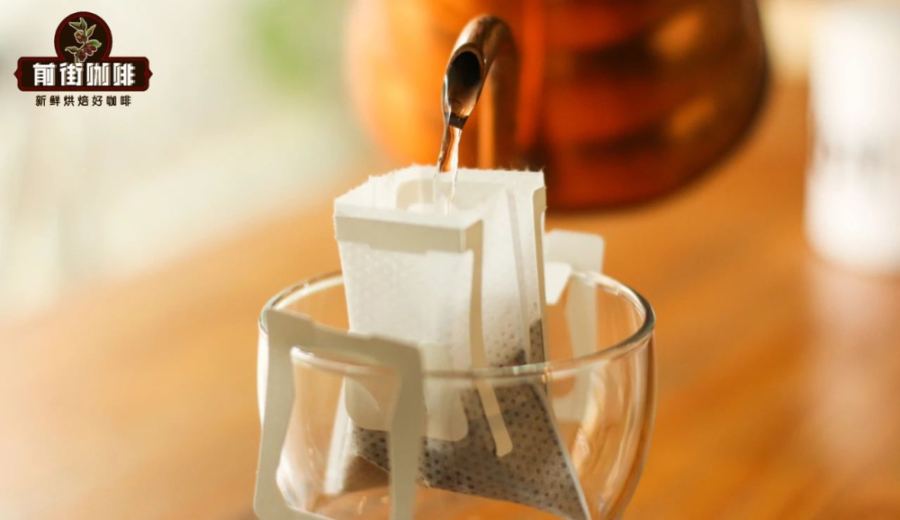
The production process of drip bags begins with precise weighing and proper grinding, followed by filling the finely ground coffee into specially designed filter bags equipped with convenient "ears" on both sides for easy hanging. When brewing, users simply need their preferred cup and appropriately hot water to complete the extraction in no time, enjoying a clear-flavored black coffee.
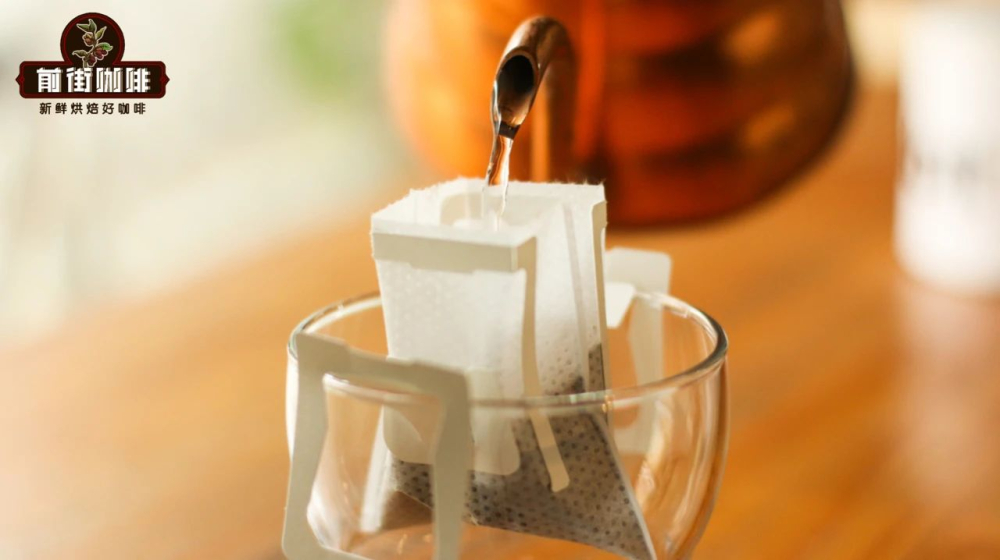
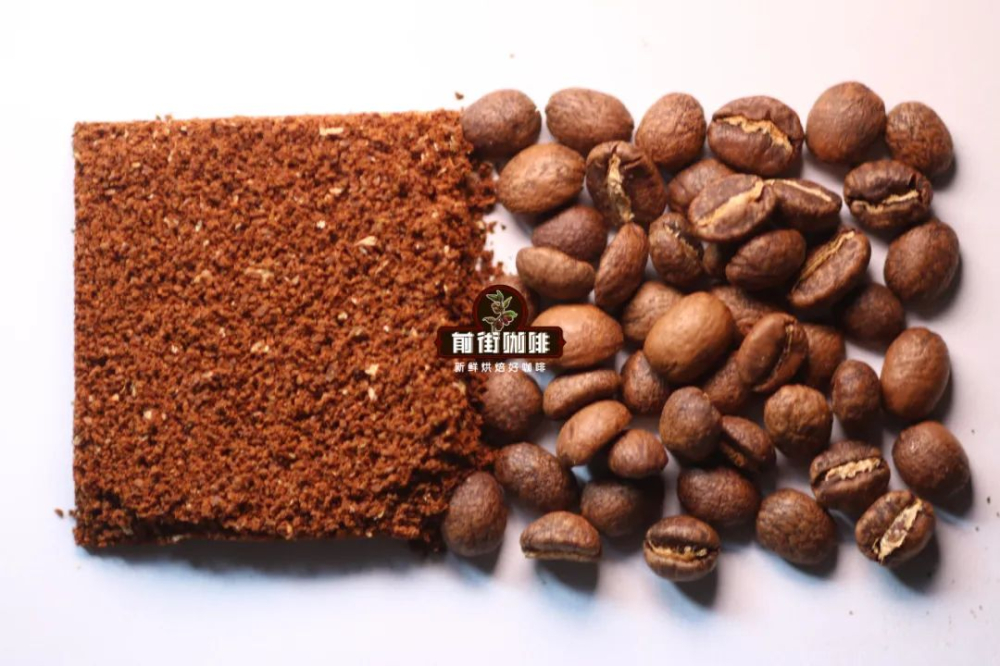
Although both drip bags and pour over emphasize the decisive role of a coffee bean’s origin and processing method on its flavor, there are significant differences between the two. The primary distinction lies in the fact that the coffee inside drip bags is pre-ground. While this enhances convenience, it also accelerates the evaporation of aroma. Once coffee beans are ground, their total surface area exposed to air increases drastically, causing volatile aromatic compounds and carbon dioxide to dissipate quickly, thereby shortening the optimal shelf life.
Practical tests have shown that coffee brewed from pre-ground coffee exhibits noticeably less layered aroma compared to freshly ground coffee, and its flavor deteriorates more rapidly over time. If stored improperly, the coffee may develop woody or cardboard-like stale notes. It is generally recommended to consume drip coffee within three weeks after roasting to achieve the best flavor. Notably, some brands emphasize fresh roasting, immediate grinding, and fast shipping to help preserve the coffee’s freshness.
Below are five highly acclaimed seasonal Arabica drip bag blends currently popular on the market, each featuring a unique processing method and flavor profile to satisfy diverse consumer palates.
1. [Brand]. Sun-Dried G1 Hua Kui Drip Bag Coffee
Processing Method:Traditional Sun-Drying
Flavor Profile:These coffee beans undergo a 21-day elevated-bed sun-drying process, during which they are frequently turned and defective beans are sorted out to ensure even drying. After hulling, they go through a secondary screening, ultimately presenting tropical fruit-forward flavors. When brewed, they emit intense floral aromas accompanied by complex notes of mango, jackfruit, citrus, and honey, with rich and distinct layers.
2. [Brand]. Yirgacheffe Guo Ding Ding Drip Bag Coffee
Brewing Flavor:The overall mouthfeel is full-bodied, with particularly prominent fermentation aromas and tropical fruit tones. As the temperature drops, berry and cream flavors gradually emerge, with a lingering citrusy acidity that leaves a memorable aftertaste.
3. [Brand]. Indonesian Mandheling G1 Drip Bag Coffee
Brewing Flavor:It features a distinct herbal base tone, with clear interweaving of caramel, nut, and dark chocolate sweetness. The acidity is low but the sweetness is rich. The overall flavor is bold and carries a unique spicy character, delivering a wild and deep-mouthed taste profile.
4. [Brand]. Yunnan Small Bean Drip Bag Coffee
Brewing Flavor:As one of the representatives of domestic specialty coffee, this blend uses medium roasting to present a soft and smooth profile. Its main flavors include nuts, herbs, chocolate, and caramel, with a faint fruity acidity in the aftertaste, achieving excellent balance.
5. [Brand]. Brazilian Cerrado Red Bourbon Drip Bag Coffee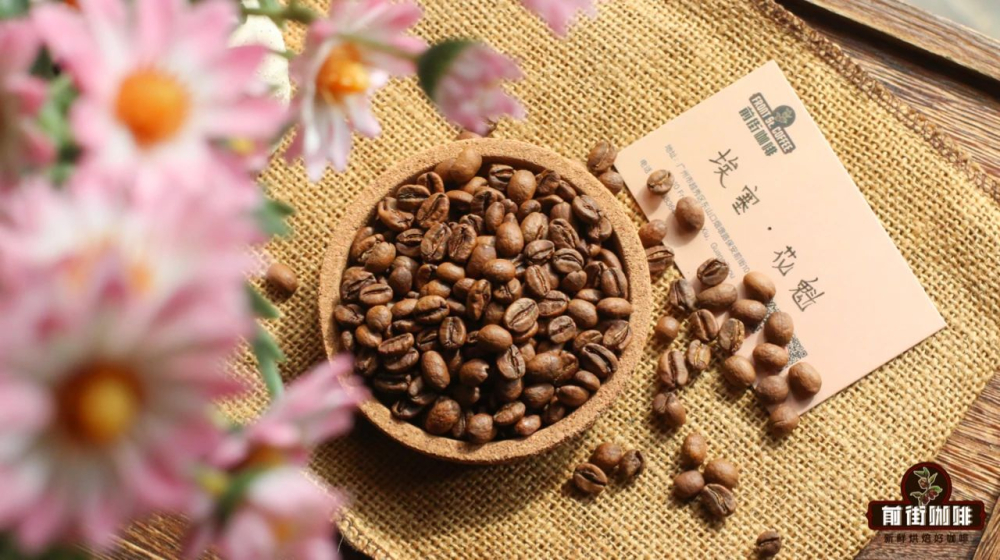 Brewing Flavor:Designed for consumers who prefer less intense acidity or bitterness, this blend uses medium roasting. When brewed, it showcases rich nutty aromas, with a mild mouthfeel and no bitterness or astringency. The acidity is low and flat, making it ideal for those seeking a balanced taste.
In summary, when choosing drip coffee, in addition to paying attention to the brand and packaging design, it’s more important to consider the roast date and processing method of the coffee beans, as these factors directly influence the final flavor. By understanding the unique flavor characteristics of each drip bag, you can select the one that best matches your personal taste.
The above content is compiled by CoffeeHunters, a coffee news website.


