







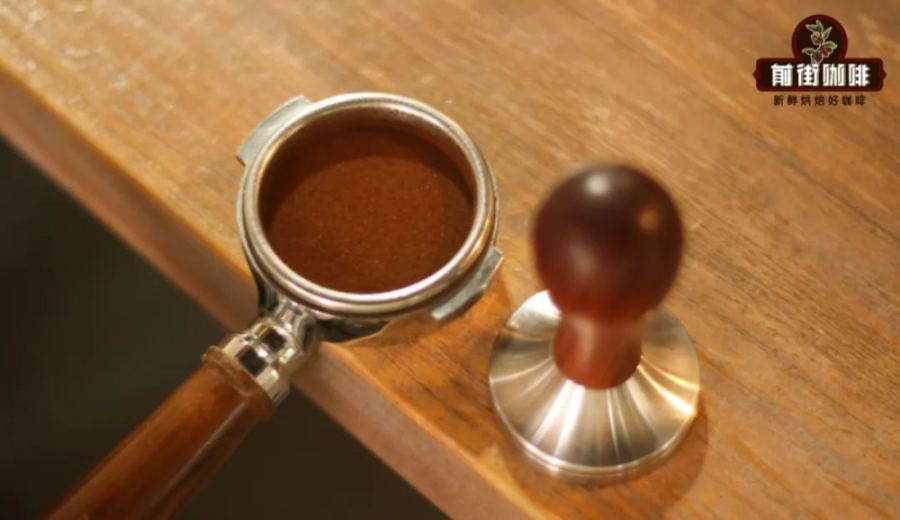
Introduction:Tamping is one of the key steps in making espresso, but how much pressure should you apply? What’s the relationship between grind size and tamping force? Through experimental comparisons, we found that tamping force needs to be adjusted according to grind fineness to achieve stable extraction. This article delves into the principles of tamping, the logic behind different techniques, and provides practical parameter references to help you master the secrets of stable extraction.
In the espresso-making process, tamping (the act of compacting coffee grounds) may seem like a simple action of pressing down the coffee, but it actually involves many details and nuances. Baristas often have differing opinions on the amount of force and the method of tamping—some prefer a light press to level the puck, while others are accustomed to applying greater pressure to compact the coffee bed. But does the force of tamping really affect the final extraction outcome?
To find the answer, we conducted a series of experiments, testing both coarse and fine grind sizes under varying tamping forces, and observing their impact on extraction time. The results clearly showed that there is an inseparable relationship between tamping force and grind fineness, and appropriately adjusting the tamping force can effectively stabilize extraction quality.
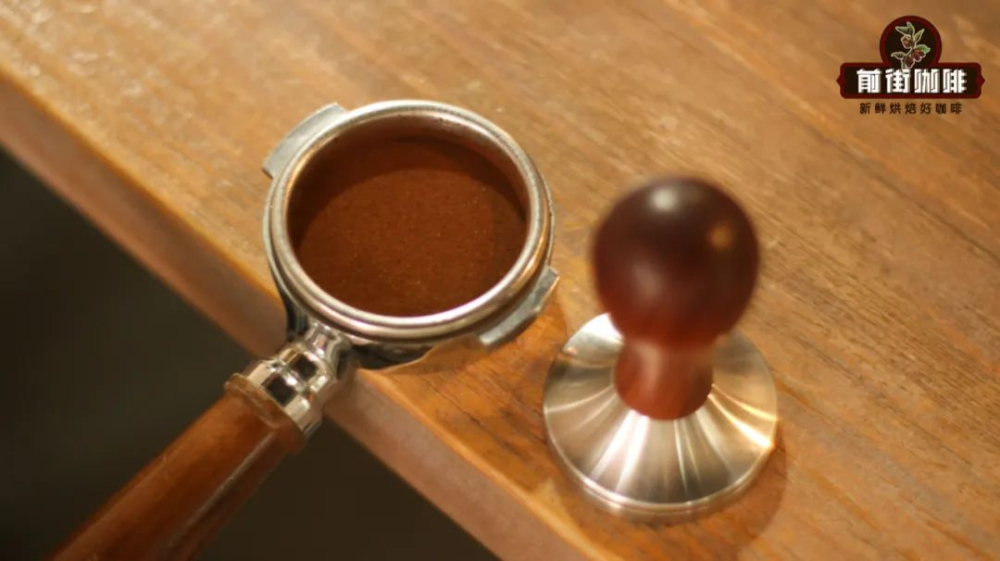
Most people understand that leveling the coffee bed is a basic requirement of tamping. If the surface of the coffee layer is uneven, it can cause the water to flow through certain areas more easily, creating what is known as “channeling,” which leads to uneven extraction and affects the flavor profile of the coffee. However, when it comes to “how much force should be used to compact the coffee,” opinions vary, giving rise to different tamping schools of thought.
One school of baristas argues that as long as the puck is leveled and has a certain degree of firmness, it’s sufficient. They usually perform tamping with a gentle and steady motion, believing that under the high-pressure environment of an espresso machine, the difference in tamping force has a limited impact on the extraction result. This approach emphasizes the smoothness and consistency of tamping rather than simply pursuing maximum pressure.
On the other hand, another group of baristas firmly believes that only by applying significant pressure can the puck’s firmness be ensured, thereby controlling the flow rate of extraction. They often exert considerable physical effort during tamping, striving to compress the coffee into the densest possible state, believing that the firmer the puck, the more uniform and stable the extraction. While this method may look visually dramatic, its actual effectiveness still requires scientific validation.
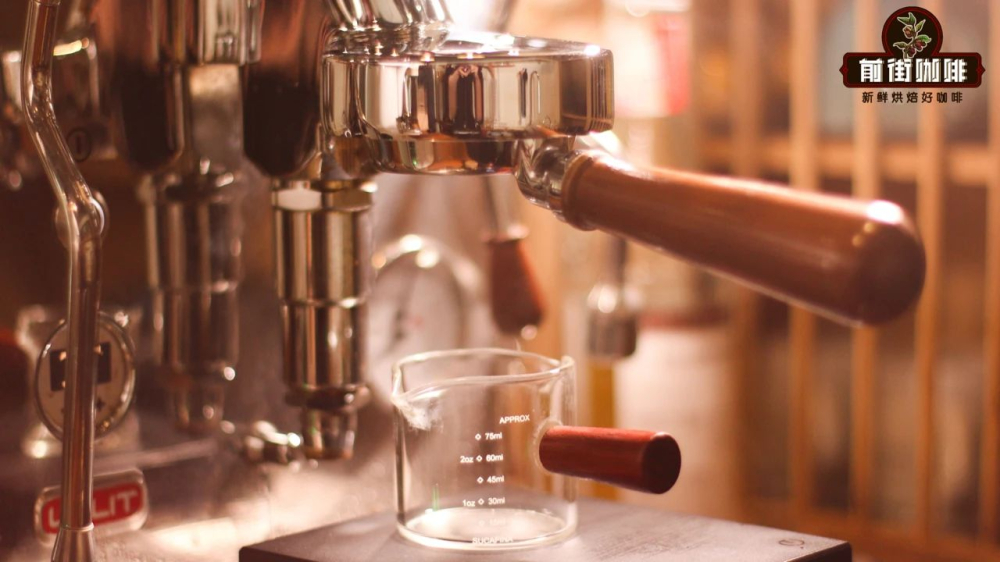
To further explore the real impact of tamping force on extraction, we designed two sets of experiments using both fine and coarse grind sizes, comparing different tamping forces. The experiment used a dark roasted blend with rich crema, composed of beans from Brazil, Indonesia, and Vietnam, suitable for making espresso as well as various drinks such as Americano or latte.
The experiment was set up using a Galileo Q18 grinder, with a fixed coffee dose of 20 grams and a target yield of 40 milliliters. The fine grind setting was 1.5, and the coarse grind setting was 2.5. By observing changes in extraction time, we evaluated the impact of different tamping forces on extraction. (Left image shows 1.5 grind setting, right image shows 2.5 grind setting)
In the fine grind group, using a tamping force of 1.5 kilograms (a commonly standard pressure), it took about 30 seconds to extract 40 milliliters of liquid; whereas using close to full force (about 9 kilograms), the extraction time extended to 33 seconds. Repeated experiments yielded consistent results. This shows that for fine grind coffee, different tamping forces do indeed affect extraction time.
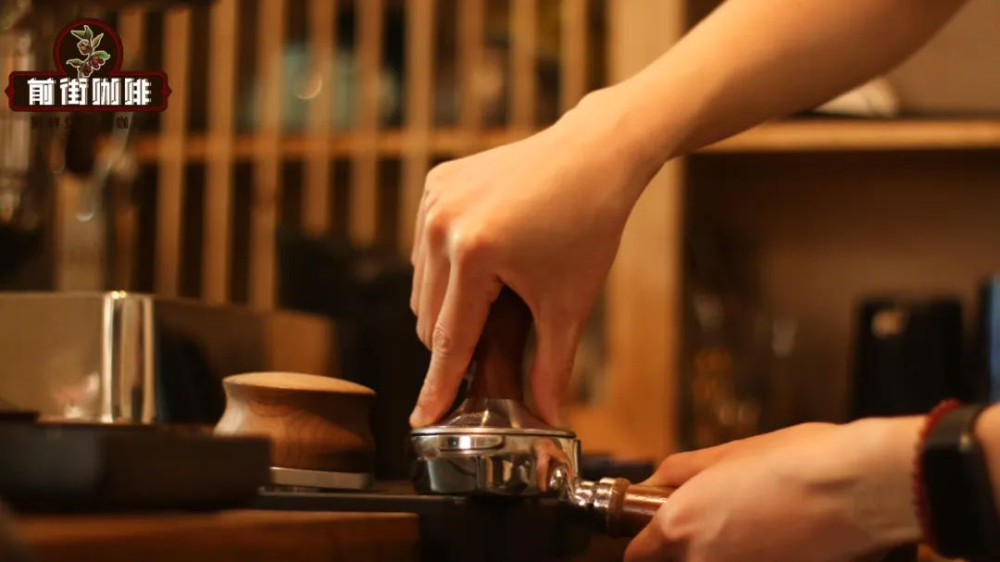
In contrast, for the coarse grind group, under the same coffee dose and extraction conditions, regardless of whether 1.5 kilograms or full force was used, the extraction time for 40 milliliters of liquid was 20 seconds. This indicates that due to the larger pores between coarse grind coffee particles, a tamping force of 1.5 kilograms is already sufficient to stabilize the puck, and further increasing the pressure has little effect on the extraction result.
Based on the comprehensive experimental results, we can conclude that the particle size and density of coffee grounds determine the tamping force needed to achieve the ideal level of puck firmness. For fine grind coffee, due to the small particle size and higher density, greater tamping force is required to achieve stable extraction; it is recommended to adjust the tamping force to around 2 kilograms to ensure puck firmness and extraction consistency.
Conversely, for coarse grind coffee, due to the larger particle size and more gaps, a tamping force of 1.5 kilograms is usually sufficient, and excessive pressure does not significantly improve extraction performance. Therefore, baristas should flexibly adjust tamping force based on the grind size used in practice to achieve optimal extraction.

The above content is compiled by CoffeeHunters, a coffee news website.


