








Introduction:Ugandan coffee has long been overshadowed by the spotlight on East African specialty coffees, yet it possesses unique terroir and untapped potential. This article delves into Uganda’s coffee history, major growing regions, processing characteristics, and grading system, while also exploring how a premium bean from Mount Elgon—grown with SL14 and SL28 varieties and processed via anaerobic natural fermentation—unfolds its captivating layers of citrus, black plum, and caramel through precise roasting and V60 pour over. It offers specialty coffee enthusiasts a comprehensive tasting and brewing guide to this niche-origin gem.
Although Uganda may not enjoy the same visibility as neighboring Kenya or Ethiopia within East Africa’s specialty coffee map, it harbors undeniable potential. This landlocked country at the source of the Nile boasts fertile volcanic soils and abundant rainfall, gradually carving out a niche in the specialty coffee scene. Particularly, SL14 and SL28 varieties from the Mount Elgon region, when processed via anaerobic natural fermentation, often exhibit a complex flavor profile interweaving bright citrus, black plum, dried fruit, and caramel. This article will begin with an overview of Uganda’s coffee industry, including its historical development, key production regions, common processing methods, and grading systems, then take you deeper into the uniqueness of this Ugandan “Puzhiti” offering, along with expert roasting profiles and V60 pour over parameters—empowering you to fully appreciate the charm of this niche specialty bean.

Uganda’s coffee industry was historically dominated by commercial-grade Robusta. Only in recent years has there been a concerted effort to develop specialty Arabica on a larger scale. For a long time, ethnic tensions and armed conflicts hindered the stability and improvement of coffee quality, with high-quality Arabica mostly concentrated in border areas adjacent to Kenya—some even mislabeled and sold as Kenyan coffee. However, as conflicts gradually subsided after the 1990s, especially with stability returning to the West Nile region, Uganda’s coffee sector seized a rapid development opportunity. Coffees from this area often boast intense black plum aroma, juicy body, and a solid mouthfeel, making it a hidden gem for coffee lovers who appreciate fruity and full-bodied profiles.

To elevate overall coffee quality, the Ugandan government has recently implemented legislative measures to strengthen industry oversight and development. According to reports, new regulations introduced since 2020 require all coffee growers to register and obtain an official identification number that includes details such as land area, number of plants, buyer and seller information, and nursery conditions. This bill is currently awaiting presidential approval. The legislation aims to establish a more comprehensive regulatory framework, granting greater management authority to the Uganda Coffee Development Authority (UCDA) to oversee activities across the entire coffee supply chain. It not only helps connect farmers with markets but also promotes the development of irrigation systems, provides planting materials, and offers technical extension services—laying a solid foundation for future quality improvements.
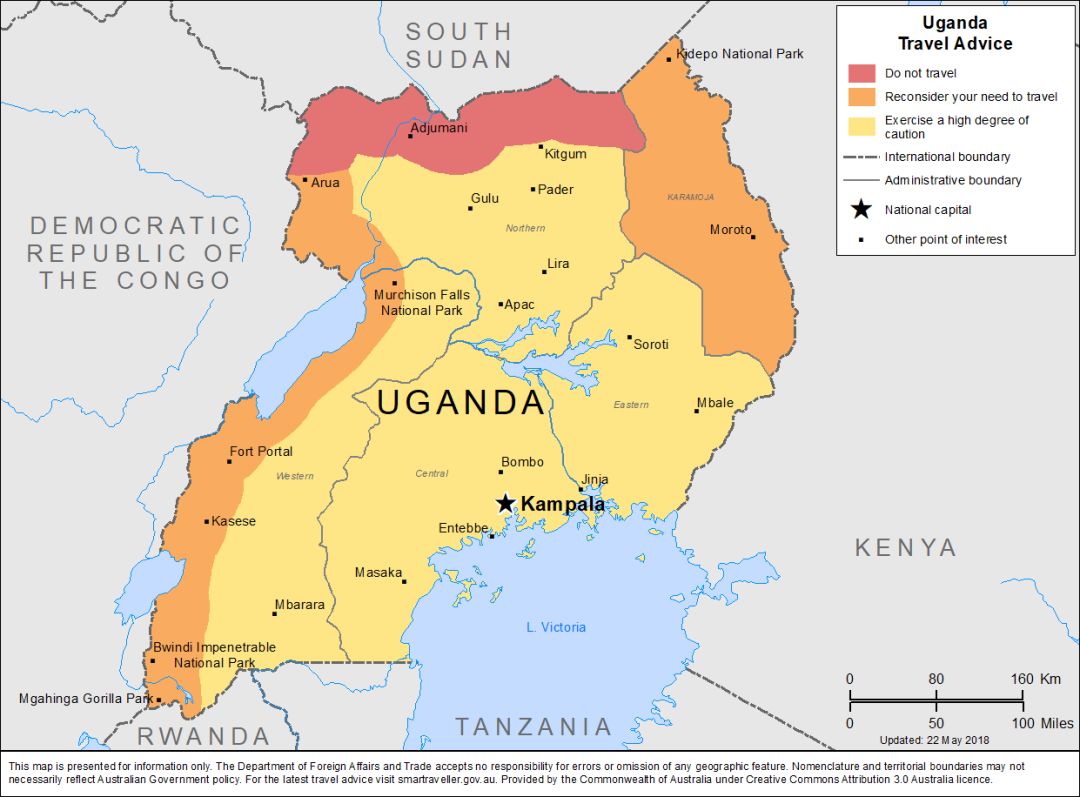
Uganda’s coffee-growing regions can be divided into three core zones, each with distinct altitudes, microclimates, and processing traditions. First is the Mount Elgon region in the east, bordering Kenya—home to one of East Africa’s oldest volcanoes. Coffee here is mostly grown in forested environments on both sides of the mountain, nourished by natural water sources from its steep terrain. The altitude range is broad: lower-altitude harvests occur from June to December, while higher altitudes extend from July to February of the following year, resulting in rich flavor diversity. In the southwest, the Rwenzori Mountains—also known as the “Mountains of the Moon”—lie along the border with the Democratic Republic of the Congo, with elevations typically between 1,500 and 2,300 meters. The volcanic soils here are rich in nitrogen, ideal for coffee cultivation, and both natural sun-dried and washed processes are well-established. Meanwhile, the northwest’s West Nile region, at elevations of 1,300 to 1,600 meters, often utilizes native shade trees like figs. Coffee from this area is predominantly washed processed, characterized by clear citrus notes.
In terms of processing techniques, Uganda primarily employs traditional washed and natural (sun-dried) methods. Washed processing involves removing the outer skin and most of the pulp using a pulper, followed by fermenting the beans—still encased in their mucilage—in water tanks to remove residual fruit layers. This method generally highlights clean acidity and a bright, crisp cup profile. Natural processing, on the other hand, begins with removing floaters, then drying the whole coffee cherry directly in the sun with regular turning to prevent fermentation or mold, resulting in a richer sweetness, dried fruit aromas, and layered complexity. In recent years, anaerobic fermentation technology has also been gradually introduced. By controlling oxygen levels during fermentation, this method allows for more precise flavor development, crafting distinctive and recognizable specialty coffees.
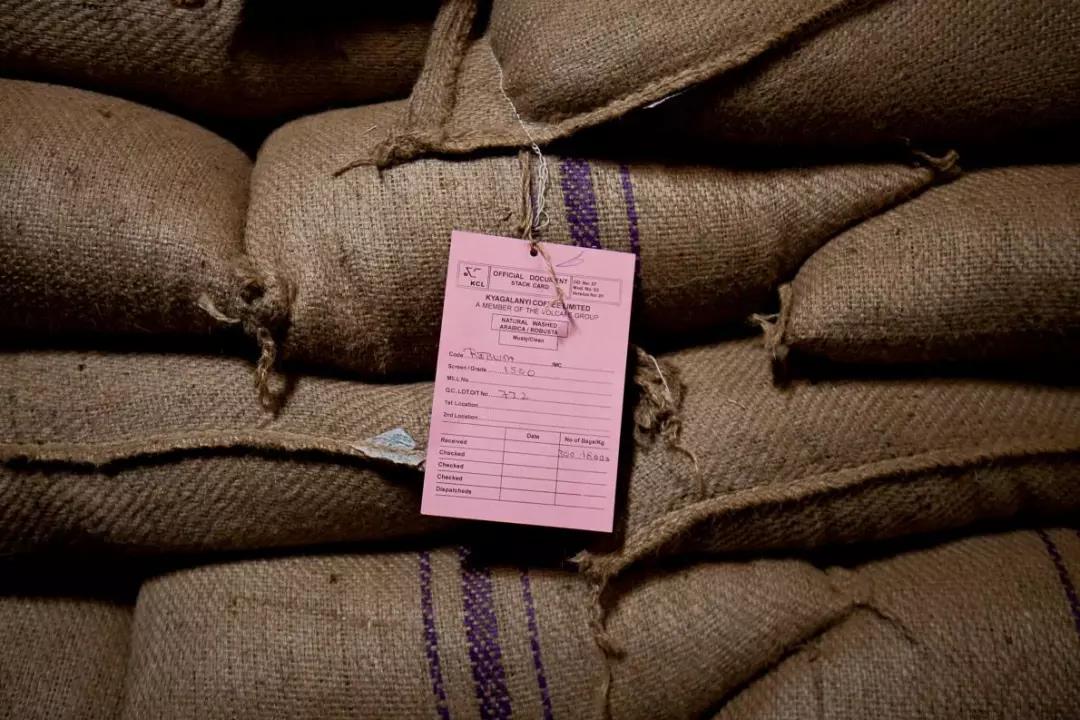
Uganda’s coffee grading system is similar to that of its neighbor Kenya, primarily classifying beans by size and density. The highest grade is AA Plus (AA+), representing beans within the AA category that perform exceptionally well in cupping. AA-grade beans typically measure 17–18 mesh, forming the premium bulk of the market. AB-grade beans range from 15–16 mesh and make up the majority of production. C-grade beans are smaller, TT-grade beans are lighter beans sorted from AA and AB using air classification, T-grade consists of the lighter fractions of C-grade, E-grade refers to rare, large double-bean mutants known as “elephant ears,” UG includes beans that don’t meet any of the above criteria, and PB denotes peaberry beans, classified by shape with no direct relation to flavor or weight.
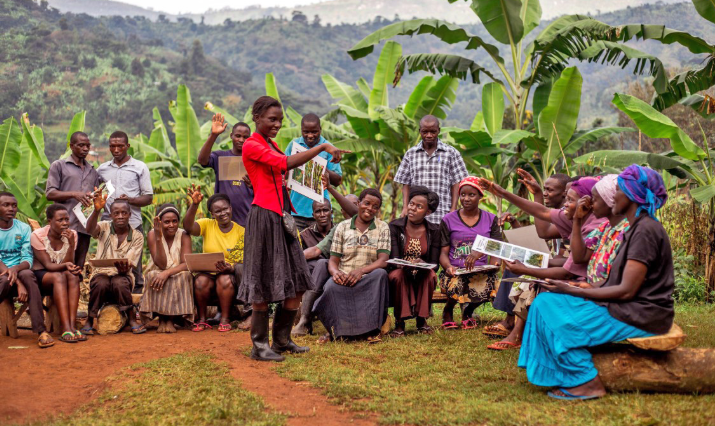
A certain coffee brand’s Ugandan Puzhiti originates from the Mount Elgon region, cultivated at altitudes between 1,600 and 1,850 meters, using SL14 and SL28 varieties and processed via anaerobic natural fermentation. This method involves placing whole coffee cherries in sealed stainless-steel containers for a three-day anaerobic fermentation at temperatures below 10–15°C. This process allows sugars in the mucilage to release slowly, stabilizing pH changes and extending fermentation time—resulting in a more balanced sweetness and complex flavors. After fermentation, the coffee is moved to raised beds for sun drying, with careful attention to turning and temperature control to avoid mold or over-fermentation. SL14 and SL28 are actively promoted by the Ugandan government; SL14 not only delivers outstanding cup quality but also features drought resistance and can be harvested just two years after planting, making it highly suitable for local farmers.
For roasting strategy, to highlight the bean’s fruity notes and acidity, a certain coffee brand opts for a medium-light roast. The roasting process extends the drying phase to ensure even heat distribution between the bean surface and core, thus preserving intricate flavor details. Specific roasting parameters are as follows: charge temperature at 160°C, initial flame power set to 100, air damper open at 3; turnaround occurs around 1 minute and 36 seconds. When the drum temperature drops to 140°C, the air damper is adjusted to 4, keeping flame power constant. At approximately 146.1°C, when the bean surface turns yellow and grassy notes dissipate, the main drying phase begins. When the drum reaches 166°C, flame power is reduced to 80, with the air damper unchanged. Around 8 minutes and 27 seconds, as the bean surface shows prominent wrinkles and dark speckles and the toast aroma transitions to coffee fragrance, it enters the pre-first crack stage. Close attention is paid to first crack sounds, which begin around 9 minutes and 10 seconds. The air damper is then adjusted to 5, allowing first crack development to continue for 1 minute and 30 seconds, with the final roast completed at 194°C.
For pour over recommendations, a certain coffee brand suggests using 15 grams of coffee beans with a 1:15 coffee-to-water ratio, setting the water temperature at 90°C and grind size to BG grinder #6M (approximately medium-fine for standard pour over). Using a V60 dripper, start with a 30-second bloom using 30 grams of water, then pour in small circles to reach 125 grams for the first pour. When the water level drops near exposing the coffee bed, continue pouring to 225 grams, then stop and wait until the water level drops again near exposing the bed before removing the dripper. Total extraction time is kept around 2 minutes. These parameters effectively showcase the Ugandan specialty bean’s citrus, black plum, dried fruit, and caramel flavors, delivering a layered and long-lasting tasting experience.
The above content is compiled by CoffeeHunters, a coffee news website.


