







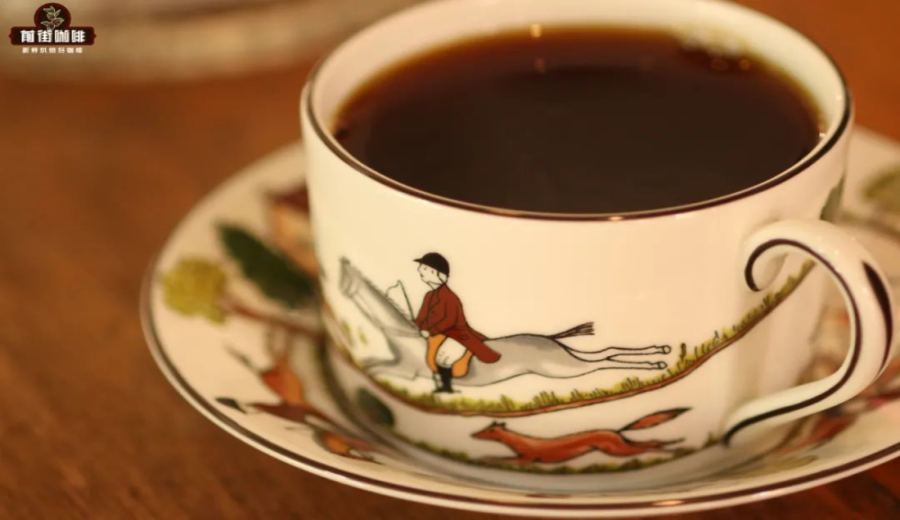
Introduction:Mandheling coffee is renowned for its full-bodied, rich flavor, low acidity, and distinctive notes of spices and chocolate, making it a favorite among many coffee enthusiasts. This article delves into two renowned producing regions in Sumatra—Lintong Mandheling from Lake Toba and PWN Golden Mandheling from Lake Tawar—exploring their differences in flavor profiles, processing methods, and roasting styles. It also provides practical pour over and extraction parameters to help you brew a Mandheling coffee that is layered and free from bitterness.
Mandheling coffee has long been celebrated in the coffee world for its deep, rich taste, low acidity, and intense aroma, particularly its unique herbal and spicy notes, making it a top choice for those who prefer bold flavors. If you’ve ever had a cup of coffee with lingering notes of dark chocolate and nuts, it was likely from Mandheling in Sumatra, Indonesia. This article will focus on two highly representative types of Mandheling coffee—Lintong Mandheling and PWN Golden Mandheling—offering a comprehensive analysis of the charm of this classic coffee, from regional background and processing methods to roasting styles and pour over and extraction techniques.
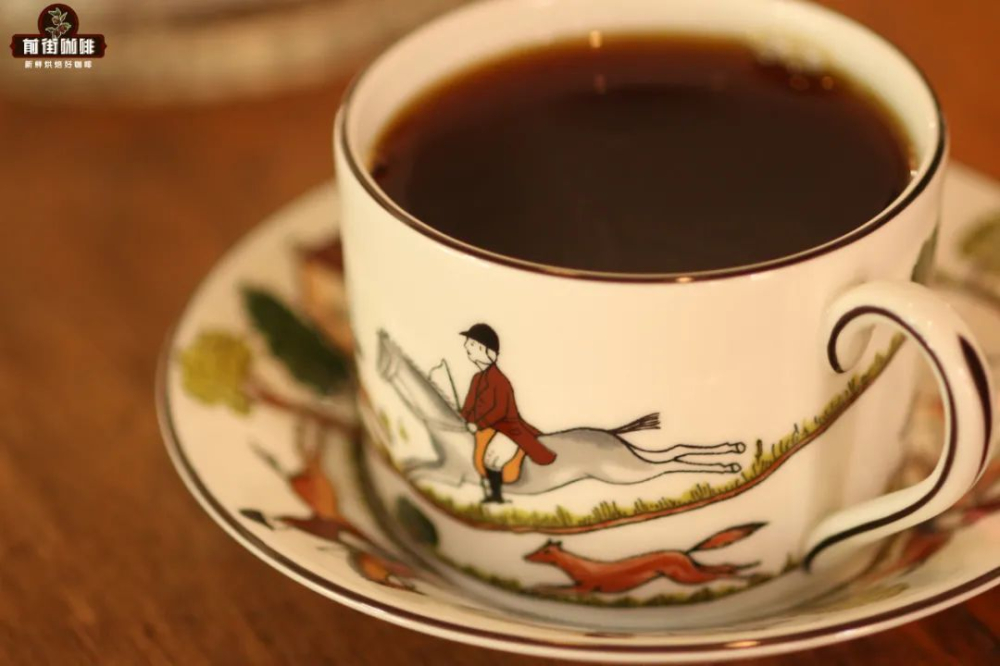
First, Mandheling has a distinctly different flavor profile compared to the more commonly known Yirgacheffe. While Yirgacheffe is known for its bright citrus acidity and floral notes, Mandheling showcases a rich mouthfeel and a heavy body, with more pronounced bitterness that is not harsh but instead emits enticing herbal, spicy, and dark chocolate aromas under medium to dark roasting. When grinding, you often catch a complex scent reminiscent of cloves, cedarwood, and caramel; upon tasting, the unadulterated black chocolate and roasted hazelnut textures deliver its classic characteristics. However, if extraction conditions are not well controlled—such as using water that’s too hot or brewing for too long—it can easily bring out excessive bitterness, making the entire cup taste monotonous and astringent like herbal tea.
In Sumatra, there are two regions famous for their Mandheling production, namely Lake Toba in North Sumatra Province and Lake Tawar in Aceh Province, collectively referred to locally as the “Two Lakes, Two Mandhelings.” The high-altitude mountainous areas surrounding these two lakes feature cool and humid climates, making them ideal environments for growing Arabica coffee and one of the key factors behind Mandheling’s unique flavor.
Among them, Lintong Mandheling comes from the Lintong area near Lake Toba in North Sumatra Province and is the most common and representative type of traditional Mandheling flavor on the market. This coffee is mostly processed using the wet-hulled method, which involves removing the outer parchment layer when the coffee beans are not yet fully dried. This approach preserves more herbal and earthy notes, giving the coffee a rich character with a slight earthy feel. Due to this unique processing method and flavor profile, Lintong Mandheling is generally positioned as an everyday drinking bean, suitable for both novice coffee drinkers and seasoned aficionados who want to experience the authentic taste of Indonesian Mandheling.
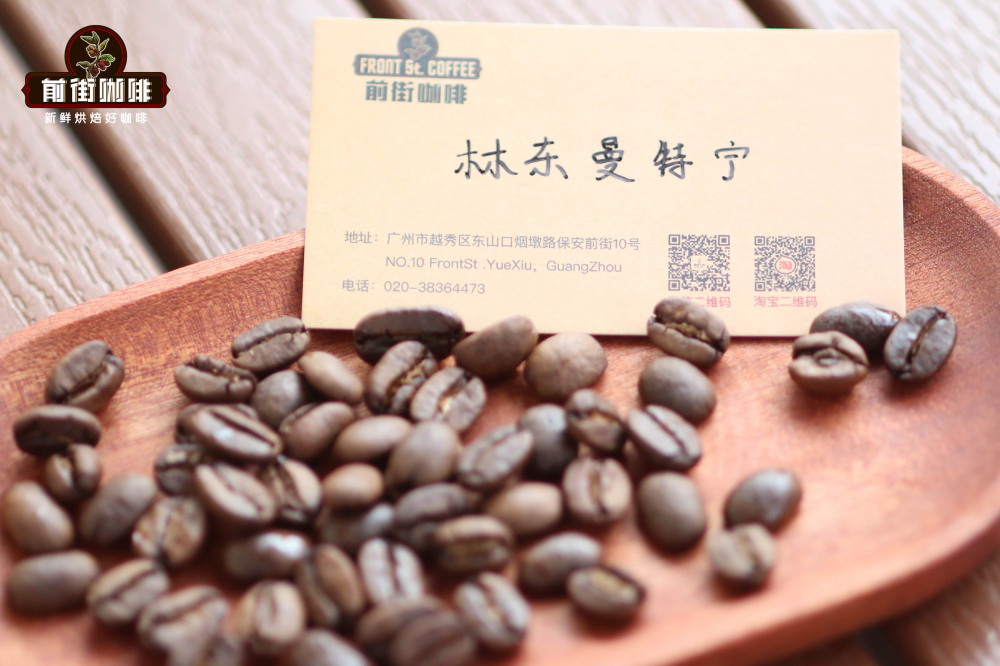
If you prefer a richer, more consistent Mandheling with a lower defect rate as a base for espresso blends, you might want to look into PWN Golden Mandheling. This coffee is produced by Indonesia’s well-known PWN company and is the only product on the market legally allowed to use the name “Golden Mandheling.” PWN is extremely strict in selecting green beans, using only beans larger than eighteen mesh, and allowing no more than three defective beans in a 300-gram sample, achieving the highest grade in the Indonesian green bean classification system—G1. Moreover, these green beans undergo one mechanical screening and three manual selections to ensure uniformity in size, shape, and color. As a result, the brewed coffee offers a cleaner taste, more pronounced sweetness, and a higher body.
In terms of flavor profile, although both Lintong Mandheling and PWN Golden Mandheling belong to the Mandheling family, they show notable differences in detail. For example, in cupping results, Lintong Mandheling presents a rich flavor profile with notes of dark chocolate, brown sugar, and nuts, while its aftertaste carries a hint of herbal freshness; in contrast, PWN Golden Mandheling reveals distinct notes of pine, nuts, and spices in the dry fragrance stage. After brewing, the aromas of licorice and caramel become more prominent, with the flavors of black chocolate and spices layered upon entry, offering a long-lasting finish and an overall more balanced performance.
In roasting, both coffees are typically medium to dark roasted to fully highlight the distinctive spice and dark chocolate characteristics of Mandheling, while avoiding overly dark roasting that could lead to burnt bitterness. For pour over, it is recommended to control the water temperature between 90–92°C, and the grind size should be medium-fine, similar to the coarseness of fine sugar, to facilitate flavor release without over-extraction. Brewing can be done using a staged extraction method—for instance, starting with a 30% water bloom for 30 seconds, then gradually adding the remaining water. The total extraction time is recommended to be around 2 minutes and 30 seconds to 3 minutes, which helps better control the emergence of bitterness and allows the richness and aroma of the coffee to be fully expressed.
In summary, whether you are a beginner just beginning to explore the charm of Mandheling or a seasoned enthusiast already familiar with its flavors, gaining a deeper understanding of the regional characteristics, processing methods, and roasting philosophies of Lintong Mandheling and PWN Golden Mandheling can help you better appreciate the nuances of this classic coffee. Coupled with proper pour over techniques and extraction parameters, you can avoid common issues like over-extraction and enjoy a cup of Mandheling coffee that is rich, aromatic, and has a long-lasting finish.
The above content is compiled by CoffeeHunters, a coffee news website.


