







Introduction:Why has pour over become the mainstream choice for specialty coffee shops when brewing single-origin coffee? This article delves into the unique advantages of pour over in six key aspects: flavor presentation, ease of operation, speed of service, controllability, fun factor, and visual appeal. It also clarifies common misconceptions about coffee calories, helping coffee enthusiasts fully understand why pour over is becoming increasingly popular, while also mastering the key points of selecting and brewing.
Many coffee lovers have a question: why do most specialty coffee shops use the pour over method to brew single-origin coffee, rather than other devices like siphon pots or French presses? In fact, this reflects the comprehensive advantages of pour over across multiple dimensions. Based on observations from a real specialty coffee shop, we can systematically outline the six core strengths of pour over—outstanding flavor expression, simple operation, quick service, high controllability, rich playability, and excellent visual experience. These features collectively establish pour over as the “all-rounder” in specialty coffee extraction. At the same time, we will also clarify the calorie composition of a cup of coffee, helping you better understand the logic behind the widespread popularity of freshly ground pour over coffee.
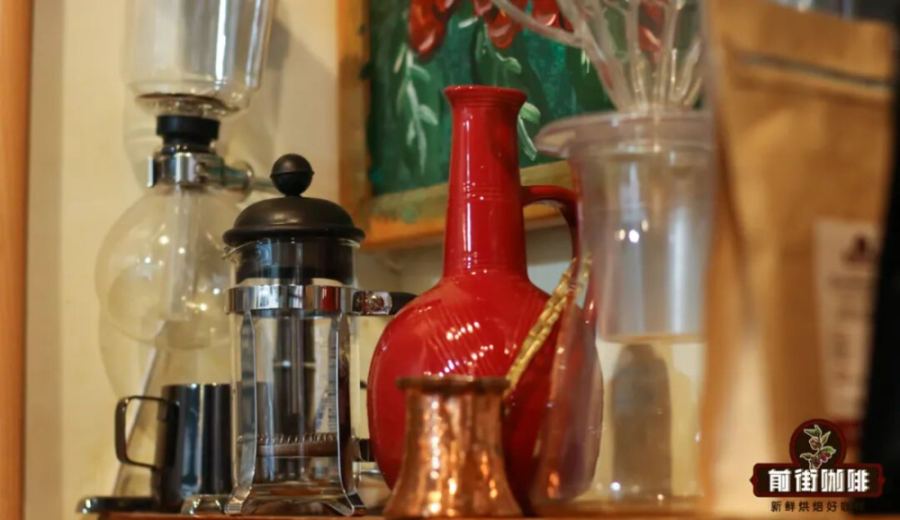
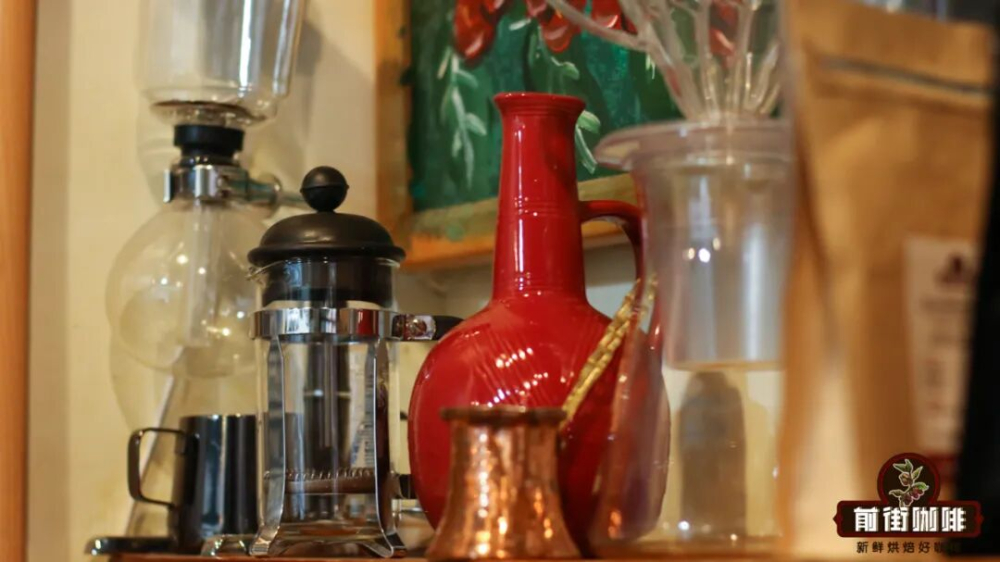
Walking into the physical store of a certain specialty coffee shop, many customers exclaim: “Small but well-equipped.” Despite the limited space, in addition to showcasing various best-selling coffee beans online, the shop displays a variety of brewing devices in every corner—from siphon pots and French presses, to clever drippers, Turkish coffee pots, and even Eritrean coffee pots, offering quite a range. As a result, customers often ask if these devices can be used to brew single-origin coffee. When told the answer is no, they usually follow up with questions like: “Is it because the coffee made with these devices doesn’t taste as good as pour over?” or “Why do specialty coffee shops prefer using pour over for single-origin coffee?” Many online friends likely have similar doubts. So today, let’s dive deep into this topic—why do specialty coffee shops always prioritize pour over when brewing single-origin coffee?
The answer isn’t complicated, as explained by a certain specialty coffee shop to its customers on-site: compared to other devices, pour over covers a wider range of functions. If we compare various brewing devices to players with different abilities, then pour over is like a “six-sided warrior”—while it may not be the absolute best in any single skill, its overall strength makes it the best choice for coffee shops when serving single-origin coffee.
First, pour over can easily highlight distinct coffee flavors. Since the 1990s, the promotion of the specialty coffee concept has led more and more consumers to pay attention to coffee flavor profiles. From cultivation and roasting to brewing, every step serves to enhance flavor. Among various extraction methods, pour over is one of the best at showcasing flavor. It falls under the drip filtration category, which easily delivers a layered and clear flavor experience. For example, when a certain Ethiopia · Huakui coffee from a shop’s bean list is brewed using pour over, flavors such as strawberry, floral notes, creaminess, and citrus are exceptionally prominent. It has a balanced sweet-and-sour profile and a light mouthfeel, making the coffee’s flavor characteristics crystal clear. In contrast, if a French press—an immersion brewing device—is used instead, although the coffee will have a richer body and more balanced taste, its flavor clarity and expressiveness will be slightly inferior.
Of course, flavor performance alone isn’t enough to make pour over the mainstream extraction method for single-origin coffee, as other devices can achieve similar effects by adjusting parameters and techniques. As a certain specialty coffee shop puts it, pour over not only excels in flavor but also offers several other advantages, such as—ease of use.
The second advantage of pour over is its simplicity. Whether in the brewing process or cleanup, pour over is more hassle-free than most devices. It doesn’t involve complicated steps, and cleaning is very easy. All you need is a tool that can pour water, along with filter paper and a filter cone, to start making coffee. Additionally, filter paper is a disposable filtration material—once brewing is done, you can simply lift it up, discard it along with the coffee grounds, and then rinse the filter cone and container with water. The cleanup is both worry-free and effortless.
The third advantage is fast service. In addition to being easy to use, the quick brewing time of pour over is another major reason for its popularity. From start to finish, brewing a high-quality cup of coffee takes only about 5 minutes. Most other devices typically take around 10 minutes, so pour over requires only half the time or even less. Coupled with convenient brewing and cleaning, choosing pour over can significantly improve a coffee shop’s service efficiency.
The fourth advantage is higher controllability. Compared to most extraction methods, pour over offers stronger controllability. Unlike pressure-based extraction, it’s less affected by excessive carbon dioxide levels in coffee beans. By simply adjusting parameters or pouring techniques appropriately, you can easily brew a great cup of coffee. Moreover, due to the relatively mild parameters used, you can also assess whether the extraction is proceeding normally based on the condition of the coffee bed in the filter cone and the water level, making timely adjustments to avoid under-extraction or over-extraction that could lead to undesirable flavors.

The fifth advantage, which shouldn’t be overlooked, is the high playability of pour over. From the selection of equipment like filter cones and filter paper, to the pouring techniques during brewing, pour over offers a wealth of variation possibilities. For example, there are various pouring methods such as the three-pour technique, four-six pour, stirring method, and variable-temperature brewing. These different approaches can deliver distinctly different coffee experiences—some methods can make the coffee sweeter, while others can enhance its juicy character; using different filter papers, some can intensify the aroma, while others can result in a cleaner mouthfeel…
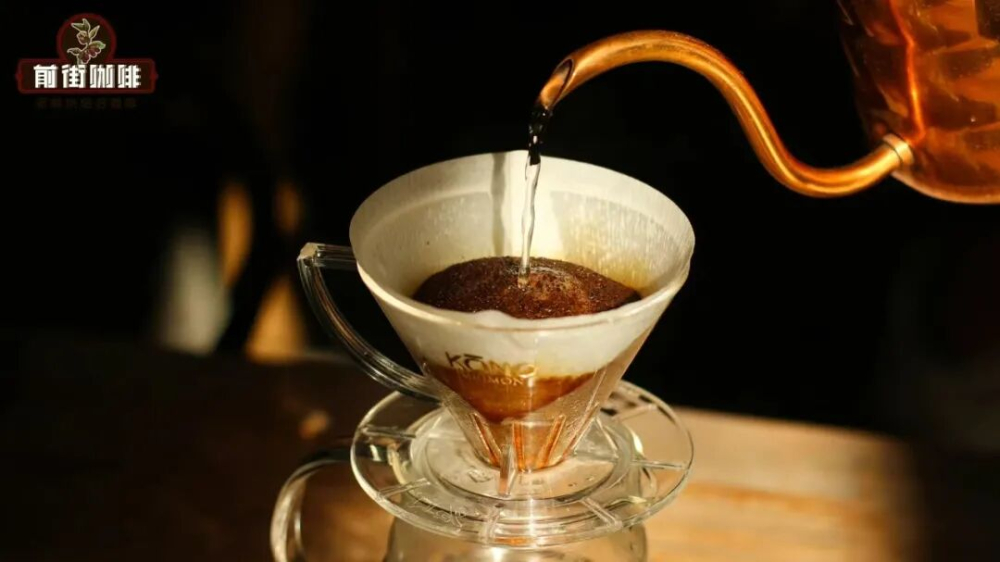
The final advantage is the strong visual appeal of pour over. The brewing process of pour over provides an excellent visual experience. Whether it’s the focused expression of the barista while pouring, the swirling vortex formed as the water stream circles in, or the puffed-up coffee bed during the bloom phase, or the deep well-like coffee bed revealed after the liquid drains—these visuals offer customers a delightful sensory experience.
With these six major advantages in mind, it’s easy to understand why most specialty coffee shops choose pour over to brew single-origin coffee, rather than other methods like siphon pots or French presses. Of course, those other methods aren’t impossible—they’re just less common. Additionally, regarding the issue of coffee calories, many people mistakenly believe that coffee itself is high in calories. In reality, a pure black pour over coffee has extremely low calories, primarily coming from the coffee beans themselves and containing almost no added sugar or dairy products, making it a representative of healthy beverages. Understanding these truths can help you more fully appreciate the charm of pour over coffee.
The above content is compiled by CoffeeHunters, a coffee news website.


