







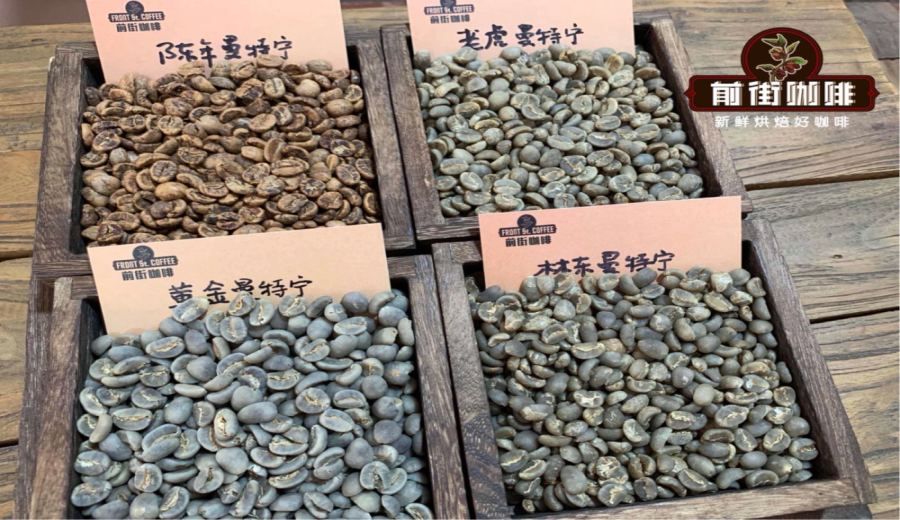
Introduction:Sumatran Mandheling and Jamaican Blue Mountain coffee represent the pinnacle of bold richness and elegant balance, respectively. This article will systematically compare the key differences between these two world-class specialty coffees—from regional geography, growing environments, processing methods, grading systems to cupping flavors—while deeply analyzing their unique charms to help you make more precise judgments when selecting and appreciating them.
In the world of specialty coffee, Sumatra’s Mandheling and Jamaica’s Blue Mountain have long been two classic representatives. The former originates from Lake Toba and Lake Tawar in Indonesia’s Sumatra, renowned as the “Two Lakes, Two Mandhelings,” showcasing deep, full-bodied flavors with herbal and earthy notes. The latter grows in the Blue Mountains of eastern Jamaica in the Caribbean, celebrated for its mild, sweet-and-acidic balance and delicate aromas, often hailed as the “beauty among coffees.”
To truly understand the differences between these two coffees, we need to examine multiple aspects such as regional environments, climate conditions, planting history, processing techniques, grading classifications, and actual cupping flavors. Only then can we grasp the distinct flavor vocabularies and quality characteristics each represents. This article will provide an accessible comparison of the key elements of these two coffees, supplemented with regional maps, to help you quickly grasp their differences.
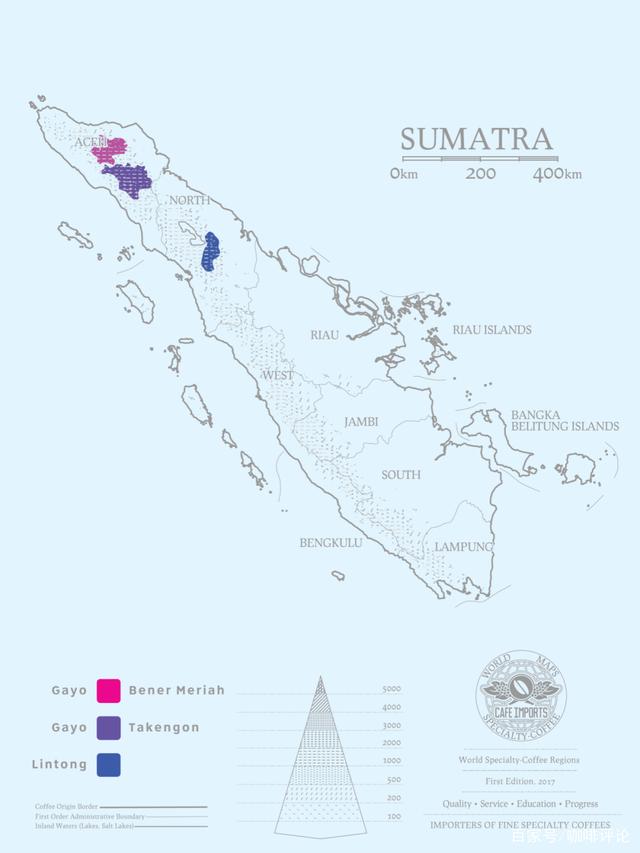
The core producing areas of Sumatran coffee are concentrated around Lake Toba in the northern part of the country and Lake Tawar in Aceh Province. The varying terrain, altitudes, and microclimates around these two major lakes give rise to Mandheling coffees with slightly different flavor profiles. Mandheling from the Lake Toba region typically exudes deep, robust spices and earthy tones, sometimes even carrying a unique aroma reminiscent of grass jelly. In contrast, Mandheling from Lake Tawar (also known as the Gayo Highlands) benefits from higher altitudes and greater diurnal temperature variations, offering brighter fruit acidity and subtle woody or cedar notes, resulting in a more layered profile.
As Indonesia’s largest island, Sumatra straddles the equator geographically and features a typical tropical rainforest climate, with high temperatures, high humidity, and evenly distributed rainfall year-round. The region’s numerous volcanic terrains provide mineral-rich, fertile soils, while the mountainous areas, shrouded in mist and with moderate temperatures, create an ideal environment for Arabica coffee growth. However, since the mid-19th century, when coffee leaf rust ravaged the region, local cultivation has gradually shifted toward more disease-resistant Robusta and its hybrid varieties (such as Ateng, Tim Tim, etc.), with Mandheling being one of the few remaining representatives that still retains the superior characteristics of Arabica.
The main growing areas of Mandheling are located in Aceh Province and North Sumatra Province in northern Sumatra. The Gayo Mountains in central Aceh, adjacent to Lake Tawar, sit at elevations between 1,200 and 1,800 meters. The cool climate and significant diurnal temperature variations, along with coffee cultivation on steep volcanic slopes, are maintained through organic management practices that preserve ecological balance, with fallen fruits naturally decomposing into good fertilizer. Mandheling from this area is often traditionally grown by the Gayo ethnic group and hand-harvested, contributing to its distinctive regional flavors.
In contrast, the Lake Toba region, with its slightly lower elevation (around 1,400 meters), dense vegetation, and abundant rainfall, sees coffee trees mostly growing in natural shade environments without the need for additional shading nets. The Mandheling here, influenced by the climate and soil, often exhibits a deep richness and unique herbal aromas. Some cuppings can even detect herbal or medicinal aftertastes, making it highly favored by consumers who prefer bold flavors.
Turning to the Caribbean, Jamaican Blue Mountain coffee is concentrated in the Blue Mountains of the country’s eastern region. This mountain range, thanks to an exceptional combination of geographical and climatic conditions, is one of the few places in the world capable of producing coffee with an exceptionally balanced flavor profile. The highest peak in the Blue Mountains reaches 2,256 meters, the tallest in the Caribbean. The region is perpetually foggy, with abundant rainfall (averaging about 1,980 mm annually), stable temperatures ranging between 20°C and 27°C, and fertile volcanic soils, providing nearly perfect growing conditions for coffee trees.
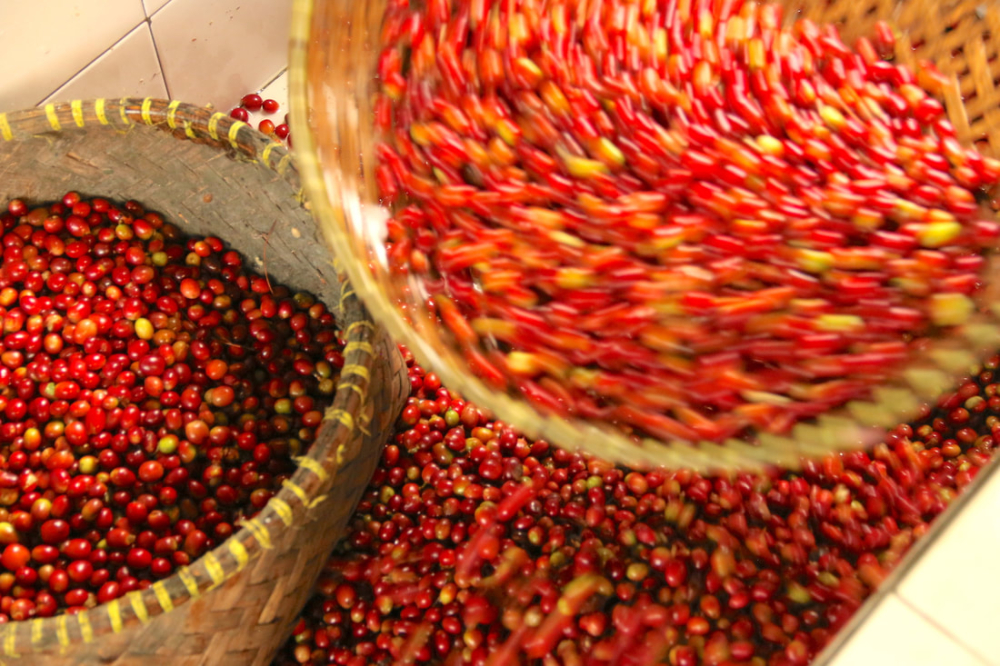
The cultivation of Blue Mountain coffee is extremely meticulous. Coffee trees are mostly planted on steep slopes, and harvesting relies entirely on skilled manual labor, with only perfectly ripe red cherries carefully hand-picked. The harvested coffee cherries must be depulped on the same day, followed by 12 to 18 hours of fermentation, then thoroughly washed and sorted with clean water. Afterwards, the beans are spread out to dry on cement floors or thick mats until their moisture content drops to 12% to 14%, after which they are stored in warehouses, awaiting subsequent roasting.
The history of Blue Mountain coffee dates back to the early 18th century when French and British colonists introduced Arabica seeds to Jamaica. The Saint Andrew region was one of the earliest planting areas, later expanding to the three designated growing regions of Portland and Saint Thomas. In 1950, the Jamaican government established the Coffee Industry Board, responsible for formulating and enforcing strict quality control standards and authorizing specific institutions to use official certification labels to ensure the authentic origin of exported coffee.
According to the official grading system, Blue Mountain coffee is divided into three main grades, further subdivided into six categories: Blue Mountain No. 1 and Blue Mountain No. 2 (belonging to the Blue Mountain coffee grade), High Mountain No. 1 and High Mountain No. 2 (belonging to the High Mountain coffee grade), as well as the most basic Jamaican Coffee. Among them, Blue Mountain No. 1 is the top-tier representative, offering the most balanced acidity and sweetness, delicate aromas, and a rich mouthfeel, widely recognized in the market as a premium specialty coffee.
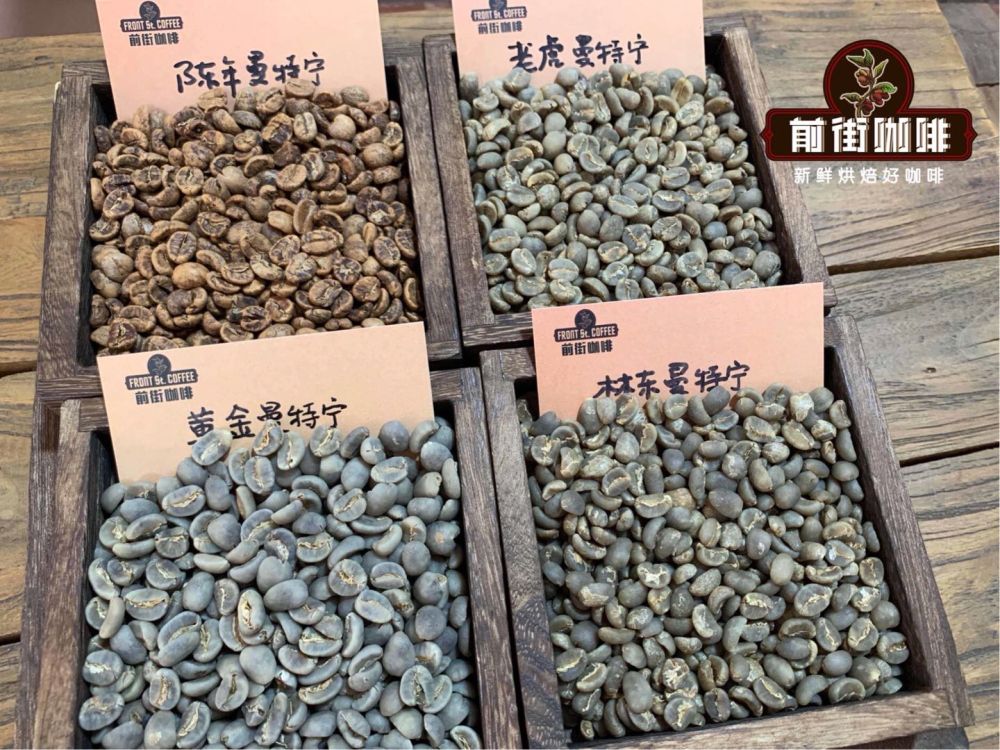
Cupping results show that Golden Mandheling from Sumatra’s Lake Toba often presents intense aromas of black chocolate, nuts, and caramel, accompanied by delicate herbal spice and pine wood notes in the aftertaste. The finish is clean and mild, with soft acidity that becomes more pronounced in fruitiness as the temperature drops. In contrast, Blue Mountain No. 1 exhibits dry aromas of nuts, melon, and chocolate, releasing a complex bouquet of oolong tea, caramel, honey, and dark chocolate upon brewing. It feels as smooth as cream on the palate, with a balanced acidity and sweetness and a long-lasting aftertaste, making it the top choice for those seeking delicate and balanced flavors.
In summary, Sumatra’s “Two Lakes, Two Mandhelings” and Jamaican Blue Mountain coffee each excel in their regional environments, processing methods, and flavor expressions. Whether you prefer the deep, bold richness or the mild, balanced delicacy, these two classic coffees offer distinctly different yet equally remarkable taste experiences. Understanding their backstories and key differences will help you find the one that best suits your palate when tasting and selecting.
The above content is compiled by CoffeeHunters, a coffee news website.


