







Introduction:From the century-long evolution of Colombia’s coffee industry to the Sidra variety grown at the Finca La Línea in the Huila region, this article will take you deep into the story of these coffee beans once favored by the World Barista Championship. It not only explores their historical background and regional characteristics, but also details the processing method, flavor profile, and optimal pour over parameters to help coffee enthusiasts grasp the essence of a high-potential specialty bean.
Colombia is the world’s third-largest coffee producer and also the country that washes the most Arabica coffee globally. Premium-grade beans account for as much as 40% of its coffee exports, making them extremely common both in specialty cafés and home brewing. This article will guide readers through the development of Colombia’s coffee industry, explore renowned regions such as Huila and Cauca, and focus on analyzing the Sidra variety grown at Finca La Línea in Huila — a coffee that gained fame after being used by the 2022 World Barista Championship winner. What exactly is the charm behind this coffee?
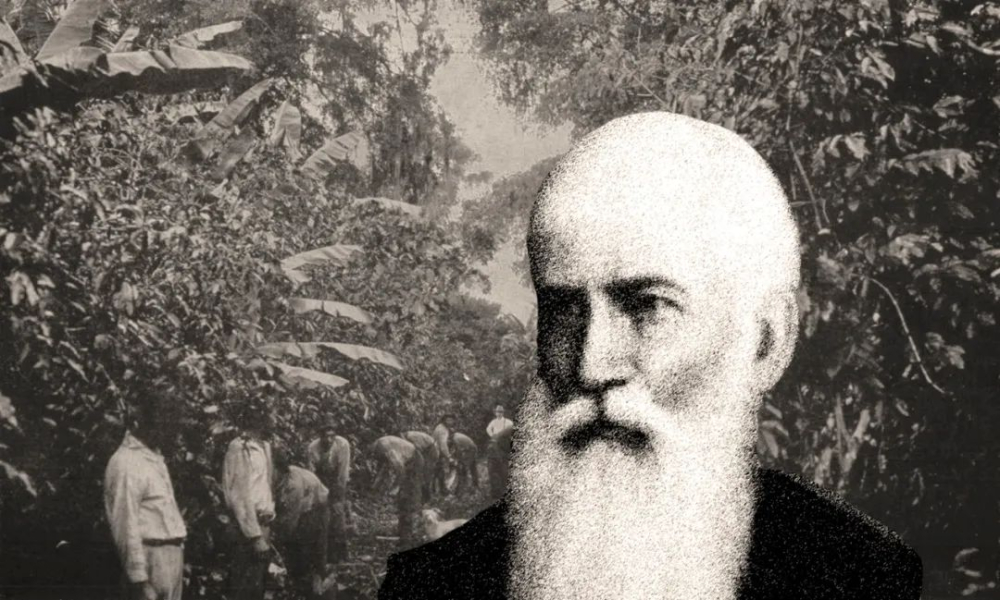
The history of coffee’s introduction to Colombia can be traced back to the early 19th century. Don Mariano Ospina Rodriguez is regarded as one of the key pioneers of coffee cultivation in the country. In 1835, he established the first experimental coffee plantation in Fredonia, Antioquia. With his deep understanding of coffee cultivation, he actively promoted planting techniques and experience to local farmers.
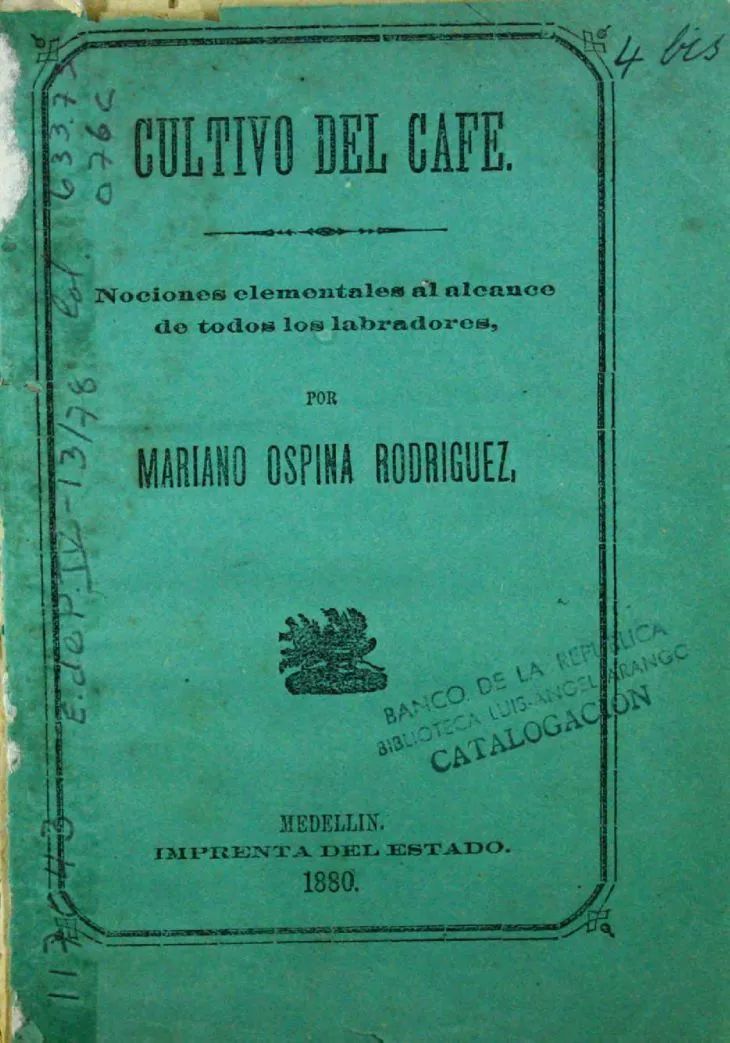
In 1879, the Colombian government officially enacted the Coffee Act, aimed at promoting the development of coffee cultivation. In 1880, Don Mariano further published the country’s first technical manual on coffee cultivation — Coffee Cultivation: Basic Concepts That Any Farmer Can Master — which had a profound impact on the industry’s subsequent growth. Then, between 1887 and 1893, the price of Colombian coffee in the New York market rose from 10.6 cents per pound to 18.8 cents, indicating its gradually increasing international market potential.
Entering the 1920s and 1930s, the Colombian government launched a series of land reform policies to support small-scale coffee farmers. Among the most representative was the founding of the Federación Nacional de Cafeteros de Colombia (FNC) in Medellín in 1927. This organization brought together over 560,000 coffee-growing families from 22 departments and 590 municipalities across the country, with Luis Mariano Ospina Pérez, the grandson of President Mariano, serving as its first president. Under his leadership, the FNC not only successfully marketed Colombian coffee but also transformed it into the country’s most important cash crop, completely reshaping the economic landscape.
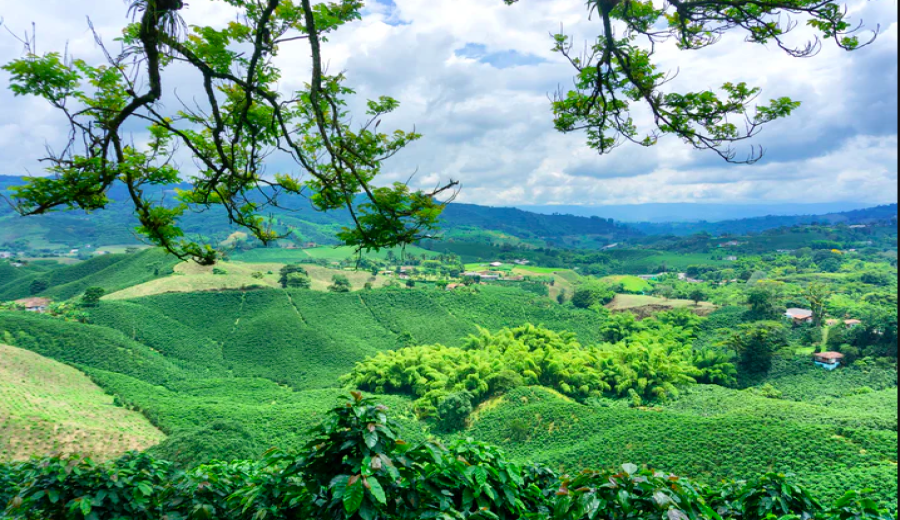
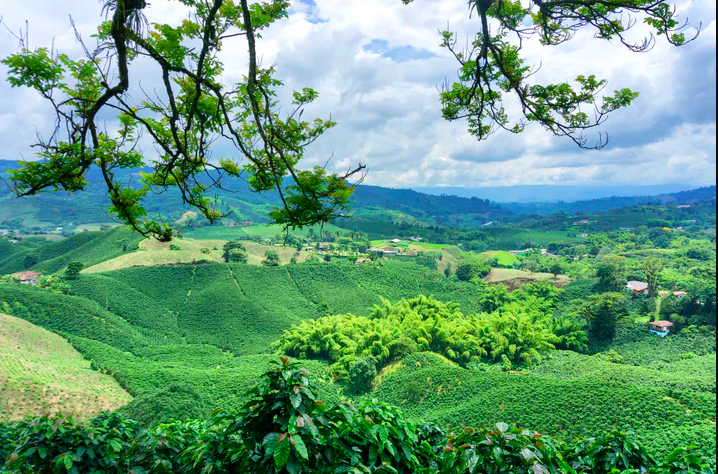
Colombia’s coffee-growing regions are mainly concentrated in the western part of the country, distributed along the Andes Mountains from south to north. The differences in terrain and microclimates have created a rich diversity of regional characteristics. Most of the country lies at elevations between 1,000 and 2,500 meters, with a mild climate averaging around 18°C and abundant rainfall, providing an ideal environment for coffee trees. Since most farms are small family operations, averaging just about two hectares in size, farmers often plant shade trees such as bananas or native hardwoods around coffee trees to help maintain ecological balance and coffee quality.
Geographically, Colombia’s coffee regions can be roughly divided into three major blocks: northern, central, and southern. Among them, Huila, Cauca, Nariño, and Santander are some of the most representative regions. Particularly Huila, which not only enjoys exceptional altitude and microclimate conditions, but is also the birthplace of several well-known specialty coffees.
When it comes to coffee varieties that have garnered significant attention in recent years, ‘Sidra’ is definitely among the top. Anthony Douglas, the 2022 World Barista Championship winner, used Sidra coffee beans from Finca La Línea in Colombia’s Huila region to earn international recognition. In fact, as early as 2019, World Championship winner Jooyeon Jeon also selected Sidra from Ecuador, bringing this variety gradually into the view of the specialty coffee community.
Sidra originally hails from Pichincha Province in Ecuador, where it was initially known as Sydra. It is believed to be an experimental hybrid of Typica and Red Bourbon. Later genetic analysis showed a high similarity to Ethiopian heirloom varieties, leading some scholars to speculate that Sidra may have been crossbred from research varieties exported from Ethiopia with local Bourbon-related strains. Currently, Sidra is primarily grown in Ecuador and Colombia, at altitudes of around 1,650 to 1,800 meters, with some small-scale experimental plantings in other areas as well.
The Sidra plant is robust, capable of growing up to 4 meters in height and requiring moderate shading. This variety shows resistance to certain pests and diseases but is susceptible to leaf rust and coffee berry disease. Its leaves are long and narrow, with the typical five-petal flowers, while its fruits are densely clustered and yield relatively high. The raw beans are slender in shape, distinct from the more rounded beans commonly seen, and bear some resemblance to the Geisha variety. Due to its limited production and distinctive floral and fruity aromas, it often exhibits layered flavors such as peach, citrus, grape, and honey, with a soft acidity and round mouthfeel. As a result, its market price is also relatively high.
Finca El Diviso (分界線莊園) in Huila, Colombia, is a key origin of this Sidra. Located at an altitude of about 2,100 meters and spanning 14 hectares, the farm has accumulated over 25 years of planting experience since its establishment by Jose Uribe Lasso in 1996. It is now managed by the third-generation farmer Nestor Lasso, who continues the family’s commitment to quality by cultivating twelve different coffee varieties including Caturra, Colombia, Sidra, Castillo, Geisha, and Bourbon. Nestor and his family are united in their efforts to improve processing techniques and flavor expression, and have built a large new farm with the goal of creating an international-level family brand.
The Sidra coffee from Finca El Diviso is processed using a double anaerobic washed method, effectively enhancing the layers and clarity of its acidity. A certain coffee brand uses a medium-light roast to fully showcase its fruity characteristics. In cupping, this bean displays a variety of tropical fruit flavors such as apricot, citrus, and grape, with a balanced acidity and sweetness, and a long-lasting aftertaste.
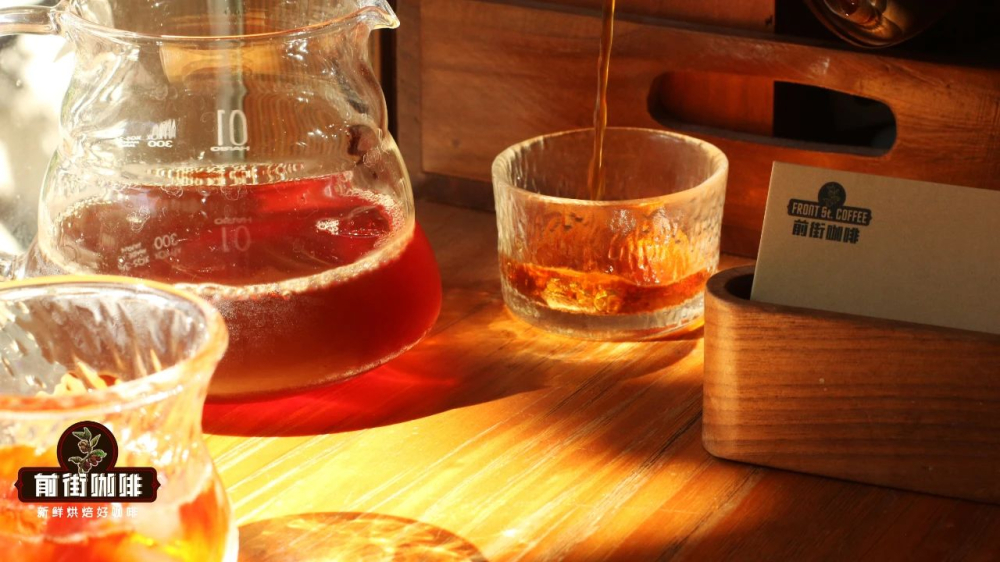
If you’d like to try pour overing this Sidra at home, you can refer to the following parameters: use 15 grams of coffee grounds, set the coffee-to-water ratio at 1:15, control the water temperature at 91°C, and grind to a medium-fine level (recommended 80% passing through a #20 sieve). For brewing, it is recommended to use a three-stage pouring method: first pour 30 ml for a 30-second bloom; then pour 120 ml in small circular motions, and when the water level drops halfway, pour another 90 ml with the same fine stream. The total extraction time is advised to be around 2 minutes to fully release its flavor potential.
The above content is compiled by CoffeeHunters, a coffee news website.


