







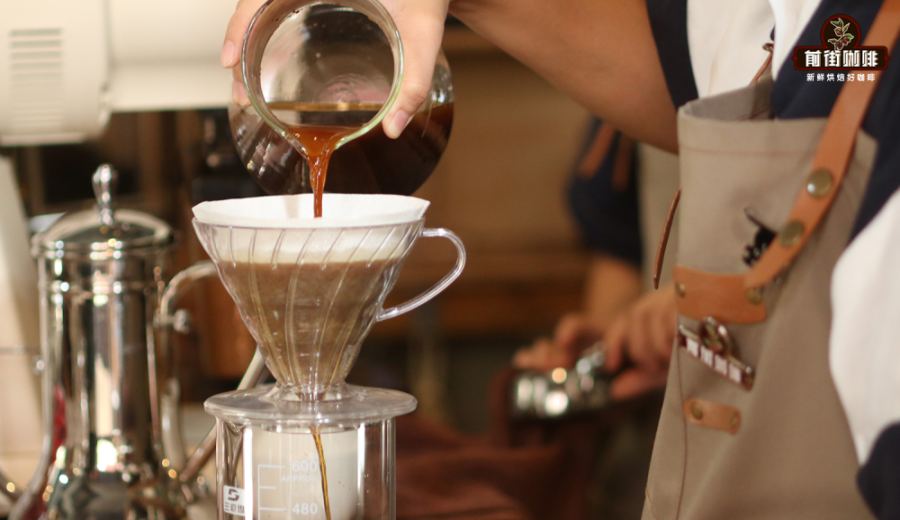
Introduction:Want to easily make a clean-flavored, well-balanced cold brew coffee at home? This article details the golden extraction parameters for cold brew, suitable types of coffee beans, and key points for making, drinking, and storing it. Whether you’re a beginner or experienced, you’ll find practical tips here to avoid common mistakes and enjoy professional-grade iced coffee at home this summer.
During the peak of summer, a refreshing glass of cold brew becomes the go-to choice for many coffee lovers. Making it at home is not only more economical than buying it, but also allows you to adjust it to your personal taste and enjoy the fun of DIY. In fact, making cold brew isn’t complicated — just master the coffee-to-water ratio, grind size, and steeping time, and you can easily achieve a clean, smooth iced coffee.
So, which type of coffee bean is best for cold brew? What’s the ideal steeping time? And how many days can it be stored after brewing? Below, we’ll answer these common questions in detail and provide practical brewing suggestions to help you master the essence of cold brew with ease.
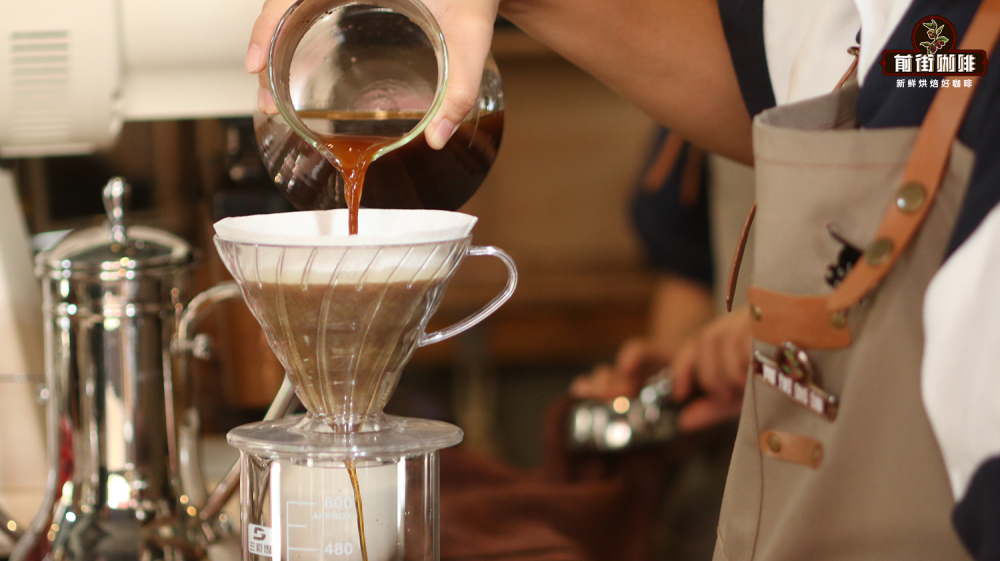
The barrier to making cold brew is relatively low, but to create a coffee with balanced flavor and layered complexity, you still need to pay attention to a few key elements. It’s generally recommended to use medium-coarse ground coffee, about the size of sea salt grains. This helps extend the extraction time while avoiding the bitterness caused by over-extraction. As for the coffee-to-water ratio, a commonly recommended range is 1:12 to 1:15 — that is, using 600 to 750 ml of water (including ice) per 50 grams of coffee grounds.
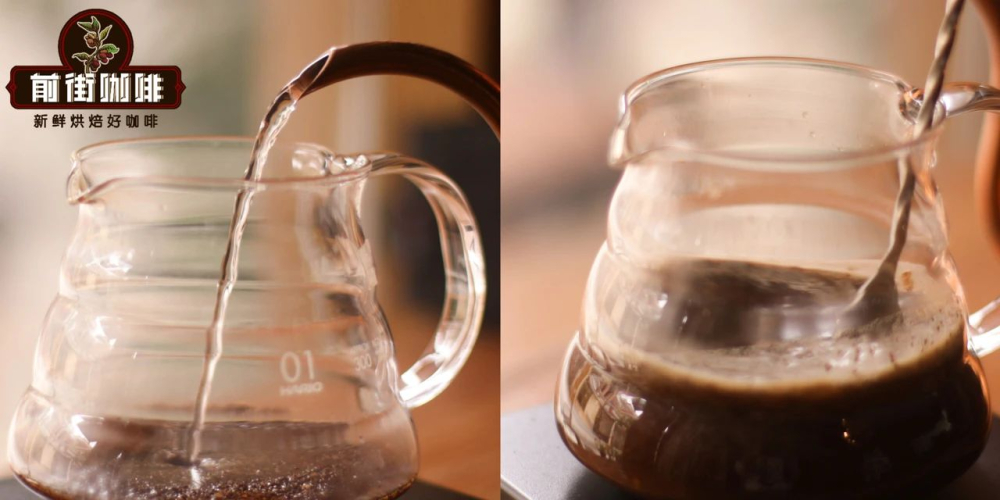
In practice, you can place the coffee grounds into a clean glass container or sealed jar, add a small amount of cold water to pre-wet the grounds, let them degas for about 30 seconds, then pour in the remaining cold water and ice. Stir well, seal, and refrigerate. The recommended steeping time is 12 to 24 hours, which you can adjust based on your preferred strength.
Not all coffee beans are suitable for cold brew. Since cold brew is extracted at a low temperature with slower flavor development, it’s recommended to choose medium to light roasted beans. These beans typically have brighter acidity and rich fruity notes, which can showcase a clean and refreshing character under low-temperature extraction.
Generally speaking, washed-process coffee beans are cleaner in processing with fewer off-flavors, making them more suitable for cold brew. Natural or honey-processed beans, while richer in flavor, may turn out too heavy during cold brew and should be chosen with care based on personal taste.
When making cold brew, ambient temperature significantly affects extraction results. Especially in high-temperature environments like summer, cold brewing at room temperature not only makes it hard to control the steeping time, but can also lead to over-extraction or bacterial growth. Therefore, it’s strongly recommended to cold brew in the stable 4°C environment of your refrigerator. This ensures precise control over extraction time and guarantees the safety and hygiene of your coffee.
The ideal cold brew parameters are: using about 50 grams of medium-coarse ground coffee, combined with 400 ml of cold water and 100 grams of ice (totaling approximately 600 ml of liquid), with a coffee-to-water ratio of about 1:12. After pre-wetting the coffee grounds with a small amount of cold water, add the remaining water and ice, stir well, seal, and refrigerate for 8 to 12 hours. Note that the extraction time should not exceed 16 hours to avoid unwanted off-flavors from over-extraction.
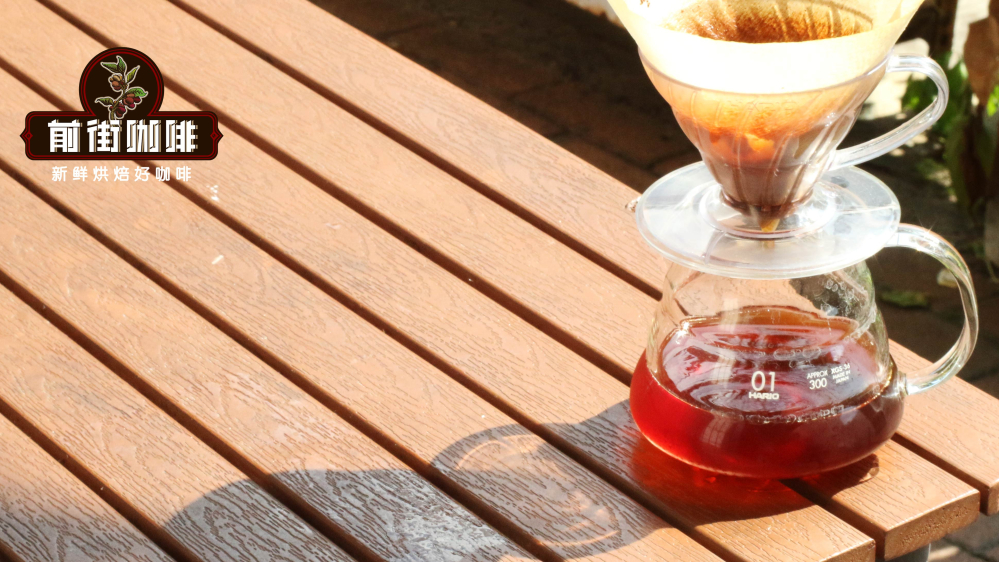
After extraction, use filter paper or a fine mesh sieve to filter out the coffee grounds, resulting in a clear coffee liquid. It’s recommended to reseal the filtered cold brew and let it sit in the refrigerator for another 2 to 4 hours to allow the flavors to further integrate, resulting in a smoother and rounder mouthfeel.
When tasting cold brew, it’s suggested to let it warm slightly to around 8–10°C. This temperature range better highlights the layered flavors of the coffee — not too harsh, nor so cold that it masks subtle flavor details.
Regarding storage, the filtered cold brew coffee can be kept sealed in the refrigerator for about 3 to 5 days. Although the flavor may become richer over time, the fridge is not a sterile environment, and each time you open the container, air is introduced, which may affect the coffee’s freshness. Therefore, for the best drinking experience and food safety, it’s recommended to consume it within a week and avoid long-term storage.
The above content is compiled by CoffeeHunters, a coffee news website.


