







Introduction:After being introduced to Panama from Ethiopia, Geisha coffee quickly rose to prominence in the specialty coffee world with its unique flavor profile and high quality. This article details the origin of the Geisha variety and its global journey, analyzes the grading standards of two renowned producing regions—Hacienda La Esmeralda and Geisha Village Estate—and delves into their dry fragrance, wet aroma, and flavor characteristics. It also compares the differences between Ethiopian and Panamanian producing regions to help readers fully understand the mysteries of this top-tier coffee.
Geisha coffee is hailed as a legend in the specialty coffee industry. From its origins as a wild variety in the deep mountains of Ethiopia to becoming a star at Panama’s international auction, its development journey is filled with legendary tales. This article will take you through the origin of the Geisha variety, the global dissemination background, the grading systems of major producing estates, and an in-depth analysis of its flavor characteristics. Whether you are new to specialty coffee or a coffee enthusiast eager to learn more about Geisha, you’ll find practical information here.
The Geisha variety can be traced back to the Gori Gesha forest in Ethiopia. According to records, a British consul collected seeds of this coffee in the 1930s from the area. By the 1950s, the variety was introduced to the CATIE agricultural research center in Costa Rica, and then in the 1960s, it was brought to Panama by officials from the Panamanian Ministry of Agriculture and distributed to several farms in the Boquete region, including Jaramillo, for trial planting.
After taking over the Jaramillo farm, Hacienda La Esmeralda discovered that some of the coffee trees had unique growth characteristics—slender branches and sparse leaves, particularly excelling at altitudes above 1,500 meters. With careful cultivation by Daniel Peterson, these coffee trees won first place in the 2004 Best of Panama (BOP) competition, and from then on, the name “Geisha” became known worldwide.
With Geisha’s success in Panama, the variety quickly garnered international attention, with auction prices repeatedly hitting record highs—sometimes soaring to several hundred dollars per pound of green beans. Its success also prompted the industry to retrace the roots of Geisha, eventually leading Adam and William to discover plants similar to those in Panama in an area about 12 miles from the Gori Gesha forest in 2007, where they established Geisha Village Estate.
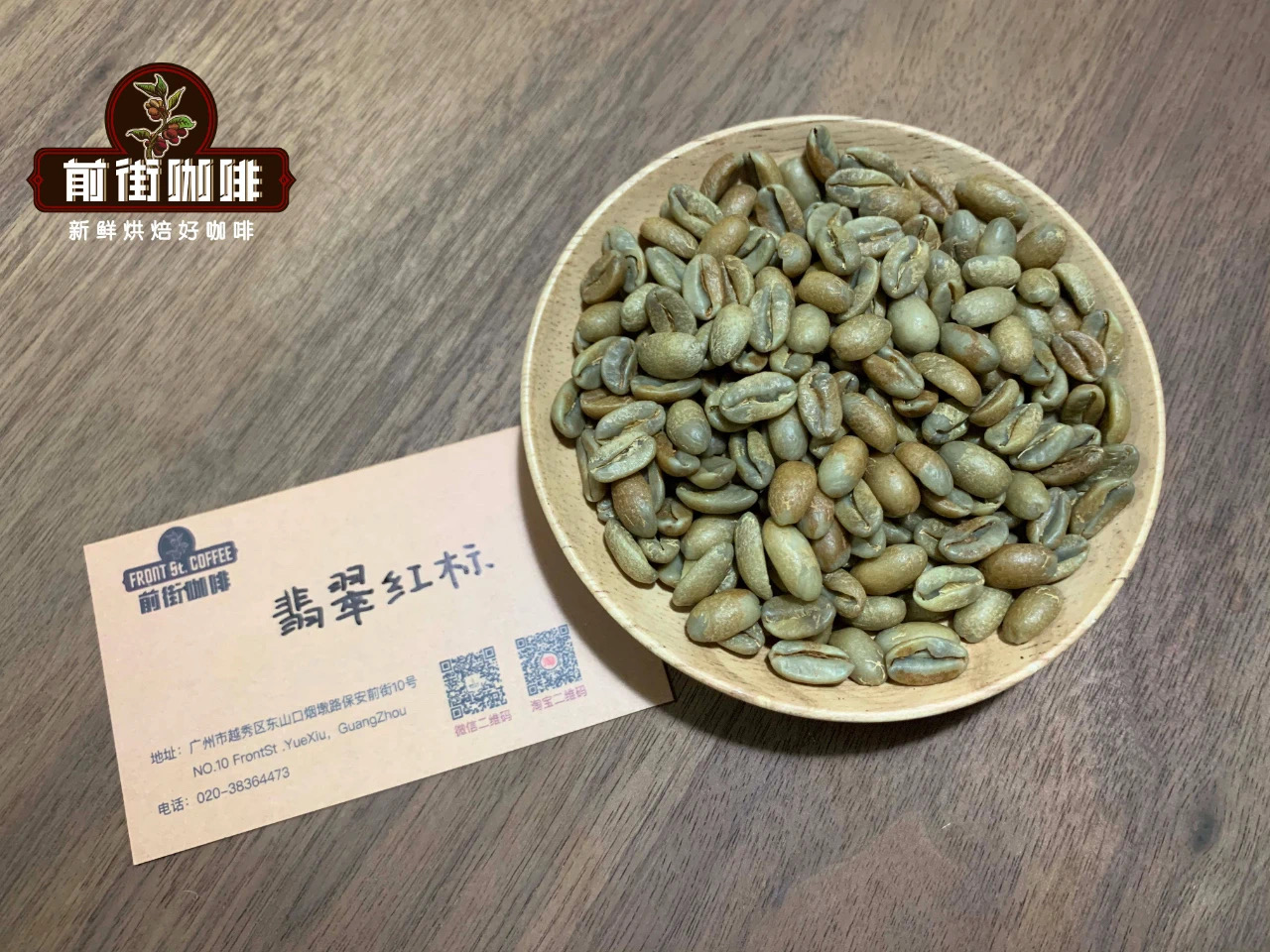
Many coffee enthusiasts often wonder: Are Ethiopian Geisha and Panamanian Geisha the same variety? Observations show that although they share the same name, there are clear differences in both appearance and flavor characteristics. Some coffee merchants have compared Geisha beans from both regions and found significant differences in green bean appearance, processing methods, and final flavor profiles.
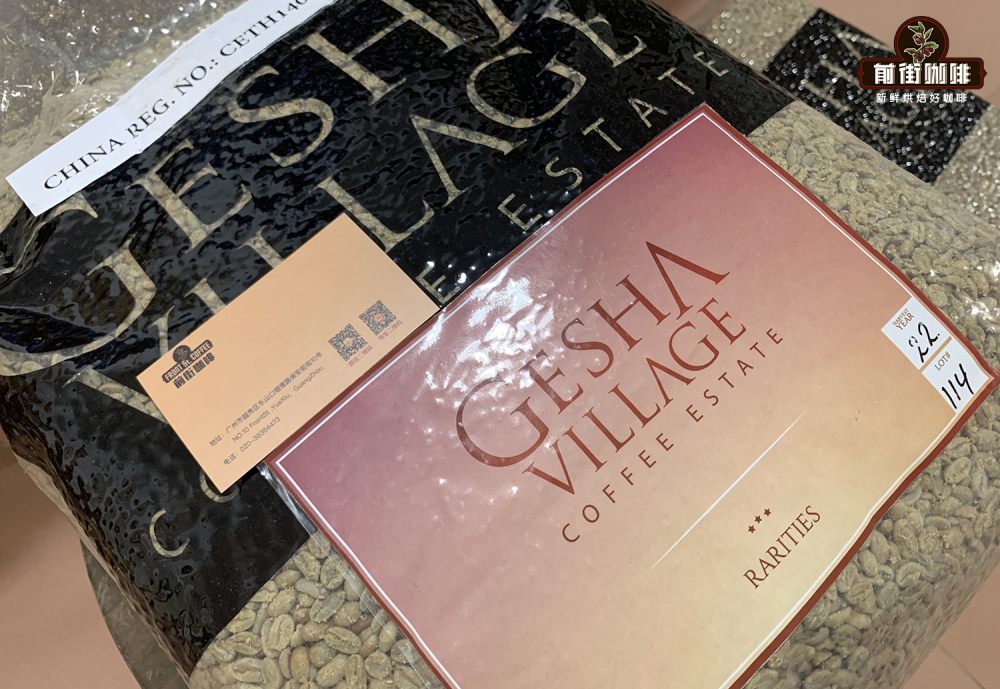
In terms of grading systems, Geisha Village Estate shares similarities with Hacienda La Esmeralda but also has its own unique classifications. The “Gold Label (Rare)” grade accounts for only 10% of total production and represents the top non-auction batches, often selected for international coffee competitions. The “Red Label (Grower’s Reserve)” makes up about 15% and must score 88 or above on the SCA 100-point scale. The “Green Label (Single Terroir)” emphasizes the uniqueness of the producing region, with each batch traceable to a specific plot and labeled with detailed information such as farm name, variety, and processing date. Additionally, the “Chaka Series” is a blended recipe combining beans from various regions and seasonal premium lots.
Turning to Panama, Hacienda La Esmeralda is undoubtedly the representative of Geisha coffee. Since winning at the BOP in 2004, the estate has been dedicated to distinguishing Geisha from other varieties and continuously optimizing processing methods and grading systems. Hacienda La Esmeralda categorizes its Geisha into three main grades: Blue Label, Green Label, and Red Label. Its Geisha plantings are mainly concentrated in three blocks—Jaramillo, Cañas Verdes, and El Velo—and further subdivided into 22 small plots, constantly seeking the microclimates and soil conditions most suitable for Geisha. In 2022, the estate expanded its territory by acquiring Finca San Pascual to further enhance the quality potential of Geisha.
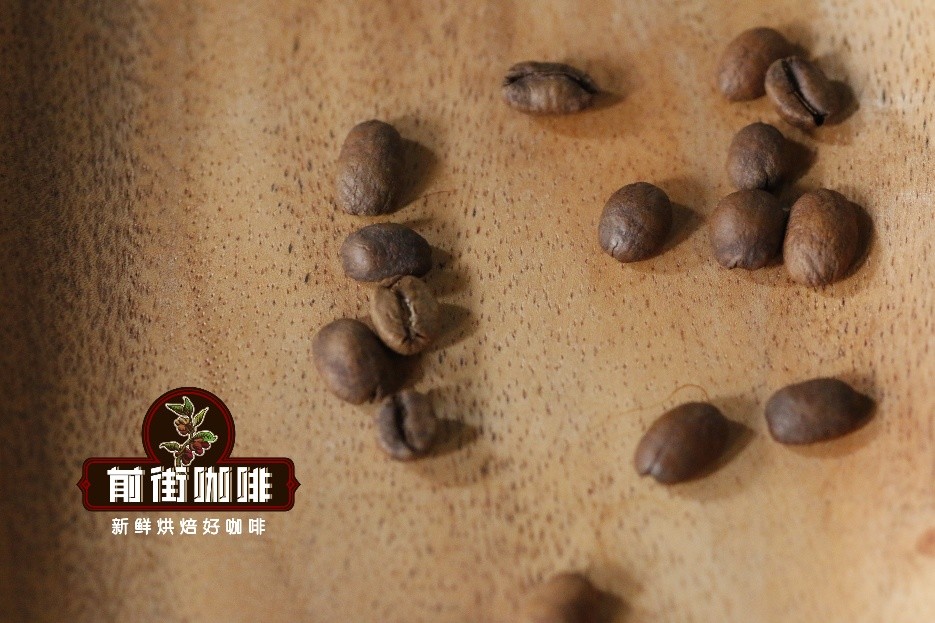
In terms of flavor profile, Geisha coffee exhibits enchanting floral aromas in its dry fragrance, such as rose and jasmine, accompanied by the fresh scents of citrus and pomelo. Light roasts may even reveal the warmth of nuts. The wet aroma stage releases a rich hazelnut scent along with more layers of floral fragrance.
Upon tasting, Geisha offers a mild and delicate flavor. As the temperature drops, floral and fruity aromas gradually unfold, especially in the aftertaste, which showcases excellent cold aroma notes such as sweet dried fruit, rosehip, orange glaze, strawberry jam, alongside subtle layers of pine, cherry, vanilla, and rose. The finish leaves a refreshing lemon fruitiness with a pronounced and lingering sweet aftertaste, making it an unforgettable premium coffee experience.
The above content is compiled by CoffeeHunters, a coffee news website.


