







Introduction:Want to make your pour-over coffee more layered and aromatic? Beyond convenience, the correct brewing method is key. This article explores how to optimize the extraction of every cup of drip coffee by focusing on four aspects: coffee-to-water ratio, water temperature control, pouring technique, and grind size—helping you avoid common mistakes for a cleaner, brighter, and more complex cup.
Drip coffee is loved by many coffee enthusiasts for its convenience, but to truly brew a cup with outstanding flavor and distinct layers, some key details must be considered. This article delves into how to achieve the best results by controlling the coffee-to-water ratio, selecting the appropriate water temperature, using the correct pouring method, and understanding how grind size affects flavor—allowing your drip coffee to perform at its best.
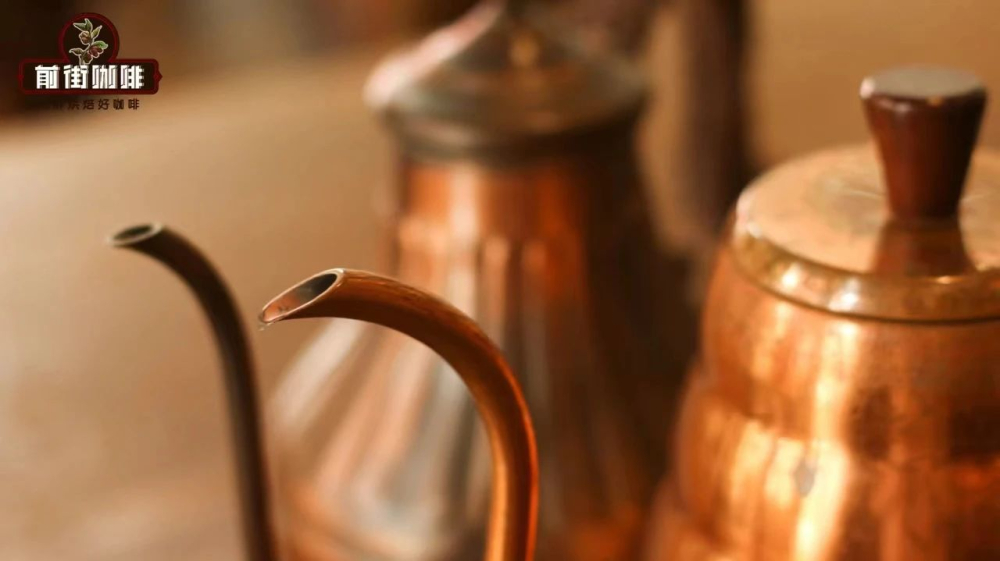
First,it is recommended to use a gooseneck kettle for pouring.Avoid brewing directly from a water dispenser nozzle. The high pressure and unstable flow from a dispenser can lead to uneven coffee extraction, releasing excessive off-flavors and bitterness. Using a gooseneck kettle allows for a more stable and even water flow to saturate the coffee grounds, helping to fully extract the flavors while reducing the risk of over-extraction. A steady pour also aids in better channeling, ensuring each coffee particle releases its aroma evenly.
Regarding the grind size of coffee, most commercially available drip coffee bags come pre-ground, and consumers usually cannot adjust it themselves. However, the recommended grind size varies depending on the roast level.For light-roast drip coffee, such as those with floral and fruity notes, the grind is typically similar to that of fine sugar.This grind helps bring out bright acidity and fruity aromas. On the other hand,dark-roast drip coffee, such as those with nutty or chocolatey flavors, often uses a coarser grind similar to coarse sugar.This helps highlight a rich and low-acid profile. Knowing which roast type your drip coffee belongs to can help you anticipate its flavor direction and adjust your expectations.
The coffee-to-water ratio is a core factor influencing the intensity and clarity of coffee flavor. Common ratios range between 1:10 and 1:20. Though the differences may seem small, they can significantly alter the taste.It is generally recommended to use a ratio of around 1:15—that is, 1 gram of coffee to 15 milliliters of water—as this achieves a balance between flavor and strength.For precise control, it’s advisable to use a measuring cup with markings to avoid pouring water by feel, which could result in a brew that is either too strong or too weak. Overly strong brews may bring out excessive bitterness and off-flavors, while overly weak ones may fail to fully express the aroma and sweetness.
Finally,water temperature control is equally crucial, with a recommended range of 85°C to 95°C.If the water is too hot, it can over-extract the coffee’s fibrous components, resulting in a harsh mouthfeel and unpleasant off-tastes. Conversely, water that is too cool may under-extract, leaving the coffee tasting thin, overly acidic, or lacking in complexity. While you don’t need to be as precise as with pour-over to the degree, using a thermometer is recommended. If no thermometer is available, pouring boiled water into a gooseneck kettle and letting it sit for about two minutes will usually allow it to cool to a suitable range naturally.
In summary, by mastering the use of a gooseneck kettle, maintaining an appropriate coffee-to-water ratio, using suitable water temperature, and understanding the roast and grind characteristics of your drip coffee, you can easily elevate the quality of your home-brewed drip coffee. These seemingly small details can bring a remarkably different taste experience, making each cup more professional and layered.
The above content is compiled by CoffeeHunters, a coffee news website.


