







Introduction:Jamaica Blue Mountain coffee has long been hailed as one of the world’s top-tier coffees. Its price used to be prohibitively high, but with market liberalization and adjustments in production and sales, it has become more accessible. This article delves into the true pricing, grading system, and unique flavor profile of Jamaica Blue Mountain No. 1, along with expert pour over recommendations and parameters to help you fully understand the charm of this classic bean and how to enjoy it properly.
When it comes to high-quality and expensive coffee, many coffee enthusiasts first think of Jamaica Blue Mountain. In the past, a single 200ml cup of authentic Blue Mountain coffee often cost over 60 RMB, deterring many consumers. However, with the rise of global specialty coffee culture and Jamaica officially lifting Japan’s priority purchasing rights in 2012, the supply of Blue Mountain coffee has gradually become more widespread, and its price more reasonable.
Currently, Jamaica Blue Mountain No. 1 coffee beans available on the market are priced at approximately 158 RMB per 100g, while a freshly brewed 200ml cup typically retails for around 60 RMB. If you’re curious about the flavors, grading differences, reasons behind price changes, and how to brew it to achieve its best performance, the following analysis will provide answers to all your questions.
The reason Blue Mountain coffee was so expensive in the past is mainly due to its limited production and unique sales distribution mechanism. The annual total output of Blue Mountain coffee is only about 900 tons, with up to 90% historically exported to the Japanese market for a long time, leaving the remaining portion for other regions globally. Additionally, the rugged terrain of the Blue Mountains means harvesting is entirely manual, production costs are inherently high, and limited supply has kept prices elevated.
This Japanese market monopoly can be traced back to 1969. At that time, Japan assisted Jamaica in rehabilitating the Blue Mountain region damaged by hurricanes. In 1972, the Jamaican government signed an agreement granting Japan priority purchasing rights. For many years afterward, Blue Mountain coffee became almost exclusive to the Japanese market. It wasn’t until 2012, when the Jamaican government terminated the agreement, that consumers in other countries also gained the opportunity to taste this classic coffee, and its price gradually adjusted to a more affordable level.
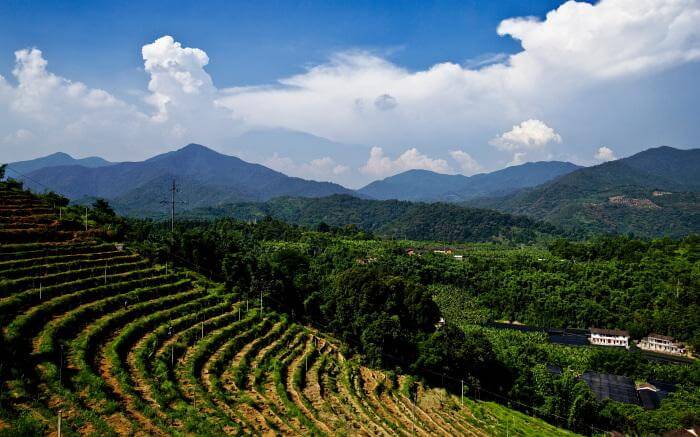
So why does Blue Mountain coffee receive such high praise? The key lies in its exceptional growing environment and varietal characteristics. The coffee grown in the Blue Mountains is all the ancient Arabica Typica variety, known for its clean and delicate flavor. Coupled with the region’s mineral-rich volcanic soil and stable warm, rainy climate—especially when cultivated at high altitudes between 910 and 1700 meters—it produces coffee with a balanced acidity and sweetness, and a rich mouthfeel.
The Jamaican government has strict regulations on the use of the name “Blue Mountain Coffee.” Only coffee grown within the above altitude range qualifies to be called Blue Mountain. Coffee grown between 460 and 909 meters is called “Jamaica High Mountain Coffee,” and anything below 460 meters is labeled “Jamaica Prime Coffee”—neither can be called Blue Mountain.
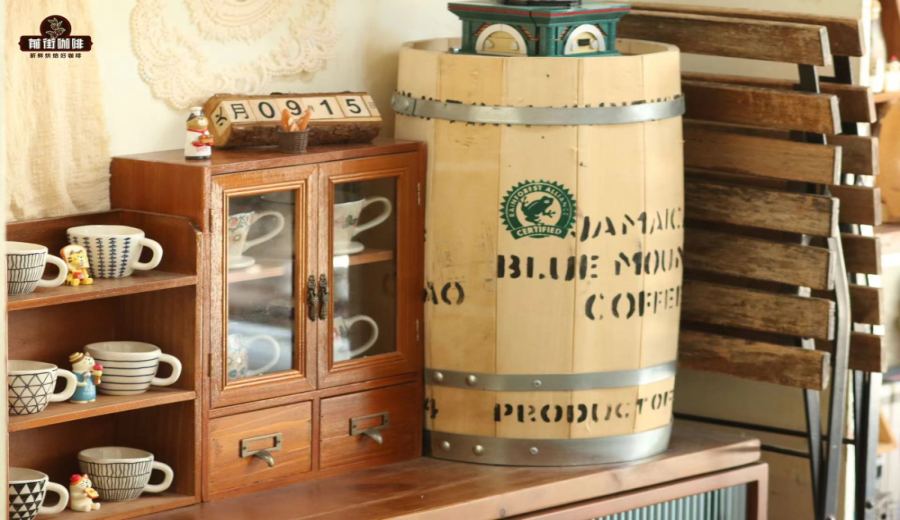
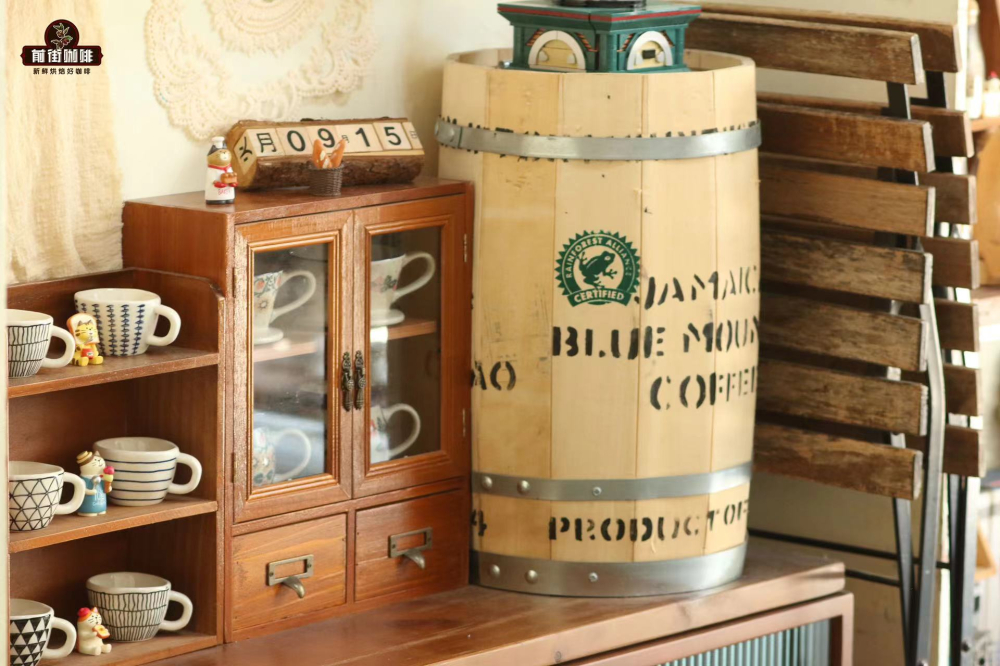
How can you ensure you’re purchasing authentic Jamaica Blue Mountain No. 1 coffee? According to the grading system of the Jamaica Coffee Industry Board (CIB), Blue Mountain coffee is divided into No. 1, No. 2, No. 3, and Peaberry. Among them, No. 1 is the highest grade, and most imported into Chinese-speaking markets fall into this category. Its certification standards include: at least 96% of the coffee cherries must be size 17 or larger, and the post-processing defect rate must not exceed 2%. Additionally, Blue Mountain No. 1 is always shipped in wooden barrels to ensure quality.
When selecting, observe the appearance of the coffee beans: Blue Mountain No. 1 beans are plump, oval-shaped, with slightly upturned ends, and have a uniformly consistent overall appearance. It’s recommended to request official Jamaican quality certification, authorized sales documents from the producer, or a certificate of origin from the supplier to ensure authenticity. In some specialty coffee shops, you may even see the original wooden barrels and related certification documents.
To brew a cup of Jamaica Blue Mountain No. 1 coffee with balanced flavor and layered complexity, choosing the right roast level and extraction method is crucial. It’s generally recommended to roast Blue Mountain No. 1 to a medium-dark level to bring out the rich notes of dark chocolate and roasted nuts, while preserving moderate acidity and sweetness.
For equipment, the Kono filter cone is recommended due to its unique short rib design, which allows the filter paper to adhere tightly to the cup wall, effectively slowing down the water flow rate and thereby enhancing extraction stability and mouthfeel richness. Since medium-dark roasted coffee releases its compounds more quickly, it’s advisable to use slightly lower water temperature and flow control to avoid over-extraction.
In practice, the following pour over parameters are suggested: Use the Kono filter cone, water temperature around 88°C, coffee-to-water ratio of 1:15, 15g of coffee grounds, and grind size controlled to achieve a 70%–75% extraction rate through a #20 sieve. The specific steps are: First, pour 30g of water for blooming for about 30 seconds; then pour up to 125g of water, and when the water level drops halfway, continue pouring to a total of 225g, with the total extraction time controlled to around 2 minutes and 10 seconds.
Through this extraction method, the dominant notes of dark chocolate and nuts in Jamaica Blue Mountain No. 1 coffee can be fully highlighted, paired with a creamy smooth mouthfeel. The balance of acidity, sweetness, and bitterness is well-executed, with a lingering aftertaste—making it a classic flavor profile cherished by many seasoned coffee aficionados.
The above content is compiled by CoffeeHunters, a coffee news website.


