







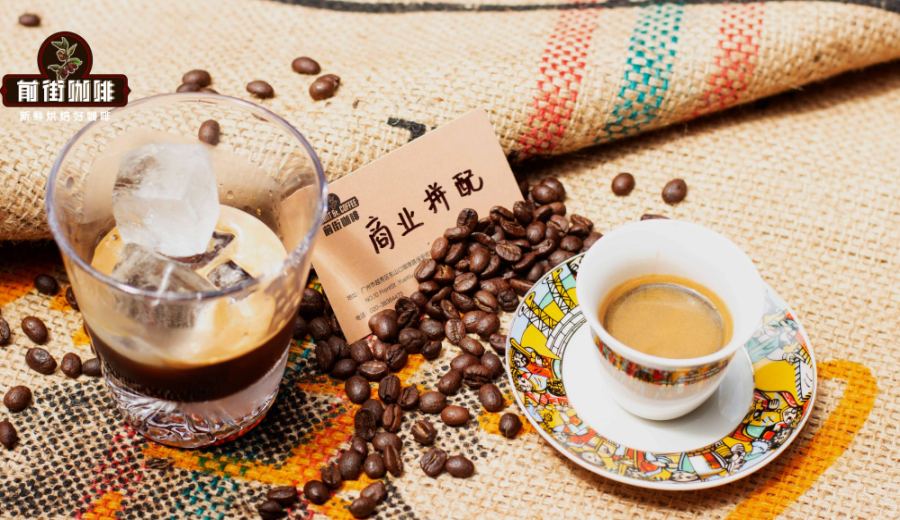
Introduction:When opening a coffee shop or running an espresso bar, selecting the right commercial blend is crucial. This article provides an in-depth analysis of two common commercial blending strategies, covering the ratio of Robusta to American beans, the flavor characteristics of medium-dark roasts, and how blends can achieve balanced espresso performance. From crema richness and sweet-acid balance to practical usability, it offers practical bean selection insights for shop owners and coffee enthusiasts alike.
In the process of running a coffee shop or making espresso, choosing the right commercial blend is one of the key factors that influence the flavor and quality of the final product. This article will focus on two common commercial blending strategies. One incorporates 10% Robusta beans to enhance the crema layer and body of the espresso, making it particularly suitable for making specialty coffee drinks and latte art. The other primarily uses American beans from Brazil and Colombia, roasted to a medium-dark level, delivering a balanced profile of mild acidity, subtle sweetness, and nutty aftertaste, with strict hand-selection of defective beans during the green bean processing stage.
The first commercial blend introduced here is mainly designed to meet the needs of large chain coffee shops. It is based on beans from American growing regions, with a deliberately added 10% Robusta. This proportion effectively enhances the crema richness and overall richness of the espresso. The resulting shot is not only smooth and delicate but also has a moderate bitterness for support, resulting in a very full-bodied taste. Whether making milk-based drinks like lattes and cappuccinos or pairing with syrups and other flavorings, it delivers stable and consistent flavor performance.
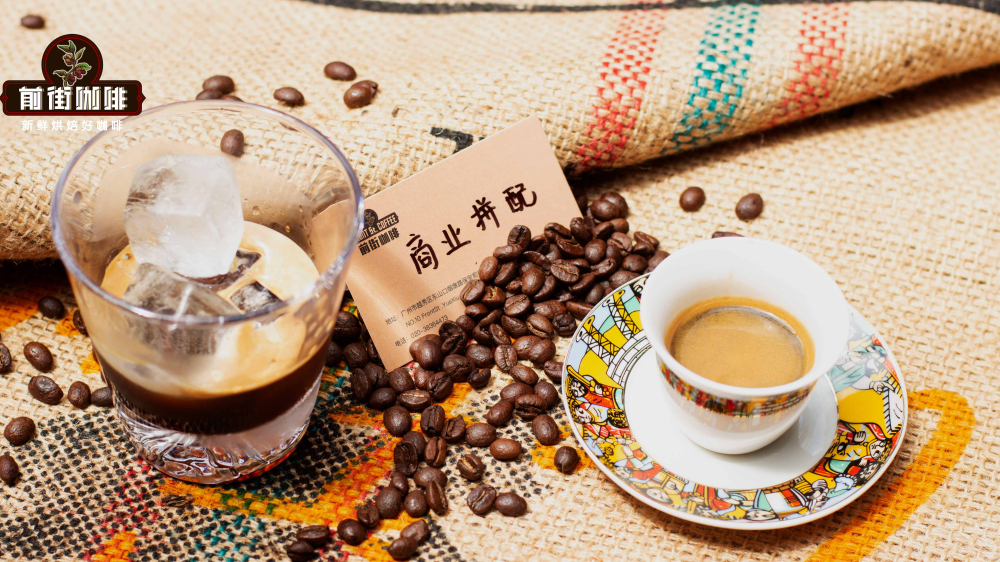
The other premium blend is a long-standing stable choice used by many coffee shops, often adopted six months after opening and continuing to this day. This blend is primarily made up of Brazilian and Colombian American beans, roasted to a medium-dark level. Its original design intention was to highlight nutty and naturally sweet tones while controlling the emergence of excessive bitterness or astringency. Through medium-dark roasting, the resulting espresso offers a slight initial acidity that transitions into a clean sweetness and nutty finish. The overall flavor profile is less sharp, presenting a soft and balanced character. Its crema performance is of a moderate level, and all beans undergo a hand-selection process to remove defects, ensuring pure bean quality.
To make an ideal shot of espresso, the design of the blend is the first critical step. A great espresso must balance sweetness with overall flavor harmony, with elements such as bitterness, acidity, sweetness, and aftertaste all working in coordination. A single-origin or single variety bean often struggles to meet all these criteria simultaneously, so blending beans from different origins or adjusting roast levels becomes a necessary approach to achieving flavor equilibrium. Blending strategies may include combining beans from different regions or applying multi-stage roasting to the same bean variety. The core goal is always to create an espresso with rich flavor layers and balanced mouthfeel.
It’s worth noting that many industry professionals believe that adding a moderate amount of Robusta to traditional espresso can help enhance flavor intensity and crema performance. In fact, well-known international brands, including Lavazza, have publicly acknowledged the use of Robusta in their formulations to strengthen the structure and depth of espresso.
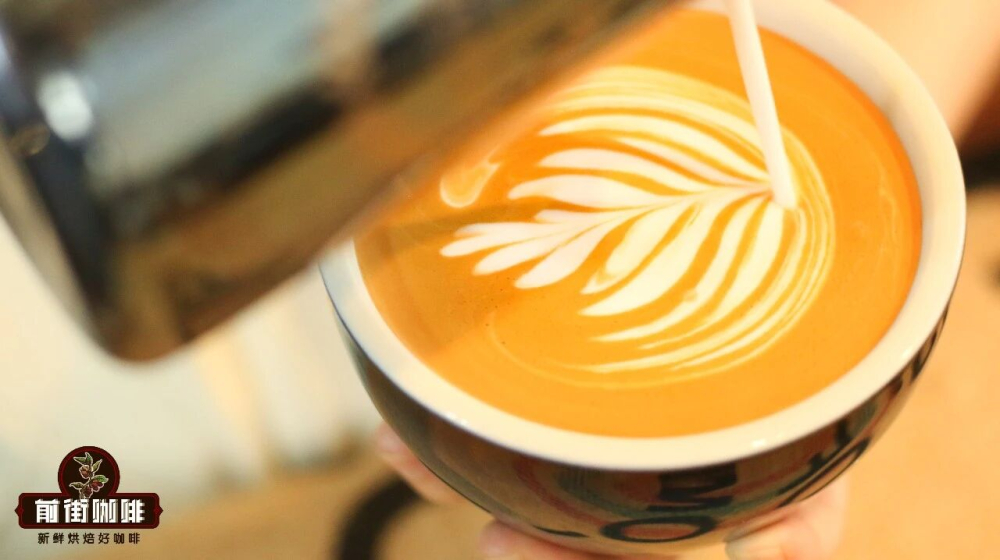
In summary, when selecting a commercial espresso blend, it's essential to consider overall factors such as crema performance, sweet-acid balance, roast depth, and practical operational needs. Whether you prefer a bold, rich Robusta blend or a fresh, balanced medium-dark American bean combination, understanding the characteristics and suitable scenarios of each type of blend will help shop owners craft coffee products that align with their brand style and are well-received by customers.
The above content is compiled by CoffeeHunters, a coffee news website.


