








Introduction:Can coffee beans still be consumed after they’ve been stored for a long time and expired? What’s the difference between best-before date and shelf life? This article delves into why coffee bean flavors deteriorate over time, explains the safety of expired beans, and offers practical pour over practice, cleaning/deodorizing, and beauty reuse tips to help you smartly handle beans that are no longer fresh.
After buying coffee beans and bringing them home, it’s common to not finish them in time for various reasons. By the time you remember, they may have exceeded their optimal flavor period or even passed the printed expiration date. Are these beans still suitable for drinking? How will their flavor change? What’s the difference between best-before and expiration dates? And if they can no longer be brewed, what creative ways can you reuse them? This article will thoroughly analyze the journey of coffee beans from fresh to expired, helping you determine whether they’re still enjoyable and providing multiple practical upcycling suggestions.

Many coffee enthusiasts understand that freshly roasted coffee beans can deliver the richest and most layered flavors. Over time, carbon dioxide inside the beans gradually escapes, and aromatic compounds also dissipate. When the CO₂ is almost completely gone, it indicates that the coffee beans have entered the flavor decline phase. Brewing with such beans often results in coffee that tastes flat and lacks complexity—far from how it performs when fresh.
Generally speaking, starting from the roast date, after more than60 days, it can be considered the limit of a coffee bean’s best-before period; for coffee aficionados with higher flavor expectations, even30 daysis seen as the point where taste begins to noticeably degrade. Based on actual brewing experience, as long as the beans are stored properly—for example, in an airtight container away from light and in a dry environment—most coffee beans can still maintain a decent flavor performance within40 to 50 days. However, once opened and not properly resealed, they typically start to lose flavor noticeably after around30 days. A clear sign that the beans are no longer fresh is when you notice the beans no longer expand during blooming.
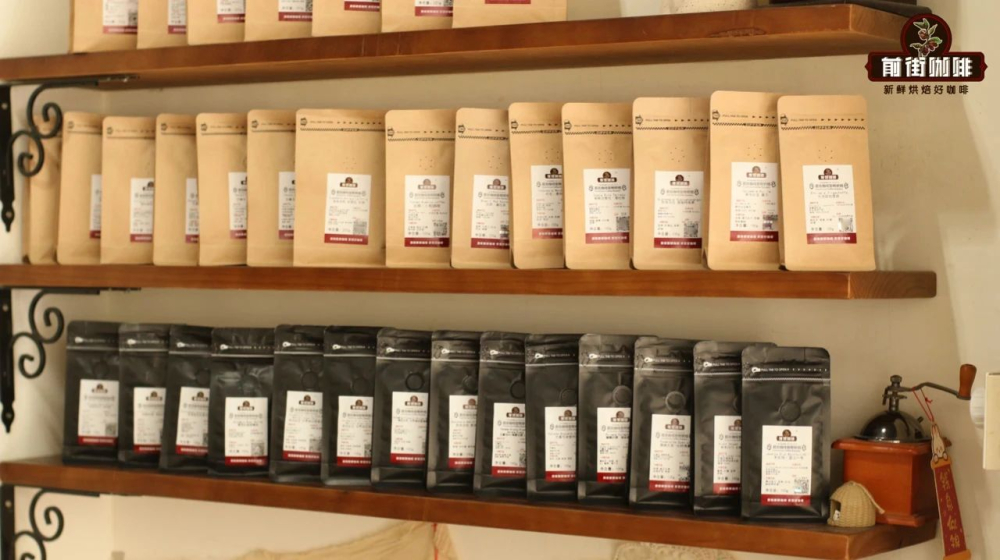
It’s important to clarify that although loss of freshness significantly affects flavor performance, from a food safety perspective, expired coffee beans are still safe to drink. Generally, roasted coffee beans can be stored for up toone year. During this period, as long as there’s no mold, off-odors, or insect contamination, they are generally not harmful to health.
If you find that your coffee beans have passed the package’s expiration date, the simplest way to deal with them is to use them for practice. You can use them to practice your pour over skills, try different siphon brewing parameters, or practice espresso extraction timing and pressure control—all great applications.
Expired coffee beans can also serve many practical purposes in daily life. Ground coffee powder works surprisingly well as a natural cleaner—it can be used to polish copperware and restore its shine, or mixed with a little water to scrub wooden floors. Putting coffee powder in a cloth bag can effectively remove stubborn stains from stovetops and pot lids; additionally, rinsing countertops or toilet drains with boiled expired coffee helps eliminate built-up grime and odors.
For skincare, grinding expired coffee beans into fine powder and mixing them with commonly used hand soap, olive oil, or body wash allows you to massage your hands and body. This natural coffee scrub can effectively remove dead skin cells, promote skin metabolism, and leave skin feeling smoother and softer.
Expired coffee grounds are also great for everyday deodorizing. Placing coffee grounds in ashtrays can neutralize smoke odors while emitting a faint coffee aroma, which can also help reduce the temptation of smoking for those trying to quit. Ovens often accumulate greasy smells over time; placing a tray of dried coffee grounds inside and heating them can effectively absorb lingering food odors. For households with pets, sprinkling some coffee grounds in areas after cleaning up pet waste can noticeably reduce unpleasant smells.
The above content is compiled by CoffeeHunters, a coffee news website.


