







Introduction:Jamaica Blue Mountain coffee is renowned worldwide for its exceptional balance and delicate flavors. However, the production of genuine Blue Mountain No. 1 coffee beans that meet the standards is extremely limited, and both its production criteria and grading system are highly rigorous. This article will delve into the four major growing regions of Blue Mountain coffee, the CIB’s strict grading standards, the sustainable farming practices of Clifton Estate, and provide professional pour-over recommendations and parameter settings to guide you from bean selection to brewing, mastering the appreciation techniques of this world-class coffee in its entirety.
Jamaica Blue Mountain coffee has long been hailed as the pinnacle of the coffee world. Its greatest charm lies in the perfect harmony of acidity, sweetness, bitterness, and mellowness, delivering a rich and layered drinking experience. However, the production of Blue Mountain No. 1 coffee beans that truly meet the certification standards of the Jamaica Coffee Industry Board (CIB) is very low, making it a true rarity in the coffee world. This guide will take readers through the core growing regions of Blue Mountain coffee, its official grading system, eco-friendly production philosophy, and offer practical pour-over tips and parameters to help you better understand and enjoy the unique charm of this legendary coffee.
The so-called Jamaica Blue Mountain No. 1 coffee beans are the key to the reputation of Blue Mountain coffee. This coffee boasts a rich and layered aroma, with gentle acidity, pronounced sweetness, low bitterness without astringency, and a finish that features distinct caramel and nutty aftertastes. It is smooth and full-bodied on the palate, making it the dream bean for many coffee enthusiasts. For this reason, Blue Mountain No. 1 is not only the pride of Jamaica but also one of the most sought-after top-tier coffees in the global market.
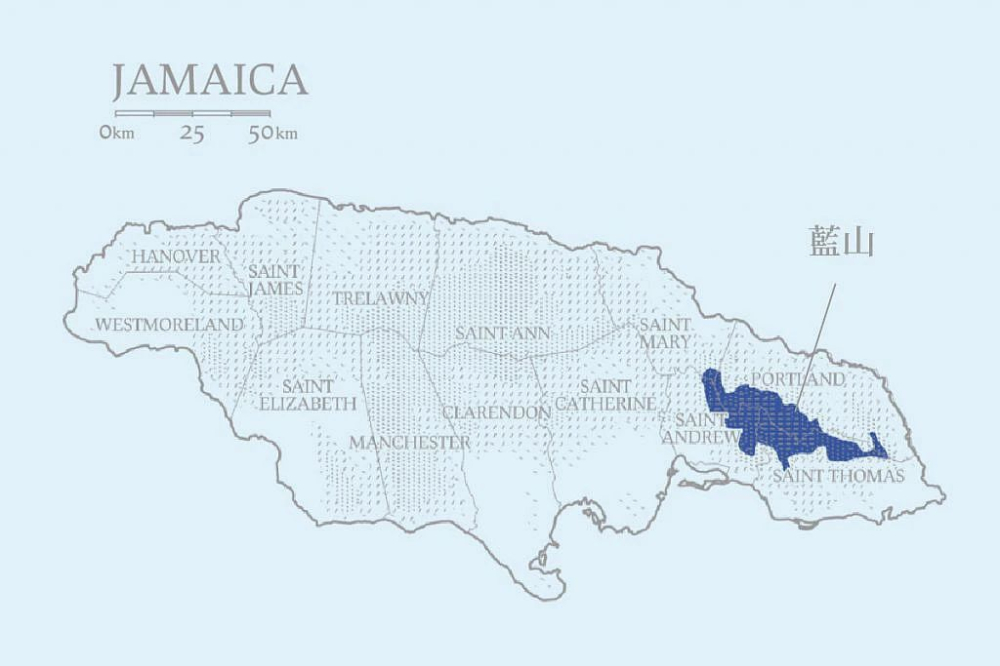
The reason Blue Mountain coffee is named as such is because it is grown in the Blue Mountains of northeastern Jamaica. However, not all coffee produced in the mountainous region can be called Blue Mountain coffee. According to the strict regulations of the Jamaica Coffee Industry Board (CIB), only Arabica coffee beans grown at altitudes between 910 meters and 1700 meters qualify as “Jamaica Blue Mountain coffee.” Coffee grown at lower altitudes is categorized as “Jamaica High Mountain coffee” or “Jamaica Prime coffee.” Overall, the main growing regions of Blue Mountain coffee include four areas: St. Mary, St. Thomas, St. Andrew, and Portland.
The Blue Mountain region, surrounded by the Caribbean Sea, enjoys a typical island-type tropical rainforest climate with concentrated rainfall during the rainy season but good drainage. Coupled with fertile volcanic soil, coffee trees can thrive healthily in an environment that requires almost no artificial irrigation or fertilization. Additionally, the area is often shrouded in clouds and mist, with cool temperatures, which are particularly conducive to the slow maturation of coffee trees and the accumulation of flavor compounds. Interestingly, many local farmers plant coffee alongside banana trees on the slopes of Blue Mountain, using the banana trees to provide shade and organic nutrients, further enhancing the quality of the coffee.
Jamaica is one of the few regions in the world that placed early emphasis on the concept of “terroir” in coffee. When evaluating the quality of Blue Mountain green beans, multiple factors are comprehensively assessed, including the bean size, defect ratio, appearance uniformity and color, as well as cupping performance after roasting—such as dry fragrance, wet aroma, acidity, sweetness, body, cleanliness, and overall balance. These stringent evaluation criteria have also contributed to the high status of Blue Mountain coffee in the market.
Based on the above quality factors, Blue Mountain coffee is divided into four main grades, in order: Blue Mountain No. 1, Blue Mountain No. 2, Blue Mountain No. 3, and Blue Mountain Peaberry. Among them, Blue Mountain No. 1 is the highest grade, requiring green beans to be 17 mesh or larger, with a defect rate below 3% and a moisture content of around 13%. In cupping, Blue Mountain No. 1 should exhibit rich aroma, balanced flavor, gentle acidity, and a long-lasting aftertaste. According to CIB export specifications, Blue Mountain No. 1 green beans must be 17 mesh or larger, with a defect rate not exceeding 2%, and a moisture content generally between 10% and 12.5%. These strict standards result in an extremely limited quantity of top-tier Blue Mountain beans being released for export.
Clifton Mount Estate is one of the key growing regions of Blue Mountain coffee and one of the few coffee farms certified by the Rainforest Alliance. The estate adheres to environmentally friendly and sustainable practices throughout its entire production process—from planting, harvesting, processing, to exporting—striving to minimize environmental impact and achieving the recycling of wastewater from the processing plant. If you receive Blue Mountain green beans packed in a round wooden barrel with a green “frog logo,” that is the quality assurance mark of Clifton Mount Estate.
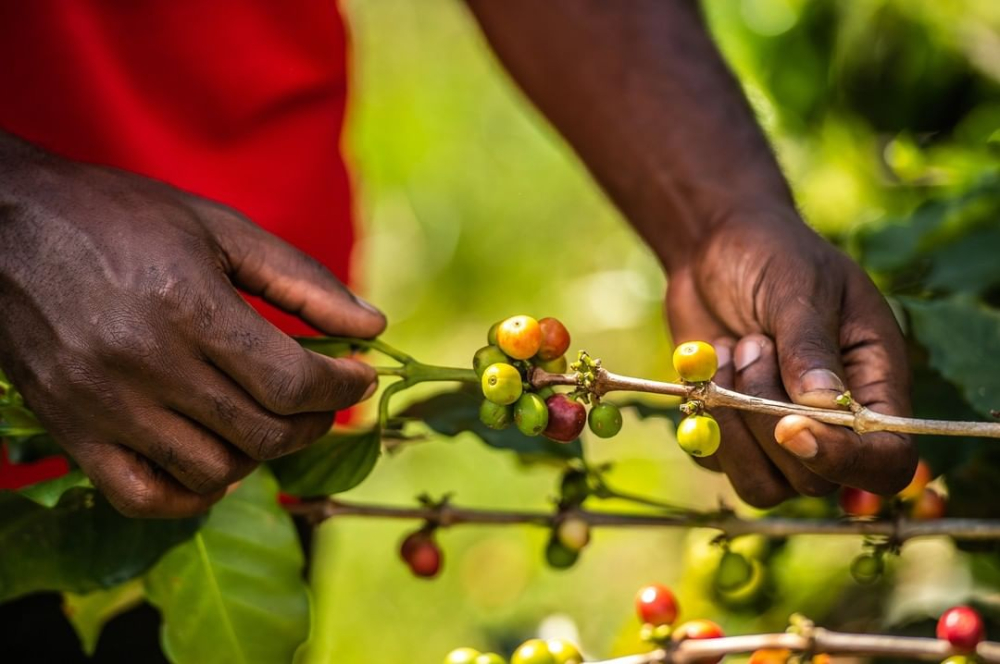
For brewing Blue Mountain No. 1, it is recommended to use freshly roasted beans, as coffee beans typically reach their peak flavor between the 4th and 7th day after roasting, when their aroma and taste performance are at their best. If past the optimal tasting period, even the highest quality beans may suffer in overall performance due to aroma loss. Therefore, choosing freshly roasted Blue Mountain No. 1 is key to enjoying its classic flavors.
For coffee enthusiasts trying Blue Mountain No. 1 for the first time, it is recommended to brew using the pour-over method to more clearly experience its layered characteristics as the temperature changes. During brewing, it is advised to use a medium-coarse grind (approximately 75% passing through a 20-mesh sieve), with water temperature controlled between 87–88°C to avoid over-extraction and excessive bitterness caused by too high a temperature. A recommended powder-to-water ratio is 1:15, with about 15 grams of coffee grounds (suitable for 1–2 servings), and a three-stage extraction method can be used to effectively enhance flavor balance and overall taste performance.
In practice, start by wetting the KONO filter and paper with a small amount of hot water to ensure the filter is fully adhered to the filter holder. Then add 15 grams of coffee grounds and pour 30 grams of water for a 30-second bloom. Follow by slowly pouring water in a circular motion from the center. When the total water volume reaches 125 grams, perform the first pour. Once the coffee grounds bed descends to the middle of the filter, continue the second pour up to a total of 225 grams, then let it drip through. This method can fully bring out the richness and aroma of Blue Mountain coffee, showcasing its classic chocolate, nutty, and caramel profiles.
Overall, Jamaica Blue Mountain No. 1 coffee is known for its precious scarcity, strictly defined origin, clear grading, and delicate flavors, making it a top-tier coffee worthy of in-depth exploration. From understanding the growing regions and grading system to mastering the correct brewing methods and parameter settings, every step is an essential part of savoring the essence of Blue Mountain.
The above content is compiled by CoffeeHunters, a coffee news website.


