







Introduction:The richness and layered complexity of espresso have always been hot topics among coffee enthusiasts. Some find it too acidic, while others complain it’s overly bitter. This article delves into the three-tier structure of espresso—crema, body, and heart—to uncover the sources of its acidity, suitable audience, and key tasting points. It also explains ideal extraction conditions, how freshness affects flavor, and includes practical parameters and techniques to help you truly master this classic shot.
Espresso is renowned for its intense texture, thick crema, and bold aftertaste. Yet many first-timers often wonder: why does some espresso taste slightly acidic? Who is it best suited for? This piece breaks down espresso’s crema layer, body, and heart to analyze its flavor framework, then further introduces the extraction conditions, key parameters, and correct drinking steps for a high-quality shot. It also compiles practical advice on bean variety selection, roast level, and freshness to help readers fully understand this refined beverage.
 The unique charm of a cup of espresso comes from its golden, fine crema, bold and heavy mouthfeel, and lingering aftertaste. As carbon dioxide in the crema slowly releases, the volatile aromatic molecules trapped within also disperse, creating a captivating sensory experience.
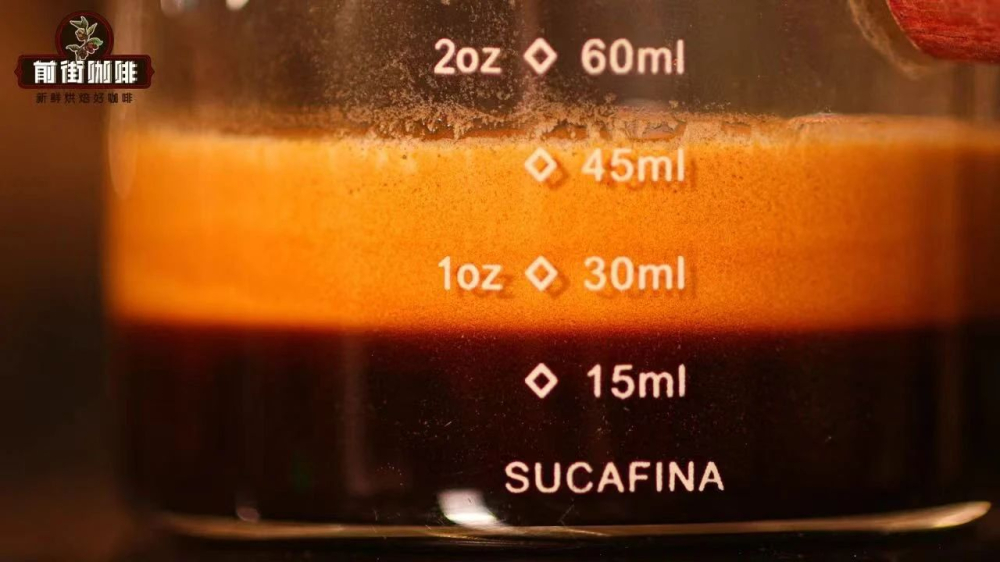
Espresso is typically composed of three main layers: crema, body, and heart. The crema is a dense foam formed during high-pressure extraction when carbon dioxide released from the coffee grounds mixes with tiny oil droplets. This layer forms as extremely finely ground coffee, under pressure as high as 9 bar, interacts with hot water. When water meets the coffee puck, the carbon dioxide cannot escape due to the pressure and instead dissolves into the liquid, while oils are forcibly pushed out, together creating this fine, elastic top layer.
The body is the central layer of espresso and the most flavorful and textured part. This section delivers the roundness, smoothness, and viscosity of the shot—the so-called “mouthfeel thickness”—encompassing the tactile qualities of fluidity, smoothness, and weight. A good body should have clear layering, not just intensity, but rather showcase detail and balance within its richness.
The heart is the bottom layer of espresso, usually dark black. This layer primarily delivers bitterness to balance the sweetness and aroma of the upper layers and is key to the overall flavor stability and aftertaste. The bitterness of the heart should not be harsh but rather gently underscore the overall tone.
 So, how can you make a satisfying espresso? One key lies in the freshness and roast level of the coffee beans. Freshly roasted medium to dark roasts, which contain more carbon dioxide, help form a delicate crema. However, the amount of carbon dioxide must also be moderate—too much can lead to a rough crema and interfere with the release of flavor compounds during extraction. Generally, the optimal extraction period for coffee beans is within 5 days post-roast, but medium to dark roasts are recommended to be used starting on the 7th day after roasting, allowing enough time for the beans to release some carbon dioxide through the one-way valve in the packaging for a more stable extraction.
Parameter control is crucial when extracting espresso. According to the Specialty Coffee Association (SCA), using 7 to 9 grams of coffee grounds (14 to 18 grams for a double shot), extracting 25 to 35 grams of coffee liquid within 20 to 30 seconds, maintaining an extraction pressure of 9 to 10 bar, and controlling water temperature between 90 to 96°C. In practice, different shops will fine-tune these based on the bean variety, grinder, and machine model used.
Taking a common blend recipe as an example, using extremely fine grounds (around 19.8 grams), extracting 38 grams of coffee liquid in about 28 to 32 seconds can produce a velvety mouthfeel akin to vanilla cream, along with subtle fruity acidity and sweetness, a hint of fermented wine-like aroma, and a warm finish of hazelnut and caramel. Such balanced flavor expression is the hallmark of a high-quality espresso.
Compared to pour over coffee, espresso demands a more immediate sensory experience. Due to its small serving size (usually around 30 ml) and rapid extraction under high pressure and temperature, its concentration and flavor intensity are very high, making it almost impossible to perceive temperature changes in stages like with pour over. Therefore, when drinking espresso, it’s recommended to start with a sip of ice water to cleanse the palate and tame the taste buds, putting your mouth in the best condition.
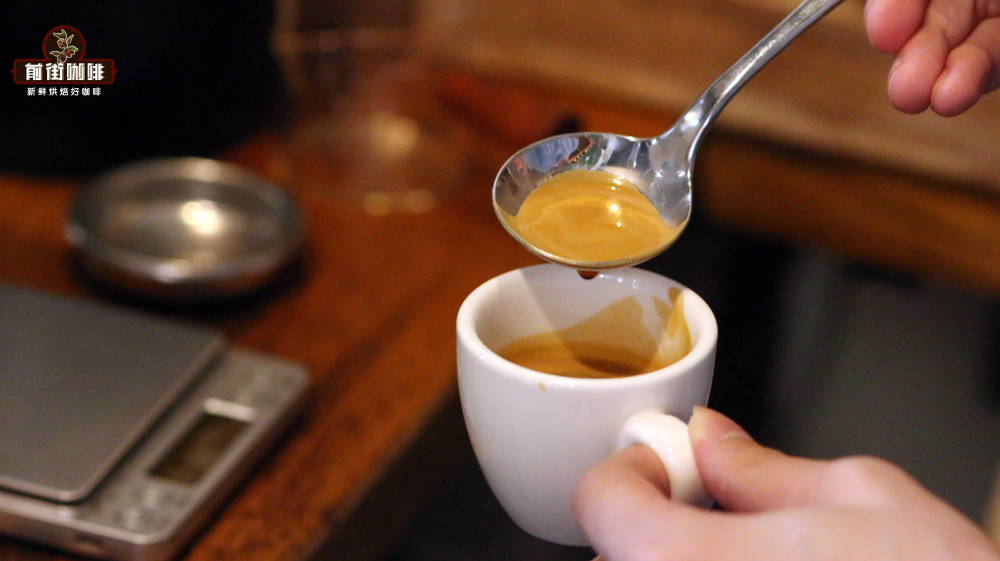 When the barista serves your espresso, you can first gently stir it with a spoon to blend the crema and body. Then it’s suggested to take three sips: the first to capture the overall flavor profile—such as whether it has fruity acidity, floral notes, or nuttiness; the second to focus on its richness and mouthfeel layers, such as smoothness and weight; and the last to savor the aftertaste and lingering notes, judging whether the sweetness is balanced, the bitterness is soft, and the aroma lingers. Mastering this tasting process allows you to more fully appreciate the complexity and depth of espresso.
The above content is compiled by CoffeeHunters, a coffee news website.


