







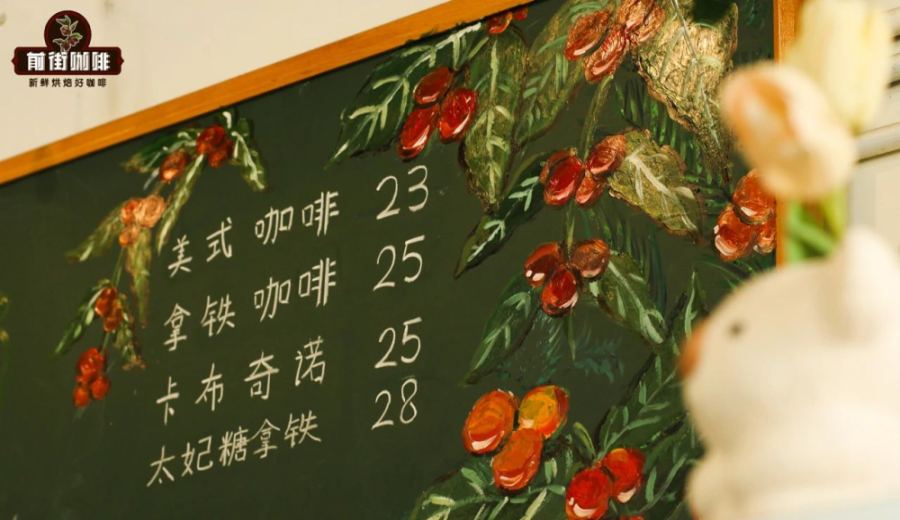
Introduction:Do you know why some black coffee tastes smooth and mellow, while others are bitter and harsh? This article delves into the brewing principles and flavor differences between Americano and Long Black, and provides an in-depth analysis of four espresso blends from a certain coffee shop—including their roast levels, recipes, and flavor profiles—to help you fully grasp the essence of black coffee, from extraction parameters to bean selection.
Even though they’re both black coffee, some are smooth on the palate with a sweet aftertaste, while others are intensely harsh and hard to swallow. Where does this difference come from? Starting with the basic definition of black coffee, this article explores the historical origins and extraction logic of Americano coffee, then compares the practical differences between Americano and Long Black in terms of brewing steps, coffee-to-water ratio, and final flavor. We’ll also use actual extraction parameters to introduce four common espresso blends, including their formulation, roast degree, and flavor profiles—helping both coffee enthusiasts and shop owners find the beans that suit them best.
 Black coffee refers to pure coffee without any additives such as milk or sugar. Common forms in daily life include pour over, Americano, cold brew, siphon, and espresso. Among these, Americano is the most widely accepted form of black coffee due to its simple brewing process and approachable flavor.
The origin of Americano coffee is closely related to the U.S. troops stationed in Europe during World War II. At the time, they found it hard to adapt to the intense flavor of espresso, so they added water to dilute it to a concentration they were familiar with and could accept. Over time, this "watered-down espresso" became the precursor to Americano. Later, as espresso culture spread to the U.S., this beverage—based on espresso and adjusted in strength by adding water—became popular, and the mainstream method of "extracting espresso first, then adding hot water" emerged to reflect the intent of dilution.
Today, there are no strict rules for making Americano. Some shops retain the crema layer, while others break it up completely—the main difference lies in whether a richer initial impression is desired. However, regardless of the method, the core factors influencing the flavor of Americano remain the espresso beans used and the extraction technique.
So, what does Americano actually taste like? Simply put, its flavor comes entirely from the coffee beans themselves. Compared to espresso, because a large amount of hot water is added, Americano has a lighter body and more directly reflects the bean’s original characteristics—such as acidity, sweetness, and aroma. Therefore, if your Americano has a pleasant aroma and layered flavors, it usually means the beans and extraction technique are top-notch; conversely, if there’s noticeable bitterness or sourness, the issue is likely over- or under-extraction.
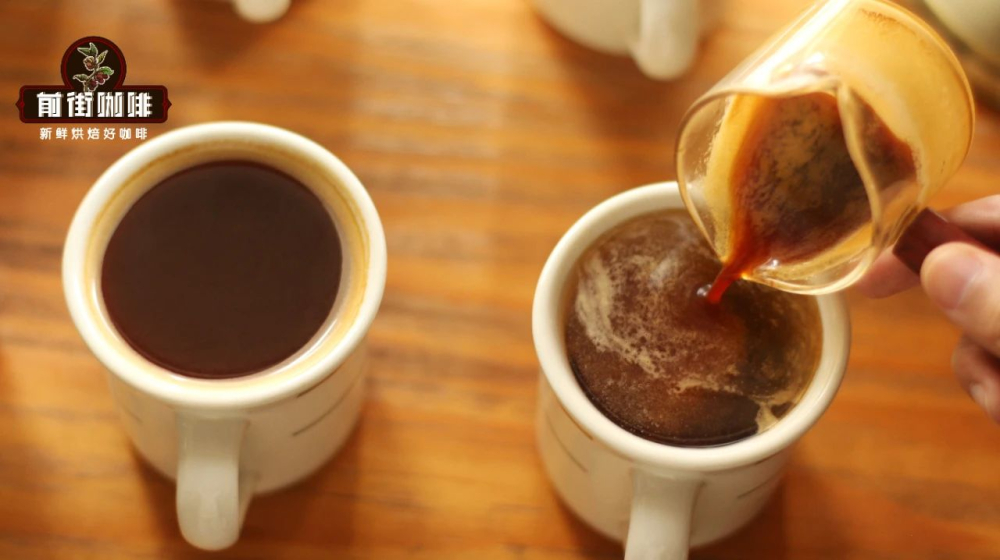
Common Americano preparation methods fall into two types: one where espresso is extracted first and then hot water is added (the familiar Americano), and another where hot water is poured first and then espresso is added (called Long Black). Though both consist of espresso and water, the order of addition leads to significant differences in crema retention and flavor expression.
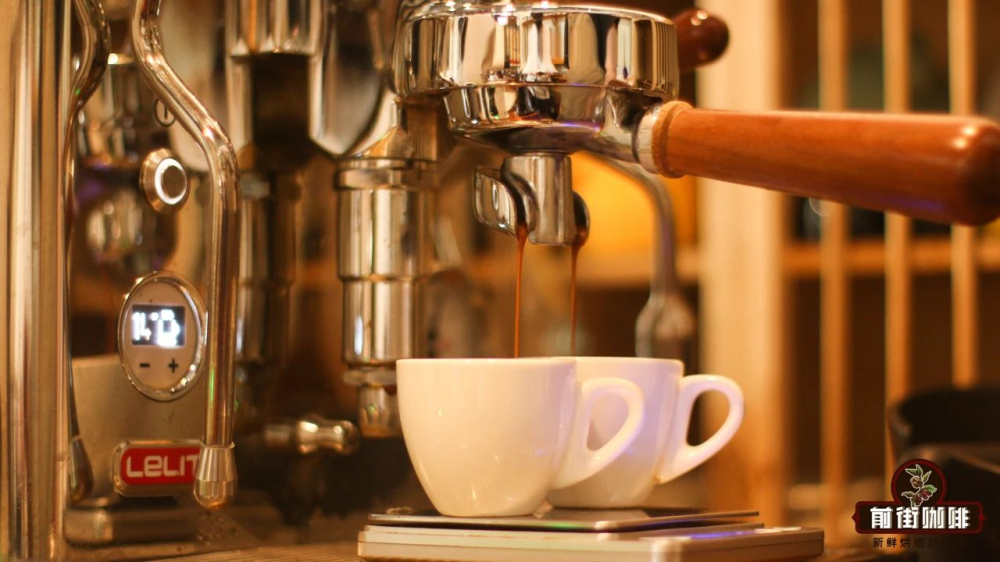
The Americano method involves pulling a shot of espresso first, then adding hot water in proportion, typically at a ratio of 1:5 to 1:8 (espresso to water). Since the espresso is added to water, the crema tends to disperse during the process, resulting in a more uniform concentration throughout the cup—with little variation in flavor from the first to the last sip.
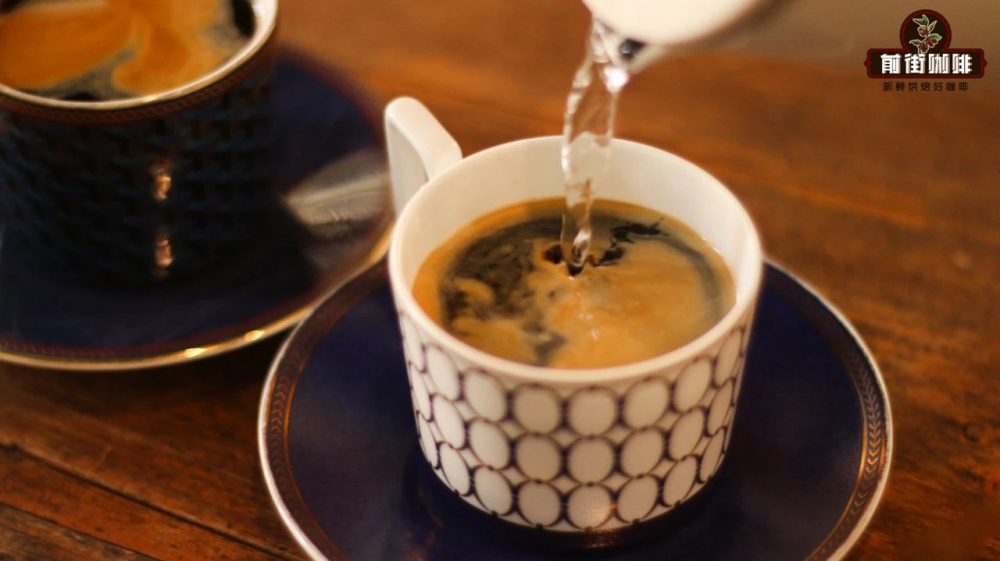
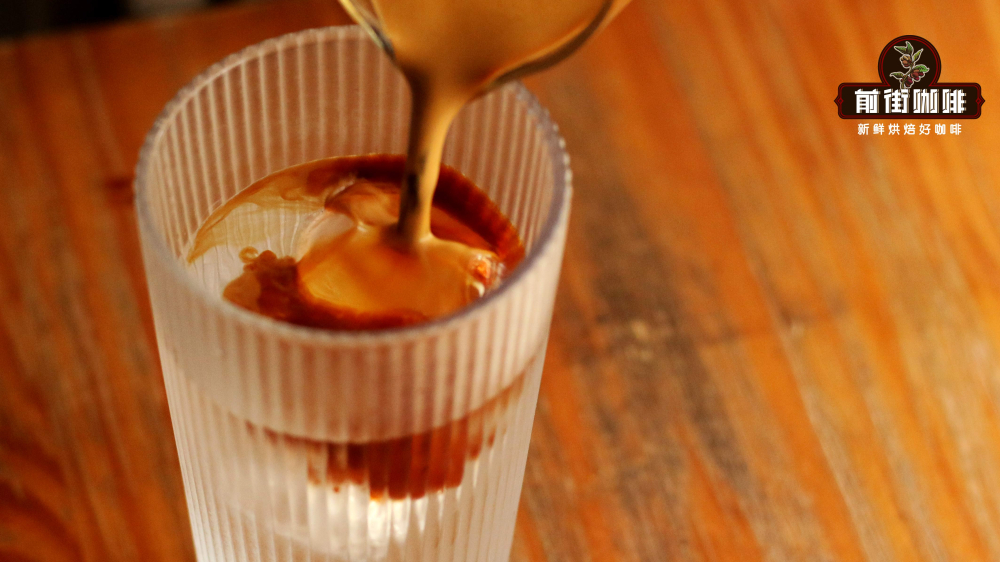
In contrast, the Long Black method involves pouring hot water into the cup first, then slowly adding the espresso. This preserves the crema (the oily layer) on the surface of the espresso, usually at a ratio of 1:3. Because water and espresso have different densities when undisturbed, the flavors present as a gradient—from intense to mild. The first sip is typically the richest, with a noticeable smooth, creamy sensation and distinct crema, followed by a cleaner, crisper mid-palate, and a clean, crisp finish.
Taking the same blend (e.g., the Sunflower Warm Blend commonly used by a certain coffee shop) as an example, under the condition of a double shot (20g coffee yielding 40g liquid in 28 seconds), its inherent flavors include sherry-like aromas, soft berry acidity, vanilla cream texture, and a hazelnut chocolate finish. Using this as the base, if made into a hot Americano at a 1:6 ratio, the flavor profile will be dominated by sherry notes, with less pronounced berry acidity, and a warm, nutty and vanilla-chocolate finish; whereas if made into a Long Black at a 1:3 ratio, the first sip will deliver a rich, creamy smoothness and intense sherry aroma, accompanied by clear caramel and chocolate notes in the finish—offering a more complex and cleaner overall profile.
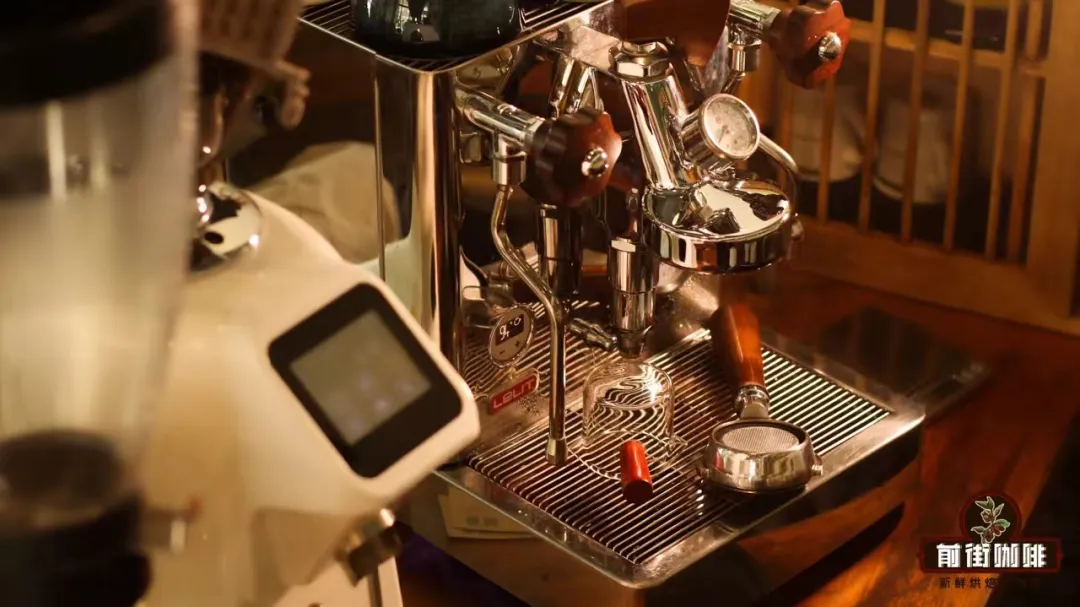
Blended coffee refers to coffee beans sourced from different regions, varieties, or processing methods, mixed in specific ratios to achieve balanced flavors or create unique flavor expressions. Blending typically serves two purposes: maintaining flavor stability and leveraging complementary traits between beans to produce complex layers that single-origin beans may lack. For example, beans with prominent aroma but thin body can be balanced by adding another with rich body but subtler aroma.
Below is a detailed introduction to four espresso blends currently recommended by a certain coffee shop, each with distinct roast levels, ingredient ratios, and flavor characteristics—suitable for different scenarios and consumer groups.
1. Basic Blend Coffee Beans
Recipe: 60% Brazil, 40% Yunnan
Flavor: Cream, nuts, chocolate
Roast Level: Medium-dark
This blend is primarily Brazilian beans, offering a solid body and rich crema, complemented by Yunnan beans for balance. Its flavor is mild and widely approachable, making it ideal for coffee beginners or budget-conscious shops. The medium-dark roast preserves moderate acidity and a distinct nutty sweetness, with good crema performance—suitable as a base for milk-based drinks like lattes.
2. Commercial Blend Coffee Beans
Recipe: 60% Brazil, 30% Colombia, 10% Robusta
Flavor: Rich, nutty, caramel sweetness
This blend includes a small amount of Robusta, giving it particularly rich crema performance—suitable for commercial use with stable results in both Americano and milk-based drinks. It has a smooth, slightly bitter taste with a long-lasting aftertaste, high cost-performance, and is a practical choice for many shops’ daily offerings.
3. Warm Sun Blend Coffee Beans
Recipe: 60% Ethiopia Natural Red Cherry, 40% Honduras Sherry Coffee Beans
Flavor: Dark cocoa, citrus, fermented wine aroma
This blend features Honduras sherry-processed beans as its soul, delivering prominent wine-like aromas and fermentation layers, paired with the citrus and acidity of sun-dried Ethiopian Yirgacheffe Red Cherry for a unique tropical vibe. Ideal for coffee lovers who enjoy distinctive flavors and layered complexity, it’s a great choice for shops aiming to elevate their flavor profile.
4. Premium Blend Coffee Beans
Recipe: 70% Brazil, 30% Colombia
Flavor: Nuts, vanilla, sweet milkiness
Using a medium-dark roast, this blend builds stability with Brazilian beans while incorporating Colombian beans’ gentle fruit acidity and nutty sweetness—resulting in a balanced flavor well-suited for pairing with milk. A staple blend long used by a certain coffee shop, it’s ideal for consumers who prefer less complex flavors but value consistent quality.
The above content is compiled by CoffeeHunters, a coffee news website.


