







Introduction:Jamaican Blue Mountain and Hawaiian Kona are often hailed as the “King of Coffee” and the “Queen of Coffee,” respectively. Both are of the Typica variety, yet they exhibit distinctly different flavor profiles due to differences in region, climate, and cultivation methods. This article delves into the regional characteristics, grading systems, and washed processing techniques of Blue Mountain and Kona, while also providing practical pour over recommendations and parameter settings to help you truly appreciate the authentic charm of these two world-class coffees.
Although both Blue Mountain and Kona belong to the Typica variety, they each excel in their own right in terms of flavor expression. Jamaican Blue Mountain is renowned as the “King of Coffee” for its smooth and balanced taste, while Hawaiian Kona is celebrated as the “Queen of Coffee” for its unique fruity acidity and sweetness. This article will guide readers through a comprehensive understanding of these two globally renowned premium coffees, from terroir and grading systems to processing techniques and practical pour over solutions.
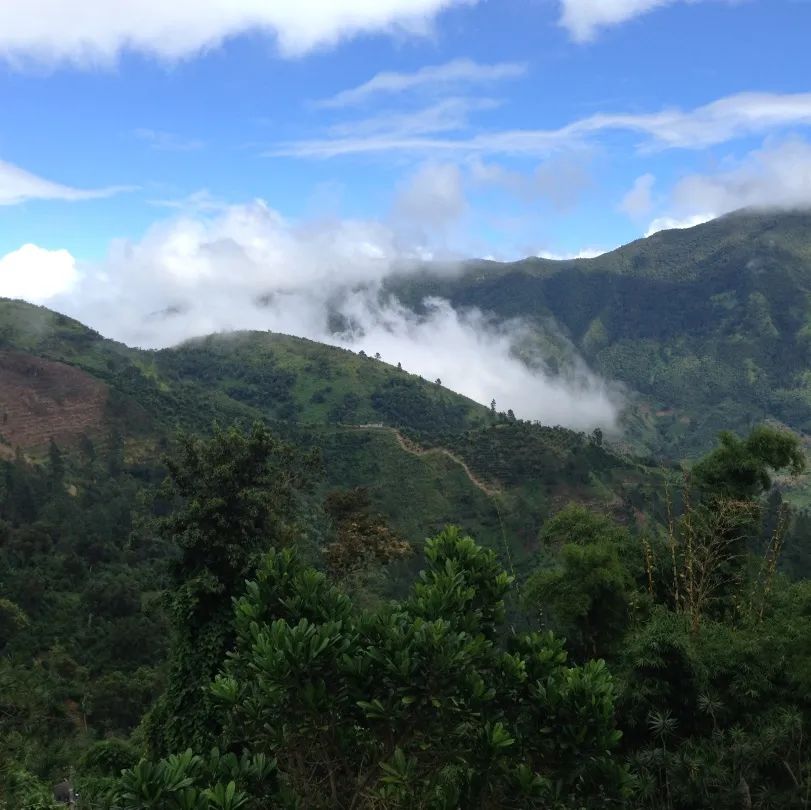
Let’s start with the coffee被誉为 as the “King of Coffee”—Jamaican Blue Mountain. The growing region of Blue Mountain coffee is located in the Blue Mountains of eastern Jamaica, a mountainous area named for its breathtaking scenery surrounded by the Caribbean Sea. When sunlight shines on the sea, the blue hues reflect among the peaks, giving the region its name. Situated at high altitudes ideal for coffee cultivation, this area benefits from fertile volcanic soil, abundant rainfall year-round—with an average annual precipitation of up to 1,980 mm—and a consistently mild, foggy microclimate that provides nearly perfect growing conditions for Blue Mountain coffee.
The history of Blue Mountain coffee cultivation dates back to the early 18th century. In 1717, King Louis XV of France ordered the trial cultivation of coffee in Jamaica. Subsequently, in the 1720s, then-Jamaican Governor Sir Nicholas Lawes introduced Arabica seeds from Martinique and promoted their cultivation in the Saint Andrew region, which remains one of the three main Blue Mountain coffee producing areas to this day. The other two primary regions are Portland and Saint Thomas. In 1950, the Jamaican government established the Coffee Industry Board to set quality standards, regulate exports, and introduce an official certification mark to ensure that every batch of Blue Mountain coffee meets stringent requirements.
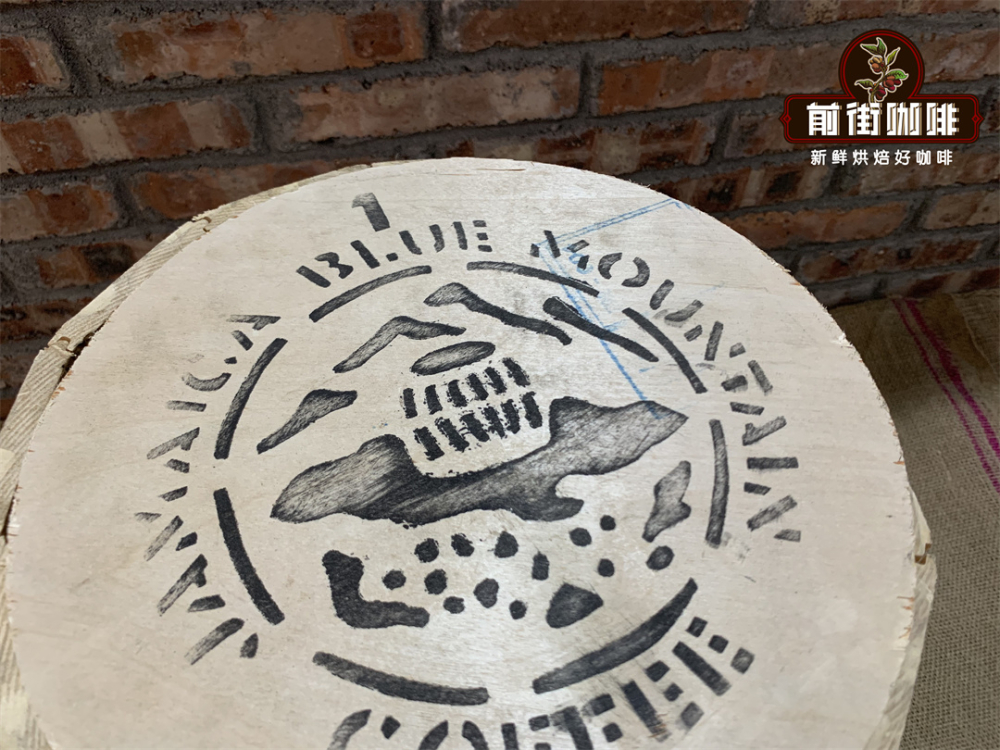
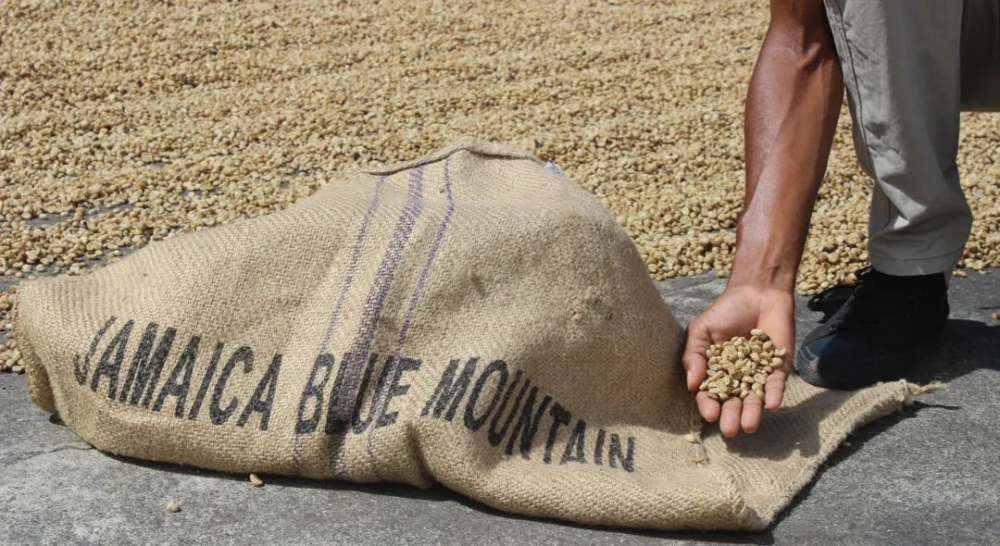
To this day, products that can be labeled as “Blue Mountain coffee” must obtain multiple certifications from the Jamaica Coffee Industry Board (CIB). Only coffee beans grown at elevations between 910 meters and 1,700 meters qualify as authentic “Jamaican Blue Mountain Coffee.” Beans grown below this altitude are categorized as “High Mountain Coffee” (460–910 meters) and “Premium Coffee” (below 460 meters). The total coffee-growing area in the Blue Mountains is only about 6,000 hectares, so many products on the market that claim to be “Blue Mountain” may not actually come from this core region.
In terms of processing, Blue Mountain coffee adheres strictly to the washed process, which ensures the purity of the coffee’s flavor and the clarity of its acidity. During washing, coffee cherries are first floated to remove unripe ones, then fermented to remove the mucilage. This not only helps reduce defect rates but also contributes to the clean taste and well-balanced acidity and sweetness that characterize Blue Mountain coffee. The most representative Blue Mountain No. 1, when medium-dark roasted, often exhibits notes of chocolate, nuts, and cream, with a well-balanced acidity, sweetness, and bitterness, and a long, comforting aftertaste.
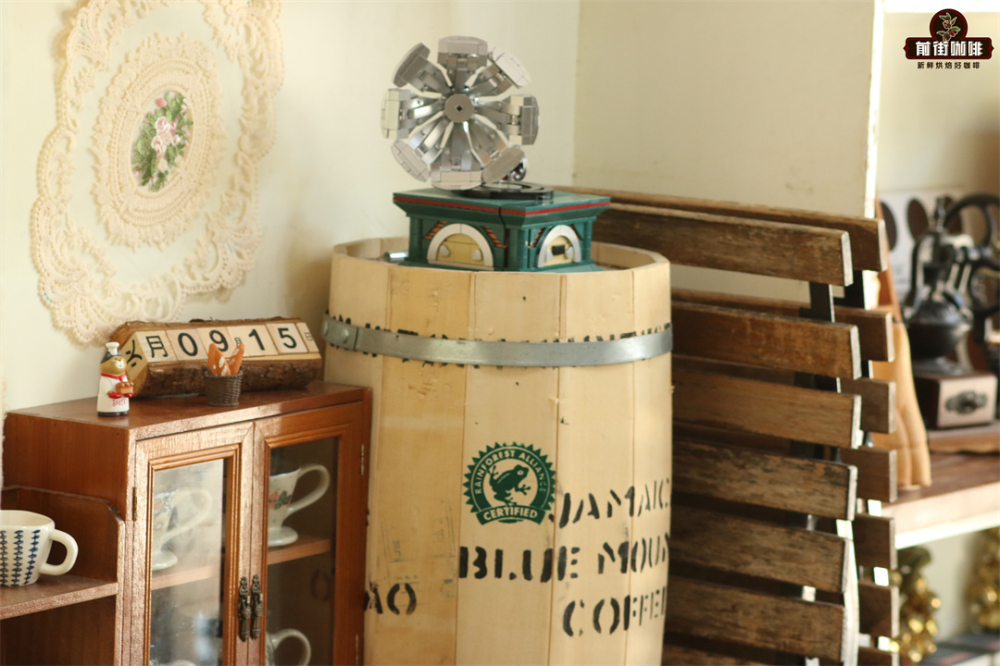
Blue Mountain coffee is subdivided into multiple grades based on growing altitude and quality, ranked from highest to lowest as follows: Blue Mountain No. 1, Blue Mountain No. 2, High Mountain No. 1, High Mountain No. 2, and Jamaican Coffee. Only coffee grown above 910 meters in the core Blue Mountain region can be labeled as “Blue Mountain Coffee”; the rest fall into the secondary High Mountain or Premium grades. A well-known brand’s Blue Mountain No. 1 comes from the Clifton Estate, one of the oldest and still-operating farms in the Blue Mountains, which also holds Rainforest Alliance certification. With an elevation of about 1,310 meters, it is a classic representation of Blue Mountain coffee.
Next, we introduce the “Queen of Coffee”—Hawaiian Kona. Hawaiian Kona is primarily produced in the Kona region of the Big Island, which boasts fertile volcanic soil, along with gentle sea breezes and distinct wet and dry seasonal changes, creating a unique microclimate ideal for coffee cultivation. Coffee in the Kona region is mostly grown at elevations between 800 and 1,100 meters, an altitude range considered the golden zone for Arabica coffee, where moderate day-night temperature variations are conducive to the accumulation of flavor compounds.
Coffee cultivation in Hawaii began in the early 19th century. It was first introduced by Spanish advisor Don Francisco de Paula Marin in 1817, but was not successful at the time. It wasn’t until 1825, when Oahu Mayor Chie Boki brought coffee seeds from Brazil and successfully planted them in the Manoa Valley, that the history of Hawaiian coffee truly began. Today, there are as many as 950 coffee farms across the Hawaiian Islands—including the Big Island, Maui, and Oahu—most of which are small, family-run operations, covering a total area of approximately 7,900 acres.
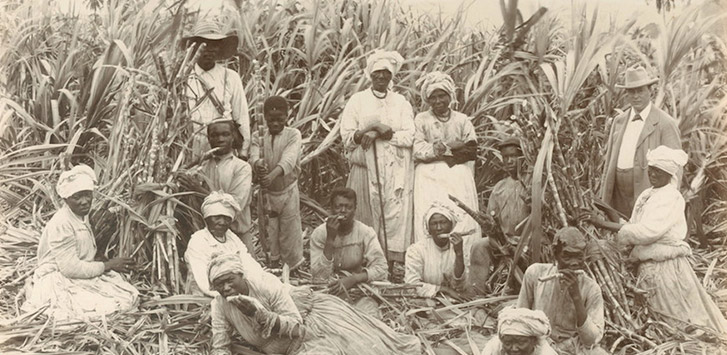
Coffee in the Kona region is concentrated on volcanic slopes at elevations of 800 to 1,100 meters, where the climate conditions are ideal: daytime temperatures average around 15–20°C, annual rainfall is abundant with distinct wet and dry seasons, and the combination of light cloud cover and fertile volcanic soil allows coffee cherries to ripen slowly, accumulating richer flavors. A representative brand of Hawaiian Kona comes from the Queen’s Estate, grown at an altitude of 1,100 meters, processed using the washed method, and of the Typica variety. With a medium-light roast, it presents clear fruity acidity and sweetness, making it suitable for coffee lovers who prefer a refreshing taste.
In terms of processing, Hawaiian Kona mainly uses the washed method, employing fermentation to remove the mucilage layer, followed by thorough rinsing with clean water to ensure the purity of the beans. After washing, the beans are naturally dried in the sun, a process that not only preserves the original flavors of the coffee but also maintains good gloss and integrity of the beans. The grading system for Hawaiian Kona is based on bean size and appearance, primarily divided into four grades: Extra Fancy, Fancy, Prime, and Gr. No. 1, with further classification into Type 1 (standard beans) and Type 2 (peaberry) based on bean shape.
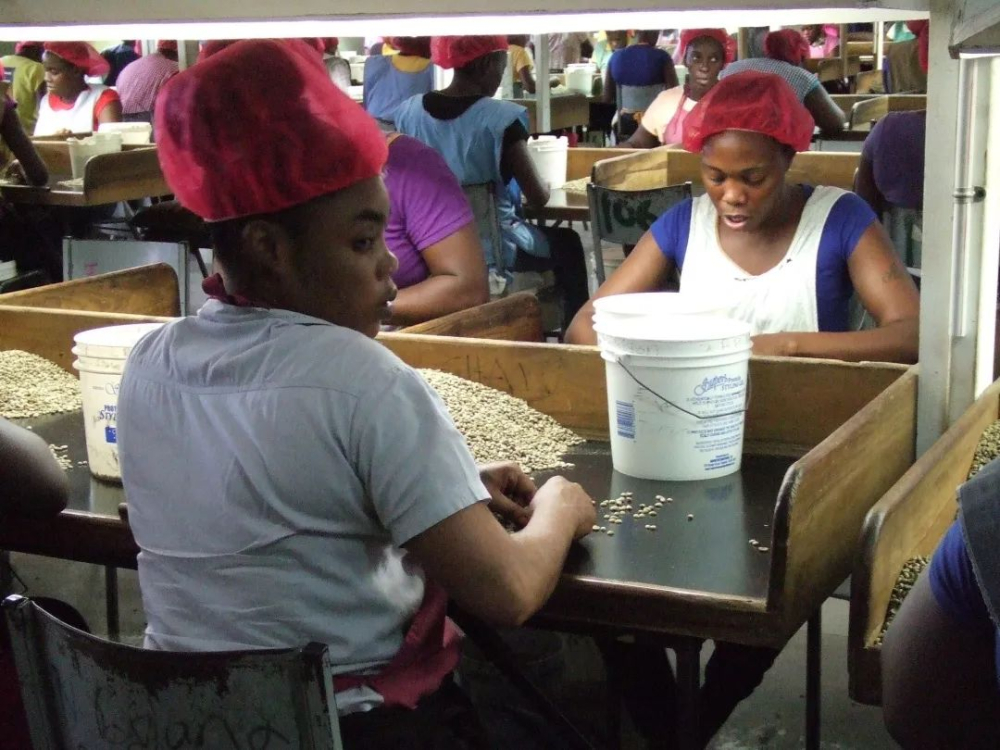
For a practical pour over recommendation for Blue Mountain No. 1, it is suggested to use a Hario V60 dripper, with a coffee dosage of 15 grams, a brew ratio of 1:15, a water temperature of about 88°C, and a grind size between medium-fine and medium-coarse (approximately 75% passing through a Chinese standard No. 20 sieve). Specifically, start with a 28-gram bloom for 30 seconds, then pour water centrally up to 126 grams with slight pauses, wait for the bed to drain slightly before continuing to 227 grams. The total extraction time should be controlled around 1 minute and 50 seconds. These parameters help fully showcase the balance and delicate layers of Blue Mountain coffee.
As for Hawaiian Kona, the V60 is also suitable for pour over. It is recommended to use 15 grams of coffee, a water temperature of 88°C, and a brew ratio of 1:15, with a slightly coarser grind than Blue Mountain to reduce the risk of over-extraction. The blooming and pouring techniques can follow the Blue Mountain model, but the extraction time can be slightly shortened to preserve brighter fruity acidity and a refreshing finish. For both coffees, it is important to maintain stable water temperature, even pouring speed, and avoid excessive grinding that could lead to over-extraction or dull flavors.
The above content is compiled by CoffeeHunters, a coffee news website.


