







Introduction:Cold brew coffee, with its refreshing taste and low acidity, has become the go-to choice for many coffee enthusiasts to make at home. However, subtle differences in coffee-to-water ratio, grind size, and steeping time can significantly affect the final flavor profile. This article uses Kenya · Little Tomato beans as the base and tests four common cold brew coffee-to-water ratios from 1:8 to 1:15, analyzing in depth the richness, sweetness-acidity balance, and aftertaste characteristics of each ratio. It also explains why 1:10 is the recommended practical ratio by most baristas, helping you find your perfect formula.
Cold brew coffee releases flavors in a gentler way through low-temperature, long-duration steeping, typically resulting in a bright acidity and natural sweetness without pronounced bitterness. This brewing method has minimal equipment requirements — just prepare coffee grounds, cold water, and a sealed container, then let it sit in the fridge. You can easily enjoy professional-level cold brew made at home.
Many people who try making cold brew at home often wonder: how does different coffee-to-water ratio actually change the way the coffee tastes? In fact, the coffee-to-water ratio not only determines concentration but also directly influences acidity, sweetness, and overall mouthfeel. Understanding these variables allows you to brew cold brew that best suits your personal taste.
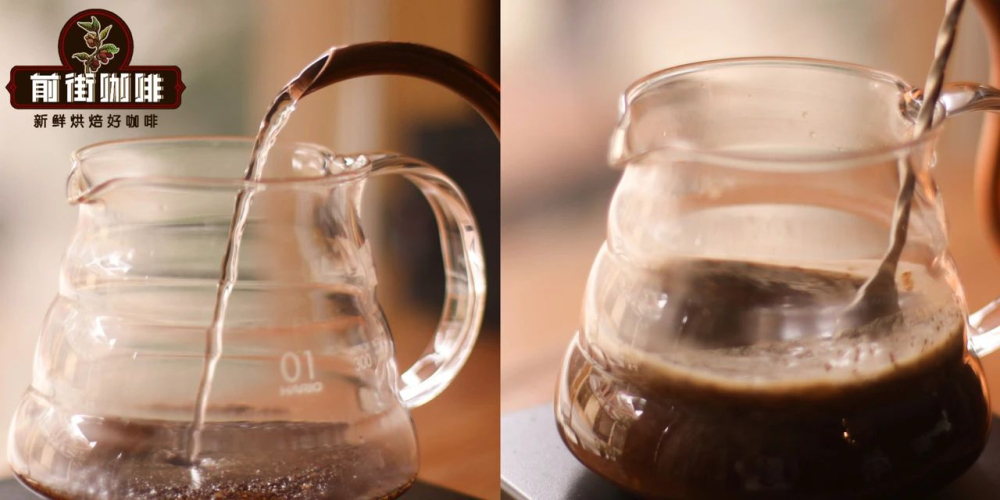
Cold brew is a classic immersion-style extraction, where coffee grounds and cold water sit together in a container for several hours, gradually allowing flavor compounds to dissolve into the water. With all other factors held constant, the higher the coffee-to-water ratio (i.e., more water), the lower the concentration of the coffee liquid, resulting in a lighter flavor and thinner body; conversely, the lower the ratio (i.e., less water), the higher the concentration, leading to a fuller body and more concentrated flavors.
Therefore, choosing a moderate coffee-to-water ratio is key to achieving balanced flavor. Common cold brew coffee-to-water ratios generally range from 1:8 to 1:15, with each ratio offering a unique flavor direction suitable for different drinking preferences.
In addition to the coffee-to-water ratio, other parameters of cold brew are equally crucial. For example, the grind size of the coffee, total steeping time, water quality used, and even the coffee bean variety and processing method can all influence the final outcome. Among these, grind size is particularly important — too fine a grind can lead to over-extraction and unpleasant off-flavors. It is recommended to keep the grind similar in coarseness to white sugar, or use a grind passing about 80% to 85% through a Chinese No. 20 standard sieve, which is roughly equivalent to setting 9.5 on an EK43s grinder.
The recommended steeping time ranges between 6 to 16 hours. Too short a time may result in under-extraction and incomplete flavor development, while going beyond 16 hours may lead to over-extraction and undesirable mouthfeel. Generally, refrigerating for about 8 to 12 hours is the most common and safest range.

For this experiment, we specially selected Kenya · Little Tomato coffee beans processed using the K72 washed method, with varieties SL28 and SL34. SL28 features intense fruit acidity and a bright profile, and is a highly representative variety of the Bourbon family; SL34 has relatively softer acidity, with a rounder mouthfeel and rich fruity notes. The combination of these two varieties makes this coffee bean particularly well-suited for cold brew, as it can showcase delicate berry and little tomato aromas under low-temperature extraction.
In the experiment, we used 18 grams of coffee grounds and extracted them at four different coffee-to-water ratios: 1:8, 1:10, 1:12, and 1:15, with total water volumes of 144g, 180g, 216g, and 270g respectively, all steeped for 6 hours. The grind size was controlled to be similar to that of fine sugar, i.e., around 80% passing through a Chinese No. 20 sieve, using an EK43s grinder set at 9.5. All batches were left to steep in the refrigerator, stirred once midway to ensure even extraction, and then filtered before flavor evaluation.
The experimental results showed that the 1:8 ratio cold brew had the darkest liquid color, with an intense and acidic taste, slight saltiness, indistinct berry flavors, and a slightly bitter aftertaste, resulting in an overall heavier profile. The 1:10 brew gave off a sweet sugarcane-like aroma, with flavor layers including red plum, berries, and pear tea. Its acidity was clear but sweetness less pronounced, and the mouthfeel was somewhat rich. The 1:12 ratio performed the most balanced, featuring layers of little tomato, red plum, dark plum juice, and sugarcane, along with a sweet-and-sour aftertaste reminiscent of preserved plum candy. Its concentration was just right, balancing acidity, sweetness, and richness, and was considered the most suitable for direct drinking.
As for the 1:15 cold brew, due to the excessive amount of water, the coffee flavors were greatly diluted, resulting in a watery texture with only faint acidity from black plum and berries. Although there was almost no bitterness, the overall profile was flat and lacked complexity.
Overall, the 1:8 ratio, due to its high coffee concentration, is prone to over-extraction and negative flavors; whereas the 1:15 ratio, being overly diluted, leads to flavor loss and a thin body. The 1:10 and 1:12 ratios exhibited better balance, with the 1:12 ratio performing the best for direct drinking. However, most coffee shops still prefer using the 1:10 ratio as their base.
The reason is that a 1:10 ratio cold brew, even when cooled with 1–2 ice cubes, maintains sufficient flavor intensity. As the ice melts gradually, the coffee concentration slowly decreases, transitioning from rich to refreshing. This shift can satisfy both consumers who prefer a bold taste and those who favor a lighter profile. Such an adjustable strategy allows a single batch of cold brew to cater to varying taste preferences throughout the day, making it a practical and flexible solution.
The above content is compiled by CoffeeHunters, a coffee news website.


