







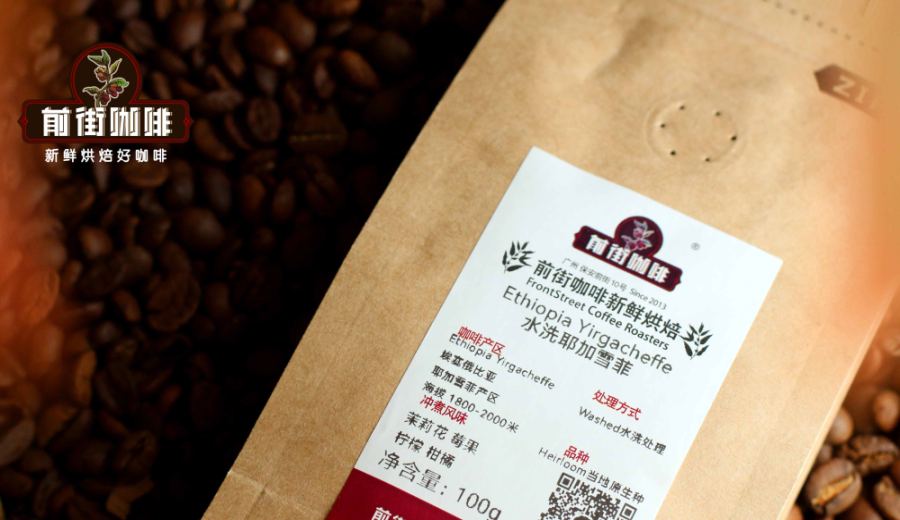
Introduction:Yirgacheffe is not just a place name—it’s a globally recognized flavor synonym in the specialty coffee world. Originating from the high-altitude mountainous regions of southern Ethiopia, this land produces captivating coffees characterized by citrus, jasmine, and berry notes. This article delves into the evolution of the Yirgacheffe region, the key differences between washed and natural processing methods, how the Red Cherry Project has elevated quality, the comprehensive coffee bean grading system, and provides practical pour over parameters to help you better understand and appreciate this classic coffee variety.
Originally just a small town in Ethiopia’s southern Gedeo zone, Yirgacheffe has now become a flavor symbol in the hearts of specialty coffee enthusiasts worldwide. Its rise from a mere locality to a representation of a distinct flavor profile stems from its unique natural environment, innovative processing techniques, and rigorous grading and quality management systems. Whether you’re a pour over novice or a seasoned coffee connoisseur seeking high-quality single-origin beans, understanding Yirgacheffe will greatly enhance your coffee appreciation.
Situated at an altitude of approximately 1700 to 2100 meters, Yirgacheffe is recognized as one of the birthplaces of coffee. Although it was once part of the Sidamo region, its unique processing methods and highly distinctive flavor profile eventually led to its designation as a standalone region. Yirgacheffe coffees are celebrated globally for their bright, light acidity, delicate floral and fruity aromas, and clean, crisp taste. They not only shine in the pour over category but are also increasingly making their way into professional espresso blends.
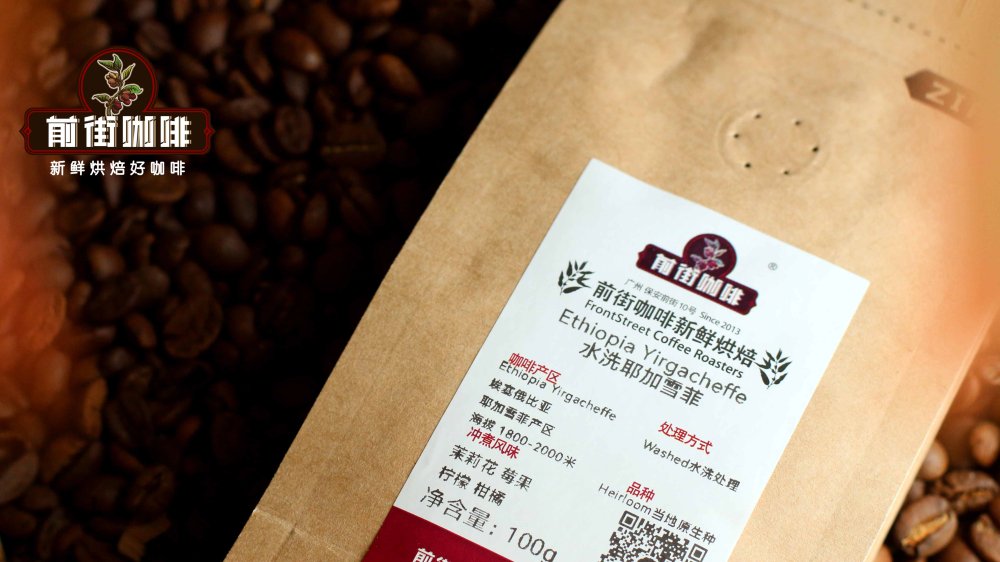
The name Yirgacheffe has poetic roots in ancient Ethiopian: “Yirga” means “peace or settlement,” while “Č̣äfe” refers to “swamp or wetland.” Together, they imply “let us settle in this wetland.” This vividly evocative name perfectly mirrors the area’s pleasant climate and microenvironment ideal for coffee cultivation.
When discussing “Yirgacheffe flavor,” common descriptors include prominent citrus and lemon-like fruit tones, soft and delicate jasmine floral notes, refreshing berry acidity, paired with a clean, pure mouthfeel and a tea-like aftertaste. These characteristics make it stand out among many specialty coffee regions, becoming a top choice for many people exploring single-origin coffees.
To build an internationally competitive coffee brand, the Ethiopian government registered the flavors of three renowned regions, including Yirgacheffe, as trademarks in 2004, and established the Ethiopian Commodity Exchange (ECX) in 2008, incorporating coffee into a standardized auction system. Through a strict grading system and flavor classification, it ensures that exported coffee beans meet market expectations for high quality and distinctive flavors.
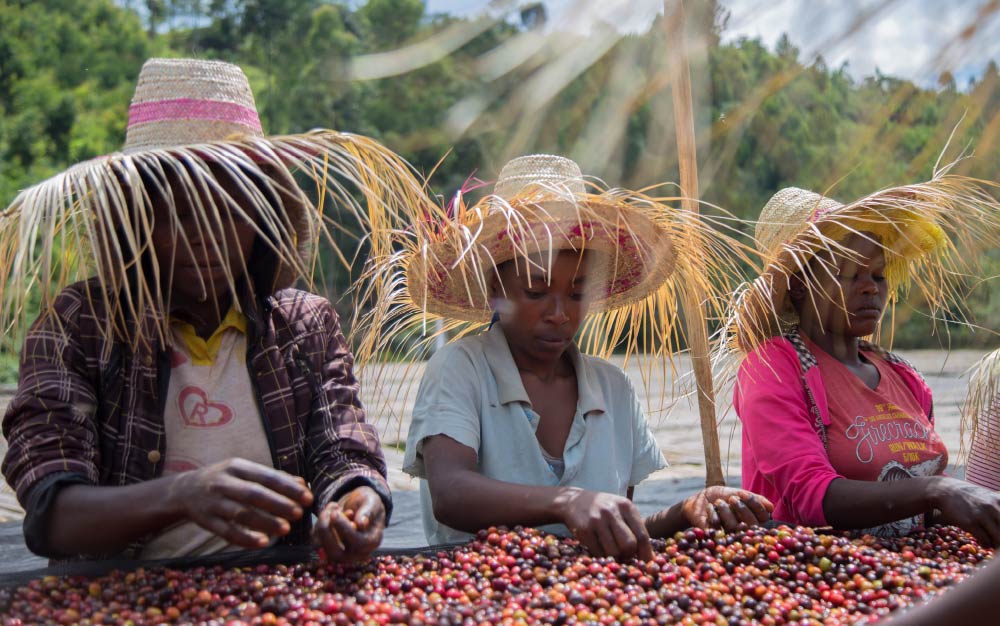
Surrounding Yirgacheffe are three smaller regions—Wenago, Kochere, and Gelena Abaya—whose coffee flavors closely resemble those of Yirgacheffe. Among them, Kochere has even been officially incorporated into the Yirgacheffe regional classification. The local Yirgacheffe Coffee Farmers Cooperative Union (YCFCU), composed of 28 cooperatives (each roughly corresponding to a village), is responsible for collective harvesting and primary processing, selling the coffee under the cooperative’s name. Since most of the farming is done by smallholders, coffee trees are often intercropped with other crops. After harvest, the cherries are sent to cooperatives for processing, which is why coffee bags often feature the name of the processing mill or cooperative rather than an individual farmer.
Among the many processing mills, one well-known cooperative stands as a representative. Composed of over 300 farmers, it leverages mature processing techniques to consistently produce high-quality green beans. The Yirgacheffe produced here not only showcases the typical characteristics of the region but also demonstrates exceptional balance and complexity in detail.
Traditionally, Yirgacheffe coffee beans were mostly processed using the African natural (sun-dried) method, where whole coffee cherries with their husks were directly sun-dried on the ground. However, this method was prone to over-fermentation or off-flavors due to unstable weather or technique. Later, the region adopted washed processing technology from Central and South America, which involves removing the pulp, fermenting to remove the mucilage, then washing with clean water and sun-drying. This significantly enhanced the brightness of the acidity and the purity of the aroma. The general process includes: removing the skin and pulp → fermenting for 12 to 36 hours → washing to remove mucilage → drying. This technique allows Yirgacheffe to showcase delicate citrus and jasmine notes while retaining a tea-like aftertaste.
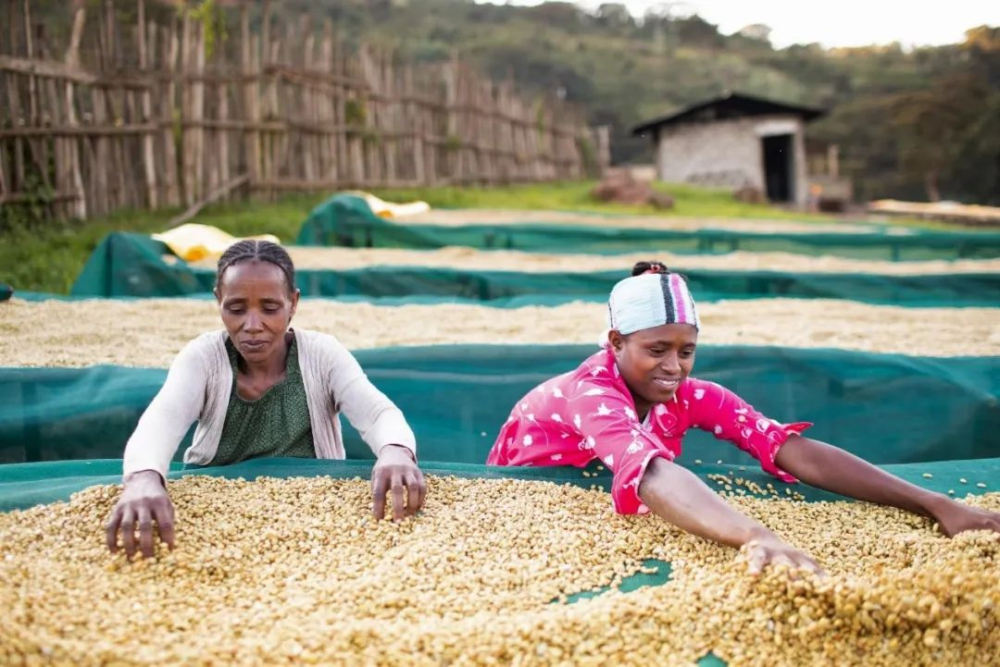
Washed Yirgacheffe typically features a clean acidity structure, with typical flavor profiles including jasmine floral notes, citrus-like sweet-tartness, and subtle berry undertones. Such beans are generally suitable for drinkers who prefer a refreshing taste and are also a popular starting choice for many coffee beginners. In practical pour over performance, medium-light roasted washed Yirgacheffe can fully display its layered fruit acidity and refined aromas.
The Red Cherry Project (Operation Cherry Red Project) is a pivotal turning point in elevating Yirgacheffe’s quality. Launched in 2007 by the Dutch trading company Trabocca BV, the project targets high-altitude regions and emphasizes harvesting only 100% ripe red cherries. It introduced professional cupping teams, improved processing equipment and techniques, and provided farmers with loans and technical training. By strictly controlling harvest quality and processing procedures, it significantly enhanced overall coffee performance and enabled farmers to receive more reasonable compensation.
In terms of natural processing, the Red Cherry Project introduced full-day segmented turning, shade nets, and professional drying racks to ensure the coffee cherries dry evenly to a moisture content of 11–12%. This technique gives Yirgacheffe a richer berry acidity, abundant fruity sweetness, and a fuller body. Common flavors in naturally processed Yirgacheffe include berries, jasmine, lemon, and pronounced fermentation notes, making it highly suitable for specialty blends or espresso bases.
Ethiopia’s coffee grading system is divided into Class A and Class B based on processing methods, and further subdivided into nine grades from G1 to G9 according to cupping scores. Among these, G1 and G2 are considered high-quality specialty grades, with G1 being the top tier—allowing no more than 3 defects per 300 grams of green beans; G2 permits 4 to 12 defects. G1 and G2 beans scoring 85 points or above are usually classified as Q1 grade, highly sought after by international buyers.
For brewing recommendations, since Yirgacheffe is grown at high altitudes with dense bean structure, medium-light roasting is advised to preserve its bright acidity and complex aromas. Using a V60 filter cone with fine grind (e.g., 80% passing through a #20 sieve), a 1:15 coffee-to-water ratio, and water temperature controlled at 92–93°C can fully highlight its floral-fruity character and clear layers. During brewing, start with a bloom using double the amount of hot water for 30 seconds, then pour in a circular motion from the center outward. Pay attention to segmented control of water flow and bed level to help achieve balanced flavor release.
Overall, each type of processed Yirgacheffe bean has its own unique charm: the washed version is fresh and bright, ideal for those who enjoy fruit acidity and tea-like notes; the natural version offers intense flavors with rich berry and fermentation layers; and beans from different cooperatives also showcase their subtle individuality due to microclimate and processing variations. Whether you’re just starting out or already experienced, Yirgacheffe is a classic region worth exploring in depth.
The above content is compiled by CoffeeHunters, a coffee news website.


