







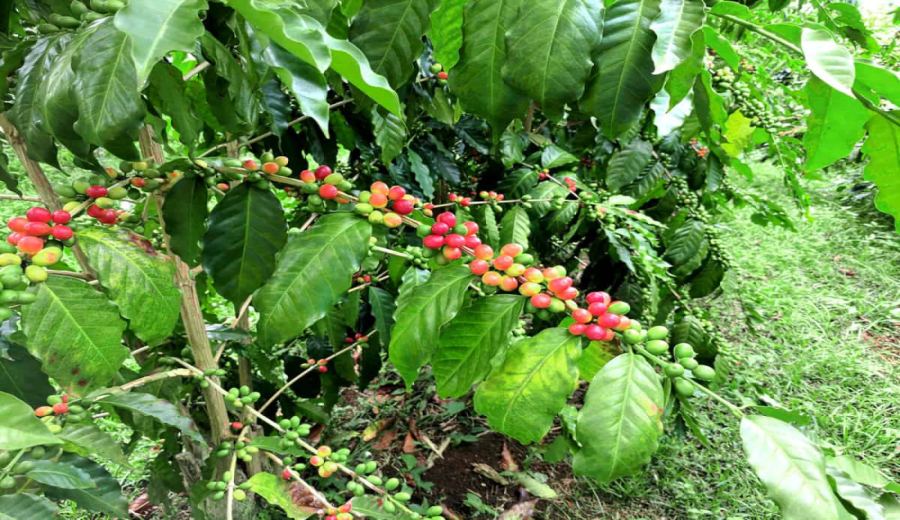
Introduction:Dive deep into two of Panama’s most celebrated specialty coffees — Geisha and Hacienda La Esmeralda (also known as Flower Butterfly). From their varietal origins and terroir, to processing methods and pour over brewing tips, this guide offers a comprehensive analysis of their unique flavor profiles and brewing techniques. With practical extraction parameters and tasting insights, it’s a must-read for those seeking an affordable Geisha entry bean or looking to refine their brewing skills.
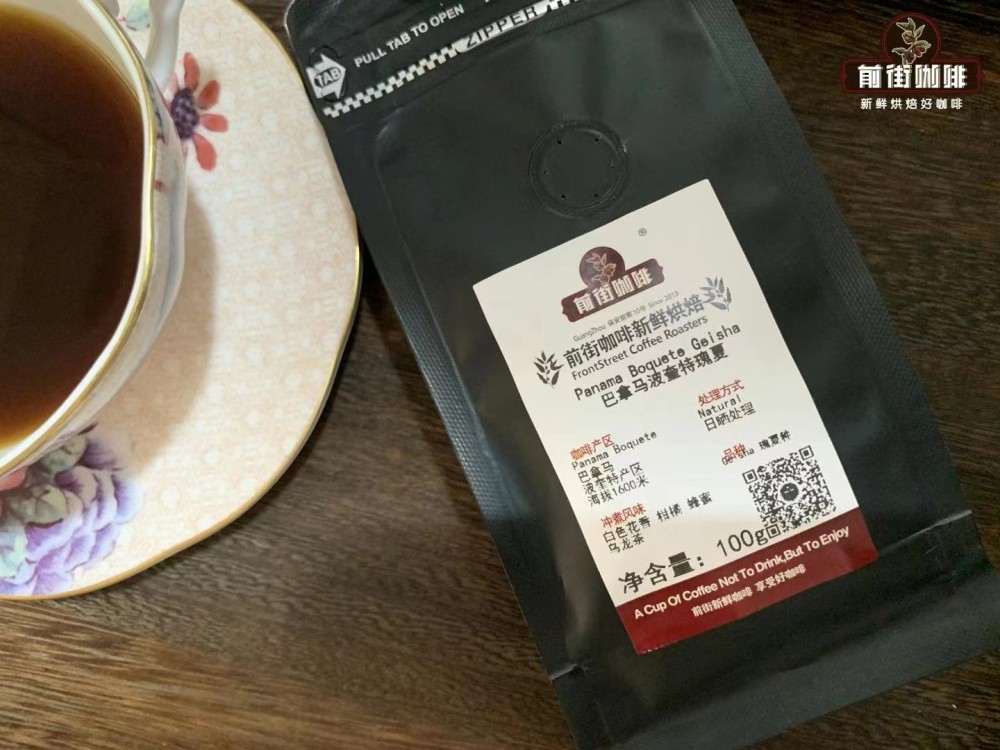
Panamanian specialty coffee is renowned worldwide for its distinctive regional character and diverse varietals, among which the Geisha from the Boquete region and the Hacienda La Esmeralda (commonly referred to as Flower Butterfly) are the most iconic. Originally from Ethiopia, Geisha rose to fame at Panama’s Hacienda Esmeralda, captivating global audiences with its delicate floral notes and pronounced citrus tones, becoming a consistent top performer in international coffee auctions. Flower Butterfly, on the other hand, blends Geisha with varieties such as Caturra and Catuai, featuring a high proportion of Geisha genetics. It offers a drinking experience close to that of top-tier Geisha at a more accessible price point, making it a popular choice for many coffee enthusiasts just starting out.
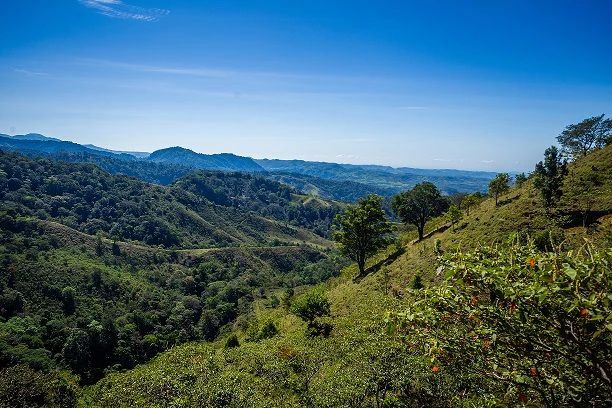
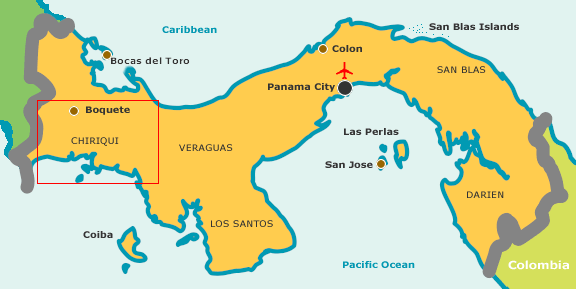
The Boquete region is located in western Panama’s Chiriquí Province, near the border with Costa Rica, at the foothills of the Volcán Barú. With elevations typically ranging from 1,400 to 1,900 meters, coupled with significant day-to-night temperature variations and fertile volcanic soils, it provides an ideal environment for coffee cultivation. This region is not only home to Hacienda Esmeralda but also hosts other renowned farms such as Elida Estate and Finca Kotowa Duncan, producing numerous award-winning beans in international competitions. It is the heartland of Panama’s specialty coffee.
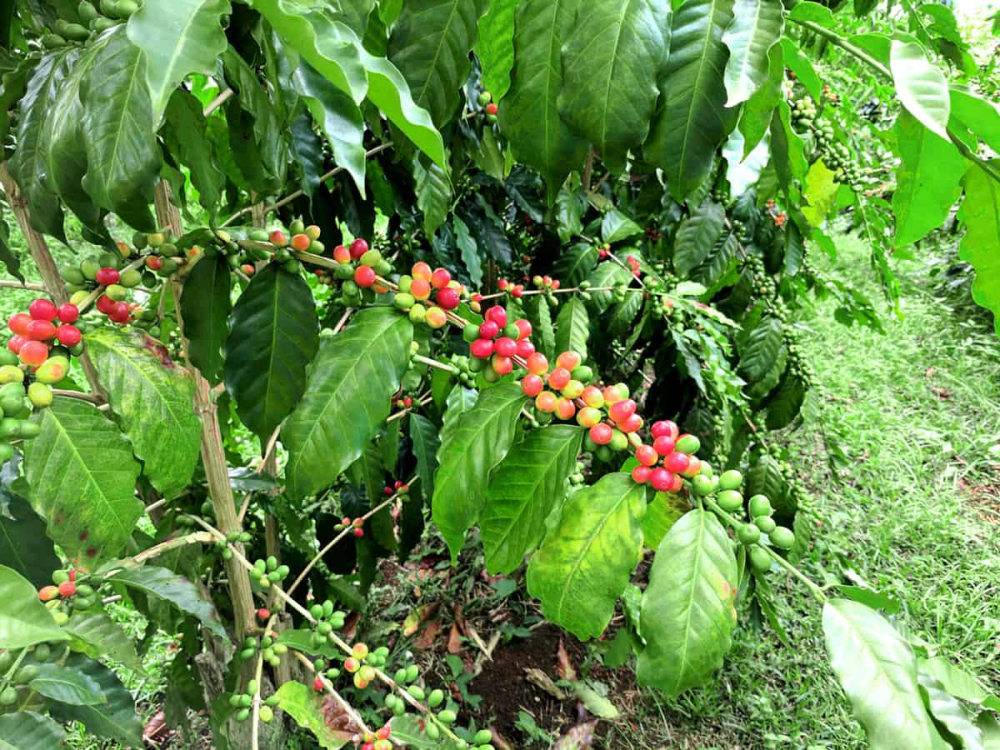
The Geisha variety can be traced back to 1931, when it was discovered in the forests of Gesha in southwestern Ethiopia. It later traveled through Kenya, Uganda, Tanzania, and Costa Rica, before finally being introduced to Panama by the Don Pachi farm in the 1970s. This variety is known for its tall tree structure, slender leaves, and strong resistance to rust disease. Its green beans are elongated, and with proper roasting, they exhibit intense floral and fruity aromas along with a honey-like sweetness. Geisha’s remarkable success in Panama is attributed not only to the variety’s inherent potential but also to the region’s unique microclimate — high altitude, cool temperatures, and abundant rainfall allow the coffee cherries to ripen slowly, accumulating richer flavor compounds.
Flower Butterfly, originally named Cupido, is another highly representative Geisha-blend variety from the Boquete region. Initially, the blend contained only 30% Geisha, which was gradually adjusted to 50%, and eventually settled at 70% Geisha, mixed with the two common varieties Caturra and Catuai. Caturra, a Bourbon mutation, is highly adaptable and thrives at medium to high altitudes, typically yielding coffee with bright acidity and a clean, refreshing profile. Catuai, a cross between Caturra and Mundo Novo, is sturdy and resistant to wind and rain, with fruit that is less prone to dropping, contributing to Flower Butterfly’s fuller body and stable flavor structure. According to regional data, the current Geisha content in Flower Butterfly has reached 70%. Since all three varieties are grown in the same microclimate, harvested and processed under identical conditions, this blend delivers a remarkably consistent single-origin-like flavor profile despite being a mix.
Flower Butterfly is mostly processed using the washed method, which highlights the coffee’s cleanliness and bright acidity. The typical process includes: removing floaters, stripping the pulp, fermenting the beans in tanks where natural enzymes break down the mucilage, then rinsing with clean water, and finally drying the beans evenly on African beds or sun patios until the moisture content reaches the standard before storage. The washed process gives Flower Butterfly clear citrus and white floral notes, while maintaining good sweetness and a lingering aftertaste. Its flavor profile is well-defined, making it ideal for coffee drinkers who appreciate layered and distinct taste experiences.
Regarding whether Flower Butterfly is a blend, in reality, since all three varieties come from the same farm, are grown in the same area, and are harvested and processed simultaneously, their flavor expressions are highly consistent. As such, it can be considered a single-origin coffee made from a “blend of varieties within a single growing region.” This allows Flower Butterfly to strike an excellent balance between cost-performance and flavor, especially for consumers trying Geisha flavors for the first time, making it an exceptionally approachable entry option.
For brewing, it is recommended to use a V60 dripper with a 1:15 coffee-to-water ratio, and a grind size of medium-fine (similar to coarse sugar, or around 80% passing through a Chinese Standard No. 20 sieve), with water temperature controlled at around 91°C. A common pour over routine is: start with a bloom using twice the coffee weight in water (e.g., 60g water for 30g coffee) for 30 seconds to degas and initiate extraction; then pour in a slow circular motion until reaching 125g for the first pour, followed by a second pour up to a total of 225g. The total brew time is approximately 2 minutes. These parameters help highlight Flower Butterfly’s floral, citrus, and light tea-like characteristics, while avoiding over-extraction that could lead to bitterness.
After brewing, Flower Butterfly presents dry aromas dominated by white floral and citrus scents. Upon tasting, it features bright acidity with notes of tropical fruits such as peach and lemon. The mid-palate gradually reveals a honey-like sweetness, while the finish lingers with a soft tea note and residual sugary sweetness. The overall profile is balanced and layered, making it suitable for those who prefer fresh and vibrant flavors or are experiencing high-altitude Geisha for the first time.
In summary, Panama’s Geisha and Flower Butterfly not only showcase the country’s strong presence in the specialty coffee scene but also offer diverse options for consumers with different budgets and flavor preferences. Geisha, with its exceptional aroma and complex layers, stands as a representation of top-tier coffee, while Flower Butterfly, with its closely related genetic background and more accessible pricing, serves as an ideal gateway to appreciating Geisha flavors. Whether you’re a professional barista, competition judge, or simply a pour over enthusiast, these two beans are definitely worth trying, and can also help you better understand how terroir, varietal, and processing method together shape the unique character of a cup of coffee.
The above content is compiled by CoffeeHunters, a coffee news website.


