







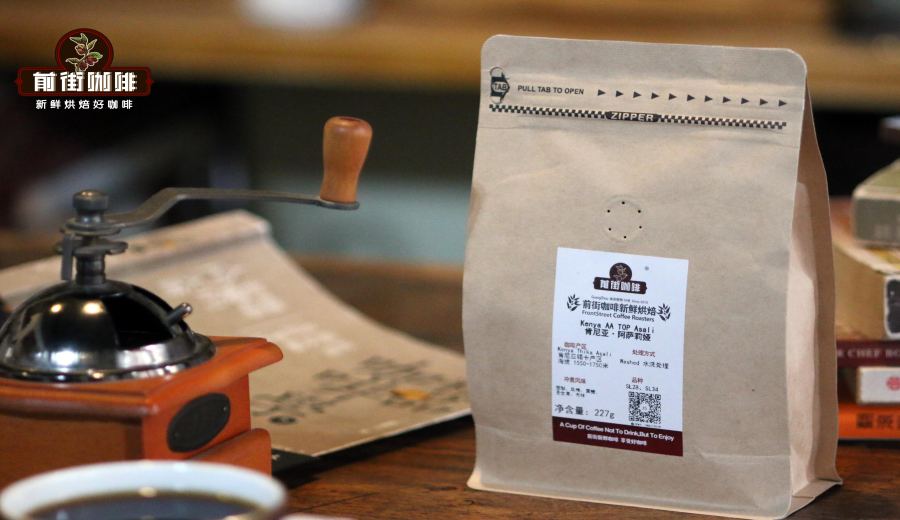
Introduction:Kenya AA coffee beans are renowned for their intense fruity acidity and clear layered flavors. The grading standards, regional characteristics, and processing methods behind them all involve expertise. This article delves into the selection logic of Kenya’s highest-grade AA coffee beans, introduces you to the unique terroir of the Thika region, breaks down the steps and advantages of the classic K72 washed processing method, and focuses on the flavor profiles of the two main varieties, SL28 and SL34. Finally, it provides practical pour over parameters and extraction tips to help you fully showcase Kenya coffee’s bright acidity and complex fruit aromas.
In the world of specialty coffee, Kenya AA coffee beans have long been the “fruit acid benchmark” in the hearts of many coffee enthusiasts. This East African coffee grading system uses bean plumpness, appearance consistency, and flavor brightness as key indicators. Among them, “AA” represents the largest-sized, top-quality grade, typically characterized by strong fruity acidity and clear layering.
To deeply understand Kenya AA, we must start with its growing regions. Thika is located near Kenya’s capital, Nairobi. Although it is an industrial town, it has become one of the important coffee-growing areas thanks to the surrounding fertile farmland and natural water sources. The history of coffee cultivation here dates back to the late 19th century, when coffee trees were introduced from Ethiopia. After years of varietal improvement, the main cultivars now include SL28, SL34, Bourbon, and Typica. Among them, SL28 and SL34 together account for 90% of high-quality production and were the main varieties before the newer Batian variety was widely promoted.
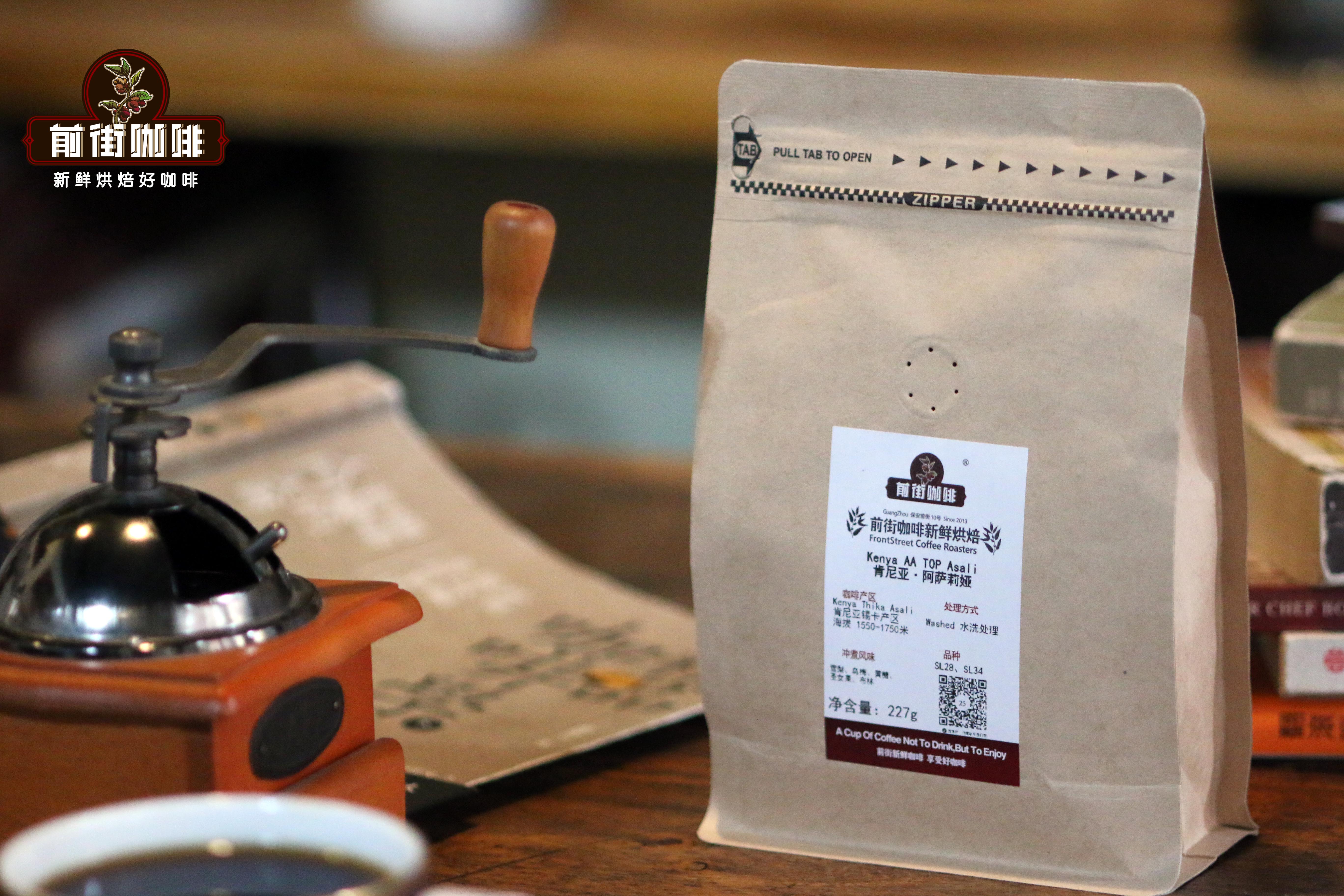
Kenya’s coffee grading system is not based on a single criterion but takes into account multiple factors such as bean size, color, shape, and density. Among these, bean size is the most intuitive basis for judgment—the larger and more uniformly shaped the coffee beans, the more favorable they are for the formation and accumulation of aromatic compounds during roasting. Therefore, the largest and most uniformly sized beans are classified as Grade AA. This is also the grade of the “Kenya Assaliya Coffee Beans” used by a certain shop, which features Kenya coffee’s signature bright fruity acidity and rich layers.
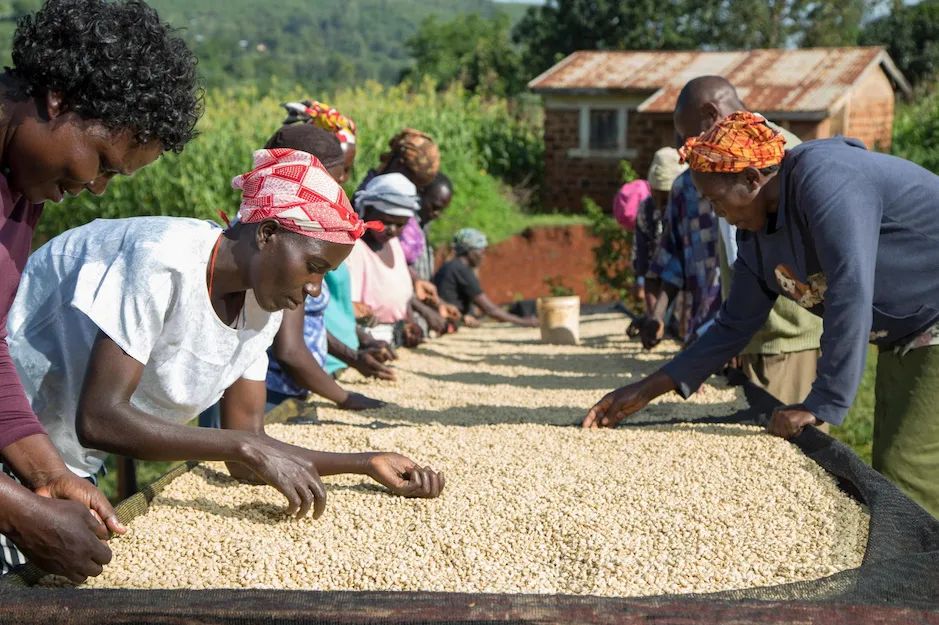
When discussing the unique flavors of Kenya coffee, one cannot overlook its classic “K72 washed processing method.” Unlike the single-fermentation washing commonly seen in Central and South America, Kenya adopts a “double fermentation—washing” cycle: first, the highest-quality coffee cherries are selected, the outer skin is removed, and the first 24-hour fermentation is carried out, followed by thorough rinsing with clean water; then a second 24-hour fermentation is performed and the beans are washed again. This process is repeated three times, accumulating a total duration of 72 hours, hence the name “K72.” This processing method effectively enhances the acidity and cleanliness of the coffee beans, making the final flavors clearer and brighter. It is one of the key techniques that distinguish Kenya coffee from other regions.
As for the variety characteristics of Kenya coffee, SL28 and SL34 are undoubtedly the stars. These two varieties originated in the 1930s when Kenya’s coffee trees were widely affected by coffee berry disease. The Scott Laboratories (Scott Laboratories) were commissioned by the government to breed disease-resistant new varieties. Among the research results, No. 28 and No. 34 not only demonstrated strong disease resistance but also had outstanding flavor performance, and thus were promoted for widespread cultivation by farmers. The SL series belongs to the Bourbon-type coffee trees. In Kenya’s high-altitude environment, they exhibit extreme acidity and complex flavors. During cupping, one can often perceive distinct citrus and dark plum notes, as well as a rich berry juice sensation and honey-like sweetness.
If you want to fully showcase the flavor characteristics of Kenya AA coffee beans at home, pour over is a great choice. Take the “Kenya Assaliya Coffee Beans” as an example. These beans, produced in the Thika region at an altitude of 1550-1750 meters, are processed using the K72 washed method by the Asali Honey Processing Factory. They have dry aromas of small tomatoes, dark plums, and caramel, while the cup offers flavors of black plum, plum, and apricot—dark stone fruits—with full acidity and a tea-like roundness in the aftertaste.
To preserve these delicate fruit aromas, a light roast is recommended. Light-roasted beans have a denser internal structure and require slightly higher water temperature (recommended 92–93°C) and a finer grind (about 80% through a #20 standard sieve, equivalent to the size of fine sugar) to fully release the flavor compounds. In addition, freshness is crucial—after more than a month of storage, the aroma often significantly diminishes. It is recommended to choose freshly roasted beans within 5 days of roasting to enjoy the most complete flavors.
In terms of equipment, the V60 dripper is a favorite among many baristas. Its resin material, combined with a unique flow-guiding rib design (the grooves connecting the top and bottom of the dripper) and a large central hole, accelerates the water flow rate. The spiral-shaped venting slots extend the water path, increasing the contact time between coffee grounds and hot water, resulting in a richer extraction profile.
The specific pour over parameters are recommended as follows: use 15 grams of coffee grounds, a 1:15 powder-to-water ratio (total water volume 225 ml), water temperature 92°C, and a grind size similar to fine sugar (sifted through a #20 sieve to 80%). Use a three-stage extraction—first, pour 30 grams of water for a 30-second bloom, starting with a small stream from the center and spiraling outward to ensure even saturation of the coffee bed; second, switch to a slightly larger stream and pour 120 grams of water, keeping the water column vertical and even, lifting the coffee bed, reaching a cumulative 150 grams at around 55 seconds; third, when the liquid level drops to half, switch to a small stream and pour 90 grams of water in small circles, controlling the flow to avoid dispersing the coffee bed. The total water poured is 240 grams, and the dripping is completed in about 2 minutes and 10 seconds. After removing the dripper, gently swirl the server to mix the coffee evenly, and then enjoy the bright acidity of black plum and dark plum, the rich sweet-tartness of apricots and stone fruits at medium temperature, and the rounded tea-like finish.
The above content is compiled by CoffeeHunters, a coffee news website.


