







Introduction:An in-depth analysis of the characteristics of coffee beans from Guatemala’s Huehuetenango region, covering altitude, variety, and processing methods to fully interpret its unique flavor profile. This article also provides practical pour over parameter recommendations to help coffee enthusiasts master the optimal extraction method, taking you on a journey to explore the rich fruitiness and delicate layers of this classic Central American origin.
As an important representative of Central American coffee, Guatemala’s coffee flavors often leave a deep and smoky impression. This characteristic is not the result of post-processing, but stems from the region’s unique natural terroir. The country’s main coffee-growing regions include Antigua, Huehuetenango, Copán, San Marcos, Atitlán, Acatenango, Fraijanes, and Nuevo Oriente. Each area, due to differences in terrain, altitude, and microclimate, produces coffee beans with distinct flavor profiles.
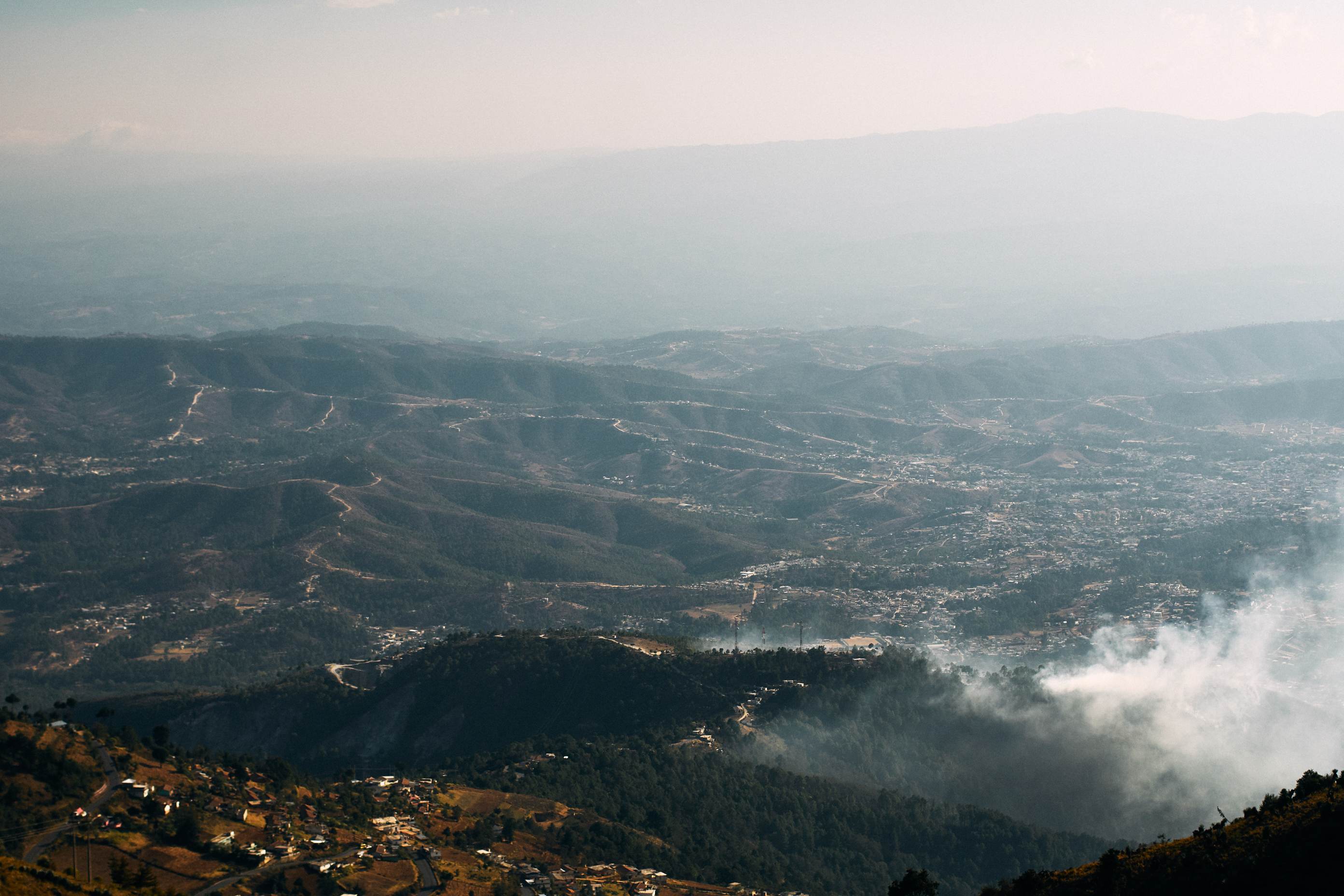
Among them, the Huehuetenango region is known for its intense fruitiness, with altitudes generally exceeding 2000 meters, making it the highest of Guatemala’s three non-volcanic regions. Even so, thanks to the warm winds from Mexico’s Tehuantepec Plain that moderate the climate, the area rarely experiences frost even at high elevations, providing an ideal growing environment for coffee trees.
When it comes to Guatemalan coffee, many people first think of a smoky character reminiscent of a mature, seasoned man. This flavor does not diminish its charm; rather, it becomes a highly distinctive hallmark. In fact, this smokiness is naturally cultivated, inseparable from the mineral-rich volcanic soils of Guatemala. Overall, the country’s coffee tends to exhibit a full-bodied mouthfeel, often accompanied by nutty and chocolatey finishes, making it a classic example of Central American coffee flavors.
Guatemala’s main coffee-growing regions can be subdivided as follows:
Antigua RegionConsidered one of the country’s most representative coffee-producing areas, its soil accumulates abundant minerals from nearby volcanic activity. The still-active Fuego Volcano continuously supplies fresh nutrients, allowing the land to maintain high fertility over the long term. Coupled with moderate rainfall and stable temperatures, Antigua coffee boasts a rich and layered flavor profile.
Huehuetenango RegionIs renowned for its outstanding fruitiness. Its high altitude and unique microclimate enable it to produce distinctly flavored coffee beans, even outside the volcanic zone.
CopánHas a rainy and relatively cool climate. Coffee trees grow in soils mixed with clay and limestone, producing coffee with a relatively balanced flavor, soft acidity, and a medium-to-bright mouthfeel.
San MarcosIs the hottest and rainiest region in the country. To cope with the early arrival of the rainy season, local producers often adopt pre-drying methods, sun-drying the coffee beans in advance before transferring them to dryers.
AtitlánIs surrounded by its namesake lake and close to three volcanoes and the Pacific Ocean. It receives abundant rainfall year-round, averaging over 50 mm per month, with altitudes ranging from approximately 4000 to 5900 feet. Pest and disease issues are minimal, and the coffee exhibits spicy or floral notes, with a rich aroma and full-bodied mouthfeel.
AcatenangoHas altitudes above 2000 feet, dense forests, and mineral-rich soils, producing coffee of stable quality with unique flavors.
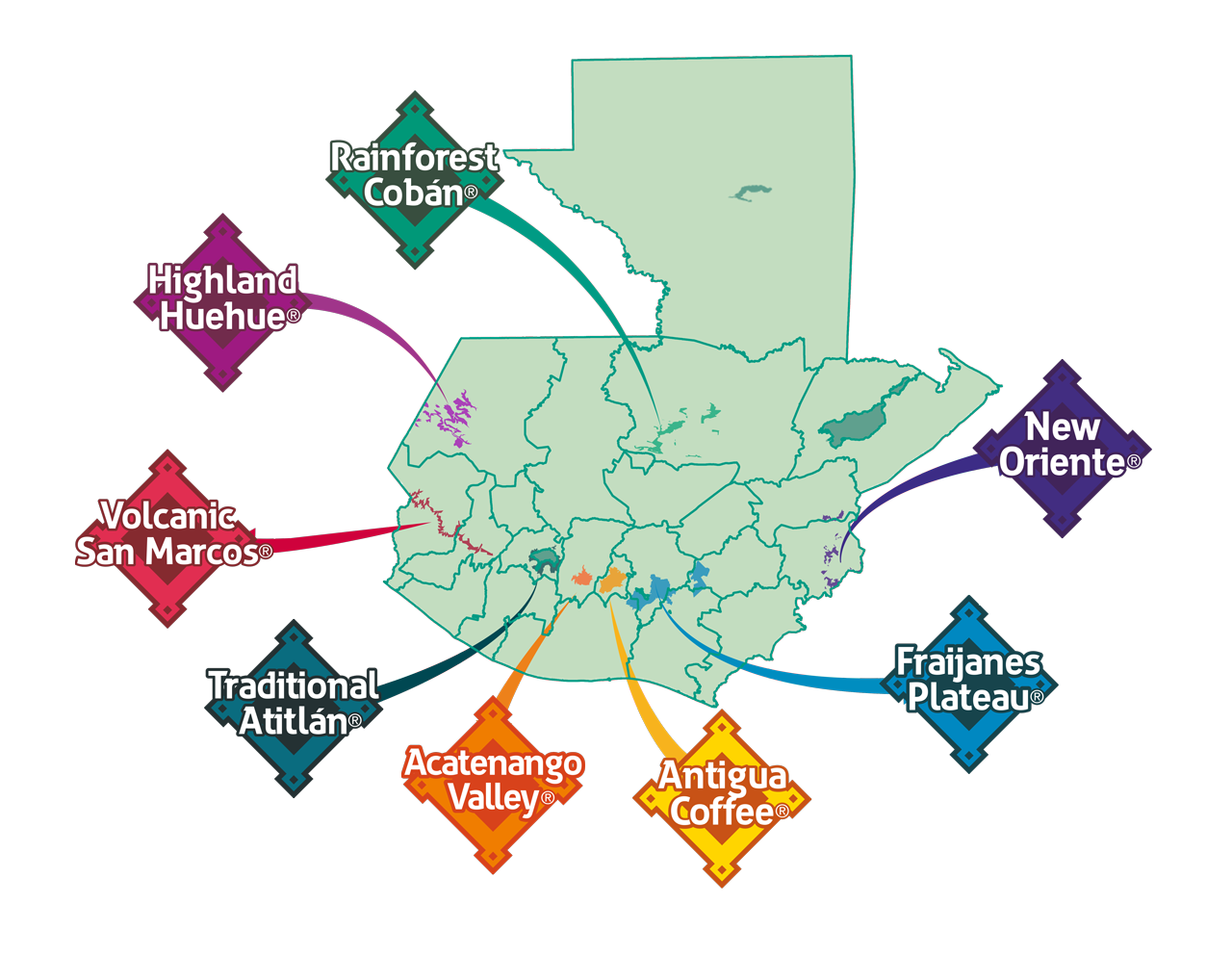
FraijanesBenefits from its proximity to the active Pacaya Volcano, whose ash is rich in key nutrients such as potassium. Combined with moderate altitude and ample rainfall, the region’s coffee boasts a rich aroma.
Nuevo OrienteHas been dominated by smallholder farms since the 1950s, but large plantations have gradually increased in recent years. The region has a cloudy and rainy climate, and its mineral-rich soils provide favorable growing conditions. The coffee produced here features pronounced acidity and a strong aroma.
Among the many brands and estates, one coffee brand’s lineup includes two representative Guatemalan coffees: a washed everyday-drinking bean from the Huehuetenango region, and the “Femme Fatale” coffee bean from the Lamastus Family Estates in the Antigua region.
One coffee brand’sGuatemala HuehuetenangoUses Bourbon, Caturra, and Catuai varieties, showcasing the region’s most original flavor characteristics through the washed processing method. Its main parameters are as follows: the region is Guatemala Huehuetenango, with altitudes ranging between 1500 and 2000 meters.
As for the highly popularGuatemala Antigua Femme Fatale, it comes from the Lamastus Family Estates, grown at an altitude of about 1200 meters, also using the washed processing method. The Antigua region experiences less summer rainfall and occasional severe cold and frost in winter. However, the porous volcanic pumice soil retains water well, and the combination of moderate shading and significant diurnal temperature variation creates this coffee’s unique blend of smoky and fruity flavors.
The Lamastus Family Estates is known for its rigorous planting and post-harvest processes. Not only are pesticides prohibited, but soil nutrient analyses are conducted twice a year, with targeted supplementation of trace elements such as zinc, boron, and copper to ensure healthy coffee tree growth and consistently excellent fruit quality. After harvest, the coffee beans are sent to the largest wet mill in the area, Las Pastores, for processing. These meticulously processed beans are also named “Femme Fatale” by the estate.
In terms of roasting, to highlight the elegant floral and fruity notes of Femme Fatale while preserving its soft tea-like texture, the roaster opted for a medium roast and shortened the caramelization phase after the first crack. For pour over extraction to fully showcase its aromatic layers, the following parameters are recommended: use a Hario V60 dripper, set the water temperature to 91°C, use 15 grams of coffee, with a 1:15 coffee-to-water ratio, and aim for an 80% extraction rate through a #20 sieve. The specific steps are: start with a 30-second bloom using 30 grams of water, followed by a slow circular pour to reach 125 grams in the second stage. When the water level is about to expose the coffee bed, proceed to the third pour, adding water up to a total of 225 grams before stopping. The overall extraction time should be controlled to around 2 minutes.
The brewed Guatemala Femme Fatale coffee delivers a bright citrus acidity with a lively, fresh-juice-like sourness, along with abundant floral aromas and moderate sweetness. It has a medium body, and in the aftertaste, hints of caramel sweetness and smoky notes emerge. The overall flavor profile is multi-dimensional and well-balanced, making it a classic Central American coffee worthy of careful savoring.
The above content is compiled by CoffeeHunters, a coffee news website.


