







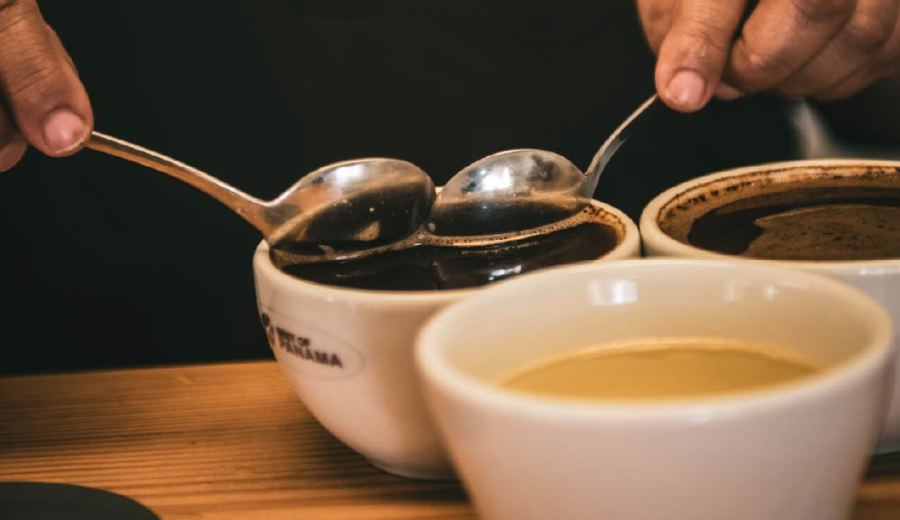
Introduction:An in-depth exploration of the top-tier Geisha coffee from Panama’s Elida Estate, covering everything from the variety’s origins and high-altitude growing environment to the highly acclaimed ASD anaerobic slow-dry processing method. This article fully breaks down the flavor differences between the washed and anaerobic natural processing methods. It also provides practical pour over parameters and brewing suggestions to help you master the brewing tips and tasting points of this top-tier bean used in international competitions.
In the world of specialty coffee, the Geisha variety is undoubtedly one of the most iconic, not only because of its unique aroma and layered complexity, but also due to its consistently high scores in international competitions. Among them, Panama’s Boquete region’s Elida Estate has set a historic record with its Geisha coffee, achieving a remarkable score of 94.15 in the 2016 BOP (Best of Panama) auction and selling for nearly NT$9,000 per pound — a price that remains legendary in the industry to this day.
The origins of the Geisha variety can be traced back to 1931, when it was first discovered in the Gesha mountain region of Ethiopia. Its name is derived from the pronunciation of this mountain, which coincidentally sounds similar to Japan’s “geisha” (芸妓), hence the phonetic transliteration. Over the following decades, Geisha seeds were gradually introduced to Kenya, Uganda, Tanzania, Costa Rica, and other regions, but it wasn’t until the 1970s that it was brought to Panama by the Hacienda La Esmeralda estate. However, due to initially low yields, Geisha did not receive much attention until 2004, when Hacienda La Esmeralda’s beans made a splash in cupping competitions, propelling Geisha to fame.
Geisha coffee beans have a beautiful bluish-green appearance, especially those processed via the washed method, which appear even more crystal clear. They are slender in shape and have a smooth, jade-like tactile feel. Their dry aroma often carries fresh grassy notes, peach, berries, and the rare creamy sweetness reminiscent of oolong tea — an aromatic complexity that often requires careful appreciation. Compared to Yirgacheffe, which is also known for its floral notes, Geisha’s floral aromas are clearer and more distinct, with brighter citrus acidity and a more three-dimensional flavor profile. Geisha from different regions and processed differently also exhibit unique characteristics, among which the Panama Elida Estate version is one of the classics.
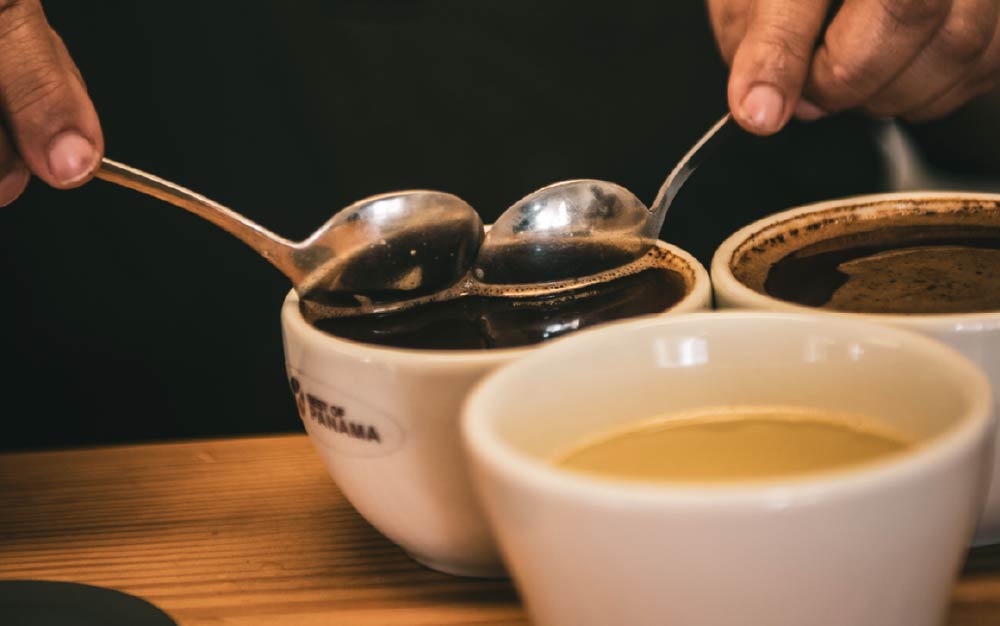
Located in Panama’s Boquete region, Elida Estate sits at an altitude of 1,850 to 1,900 meters in a mountainous environment, with some areas even bordering the Volcán Barú National Park. The estate not only benefits from fertile volcanic soil, but also enjoys significant day-night temperature variations, which help accumulate flavors and concentrate sugars in the coffee cherries. Elida Estate primarily grows multiple varieties including CATUAI, GEISHA, and Caturra, among which Geisha performs exceptionally well.
The estate’s washed Geisha won the washed category championship in the 2016 BOP competition, not only earning a high score of 94.15 but also achieving an astonishing price in the international market. It also became the designated coffee for the champion barista of that year’s Japan Barista Championship. The washed Geisha typically exhibits flavors of citrus, honey, berries, and green tea, with a smooth and rounded mouthfeel, making it a popular entry choice for many Geisha enthusiasts.
In addition to traditional washed processing, Elida Estate has also adopted the ASD anaerobic slow-dry processing method, a technique developed by the estate owner, the Wilford family, and one that has garnered significant industry attention in recent years. ASD (Anaerobic Slow Dry) refers to the process where fully ripe coffee cherries are initially cleaned and then placed in sealed containers for 3 to 7 days of anaerobic fermentation, followed by adjustments to the subsequent drying process based on the degree of fermentation. The key lies in controlling the drying speed and environment to further influence microbial activity, thereby shaping a richer and more complex flavor structure.
This anaerobic slow-dry natural processing method requires more time and labor, and also demands higher climatic conditions, resulting in limited overall production and relatively higher costs. But it is precisely this level of care that allows the final coffee beans to deliver outstanding performance in terms of floral-fruity tones and layers of sweetness.
Taking Elida Estate’s anaerobic slow-dry natural Geisha as an example, the recommended pour over parameters are as follows: use a Hario V60 filter, control the water temperature at 90–91°C, and set the grind size to medium-fine (approximately 58% passing through a Chinese standard No. 20 sieve, equivalent to BG 5R), with a recommended powder-to-water ratio of 1:15. For specific brewing, you can use a multi-pour method — start by adding 15 grams of coffee grounds, pour 30 grams of water for a 30-second bloom, then slowly circle-pour to reach 125 grams before pausing briefly. Once the water level drops, continue pouring up to 226 grams to finish extraction, with a total brew time of about 1 minute and 50 seconds.
This brewing method fully highlights the unique flavors of anaerobic natural Geisha: upon first sniff, there are subtle fermentation aromas and elegant floral notes. On the palate, you can perceive distinct layers of grapefruit, lemon, and guava acidity. The mid-palate gradually releases a honey-like sweetness, while the finish leaves a mellow black-tea-like aftertaste. The overall profile is balanced and layered.
In summary, whether you prefer the bright acidity and floral-fruity notes of the washed process or the rich fruitiness and sweet complexity of the anaerobic natural process, Panama Elida Estate’s Geisha coffee offers a highly distinctive tasting experience. If you wish to explore the diverse profiles of Geisha, consider starting with these two processing methods from this classic origin, paired with precise pour over parameters, to fully appreciate its unique coffee charm.
The above content is compiled by CoffeeHunters, a coffee news website.


