








Introduction:Thanks to its exceptional geographical conditions, Costa Rica produces Arabica coffee with delicate flavors and distinct layers. From its early introduction to today’s strict quality control, how has this Central American country cultivated consistently high-quality coffee? This article delves into the characteristics of its eight major producing regions, the differences among mainstream varieties, and offers practical pour over brewing tips to help you fully grasp the essence of Costa Rican coffee.
With its high-altitude terrain, mineral-rich volcanic soil, and diverse microclimates, Costa Rica has become one of the most renowned specialty coffee origins in Central America. Since the introduction of the first coffee tree in 1729, the region has gradually established a rigorous coffee production system through policy guidance and technical expertise, resulting in coffee beans that are well-balanced and highly distinctive in flavor.

The history of coffee cultivation in Costa Rica dates back to the early 18th century. In 1729, the country introduced its first batch of coffee seedlings from Cuba, marking the beginning of Arabica variety cultivation. After gaining independence in 1821, the government actively promoted the coffee industry. In 1825, it introduced a tax exemption policy, and in 1832, it enacted the “Coffee Cultivation Grants Land” policy, encouraging farmers to plant coffee on idle land and granting them direct land ownership. This measure significantly boosted the expansion of coffee farms and laid the foundation for the predominantly privately-owned estate operations seen today.
To ensure coffee quality, Costa Rica legislated in the early 20th century that only Arabica varieties could be grown within its borders, excluding other low-altitude or disease-prone varieties. In 1989, legislation further prohibited inferior beans, with oversight by official agencies and research institutions such as ICAFE and CATIE to ensure that every stage—from planting and post-harvest processing to export—met high standards. This has made Costa Rican coffee globally recognized for its consistent flavor profile.
Costa Rica’s coffee-growing regions are primarily concentrated in eight areas: West Valley, Central Valley, Tarrazú, Tres Ríos, Orosi, Brunca, Turrialba, and Guanacaste. Among these, West Valley, Central Valley, and Tarrazú, with elevations ranging from 1,200 to 2,000 meters, are considered the core regions for specialty coffee.
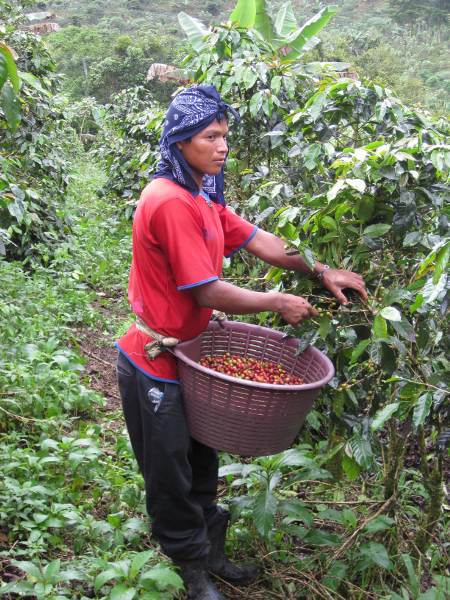
Due to differences in altitude, soil, and microclimate, each region produces coffee with unique flavor profiles. Tarrazú is renowned for its exceptional cleanliness and bright acidity, often featuring citrus and berry notes with a well-balanced sweet-and-sour taste and distinct layers. West Valley coffee tends to have softer acidity, a rounder mouthfeel, and nutty and caramel aromas in the aftertaste. Central Valley showcases extreme purity and sweetness, with an excellent balance between acidity and body, making it ideal for drinkers who prefer nuanced flavors.
In terms of varieties, Costa Rica mainly cultivates Caturra, Catuai, Geisha, Bourbon, and Villa Sarchi. Caturra, a Bourbon mutation, has a shorter tree structure, strong adaptability, and a wide range of suitable altitudes—the higher the elevation, the better the flavor. Catuai combines wind and rain resistance with a compact plant structure that’s easy to manage, though it requires attention to leaf rust issues. Geisha, originating from Ethiopia, exhibits delicate floral and fruity acidity when transplanted to Costa Rica, with even more pronounced layers at high altitudes. Bourbon excels at high-altitude cultivation, often showcasing wine-like aromas and bright acidity. Villa Sarchi, a natural mutation of Bourbon, has complex aromas and is suitable for medium-to-dark roasts, offering layered notes of perfume, cherry, and spices.
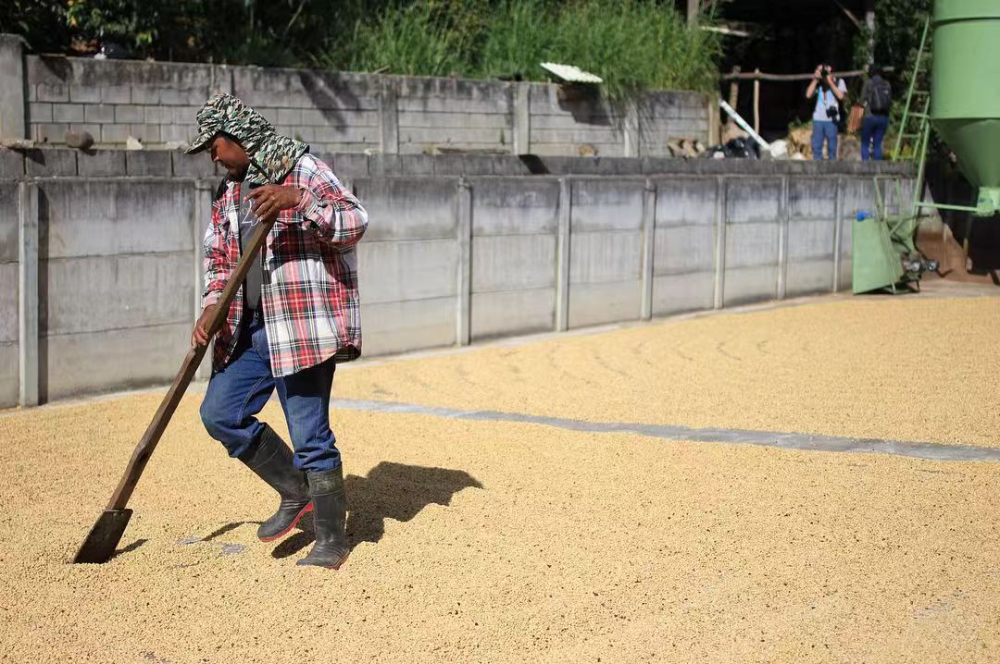
Costa Rican coffee beans are primarily graded based on cultivation altitude. The higher the altitude, the greater the bean density and hardness, and typically, the better the quality. Common grades include SHB (Strictly Hard Bean), which refers to high-altitude beans grown above 1,200 meters and is a widely recognized high-quality grade in the market.
To brew Costa Rican coffee at home and highlight its elegant flavors, it is recommended to use 15 grams of coffee grounds with a medium-fine grind size (about 78–80% passing through a Chinese No. 20 standard sieve), and a brew ratio of 1:15. Brewing with water at 90–91°C will fully bring out the aroma and sweetness. A V60 dripper is recommended to enhance the layers of flavor. The specific steps are: start with a 30-second bloom using 30 grams of water, then pour up to 125 grams and wait for the liquid level to drop, followed by pouring the remaining water up to 225 grams. The total extraction time is about 2 minutes and 10 seconds, yielding a balanced and expressive cup of coffee.
The above content is compiled by CoffeeHunters, a coffee news website.


