







Introduction:The Moka pot is a classic tool for making espresso-style coffee at home. It’s simple to use yet offers great versatility. By mastering the right bean selection, grind size, coffee-to-water ratio, and the timing of turning off the heat, you can brew rich, layered coffee with a Moka pot. This article delves into practical tips for each step and recommends several coffee beans that work well with the Moka pot, helping you easily brew your own unique flavor.
The Moka pot is a staple in many coffee lovers’ homes. Though its structure is simple, mastering key techniques can allow you to brew coffee as rich as that from professional cafés. This article will break down Moka pot brewing tips step by step—from bean selection, grind size, coffee-to-water ratio, heat control, to the timing of turning off the heat—and provide useful reference advice so you can adjust flexibly according to your personal taste.
I. How to Choose Coffee Beans Suitable for the Moka Pot
The flavor of coffee brewed with a Moka pot is closely related to the roast level and origin characteristics of the beans you choose. It is generally recommended to selectmedium to medium-dark roastedbeans. Too light a roast may bring out sharp acidity and herbal notes, resulting in a more intense and stimulating taste; too dark a roast may release excessive burnt and bitter substances, affecting the overall balance.
Here are several types of coffee beans suitable for use with a Moka pot:
First are classic Italian blends. These beans usually produce rich crema and deliver aromas of chocolate, caramel, malt, and toasted bread. They are ideal for those who prefer a bold flavor profile and are suitable for both straight drinking and milk-based drinks.
Next are medium-dark roasted blends, often a mix of Brazilian beans and beans from other regions. These have a distinct caramel sweetness and nutty character, making them suitable for both black coffee and milk coffee. They offer balanced flavor and good value.
There are also medium-roasted blends primarily composed of beans from various origins such as Costa Rica, Ethiopia, and Colombia. These often feature fruity notes, floral aromas, and soft sweet-and-sour aftertastes, appealing to those who enjoy fruity profiles. No matter which beans you choose,it is recommended to select freshly roasted beans within 10 days of the roast dateto ensure optimal flavor expression and crema release.
II. Grind Size Settings for the Moka Pot
Grind size is one of the key factors affecting the extraction efficiency of the Moka pot. The ideal grind size is approximately0.3 to 0.55 millimeters—visually similar to the grind used for espresso machines, but actually slightly coarser than espresso. If ground too fine, it may lead to filtration difficulties, preventing the coffee liquid from passing through the coffee bed smoothly. This not only prolongs extraction time but can also result in over-extracted, burnt, and bitter flavors. If ground too coarse, water flows too quickly, leading to under-extraction, resulting in thin flavor and sharp acidity.

III. Coffee-to-Water Ratio and Coffee Ground Filling Tips
There is no absolute standard for how much water and coffee powder to use in a Moka pot—the key is to adjust based on the capacity of the pot. It is generally recommended to fill the water up to just below the safety valve to avoid overflow that could cause abnormal pressure. The coffee grounds should fill the basket but do not need to be tamped down—keeping the coffee bed level is sufficient. Unlike an espresso machine,there is no need to tamp the coffee groundsin a Moka pot; over-tamping can actually affect water flow speed and extraction uniformity.
IV. Mastering the Timing of Turning Off the Heat
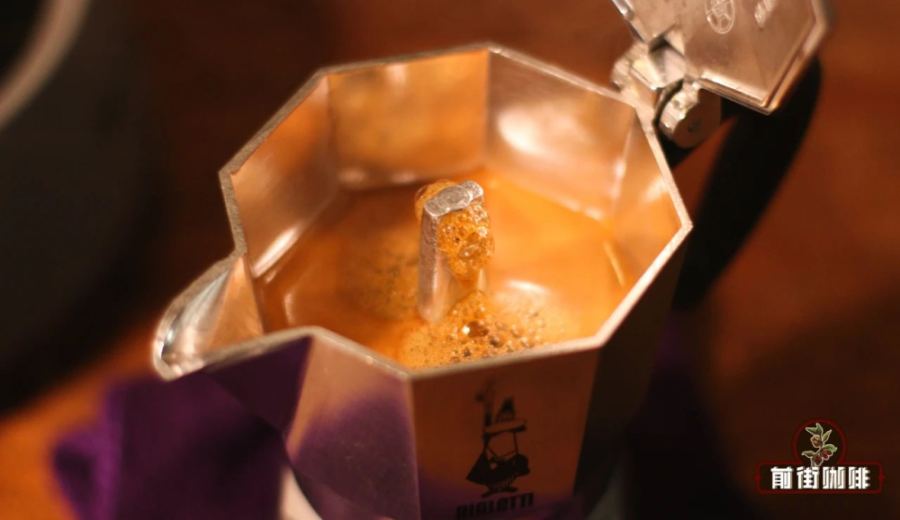
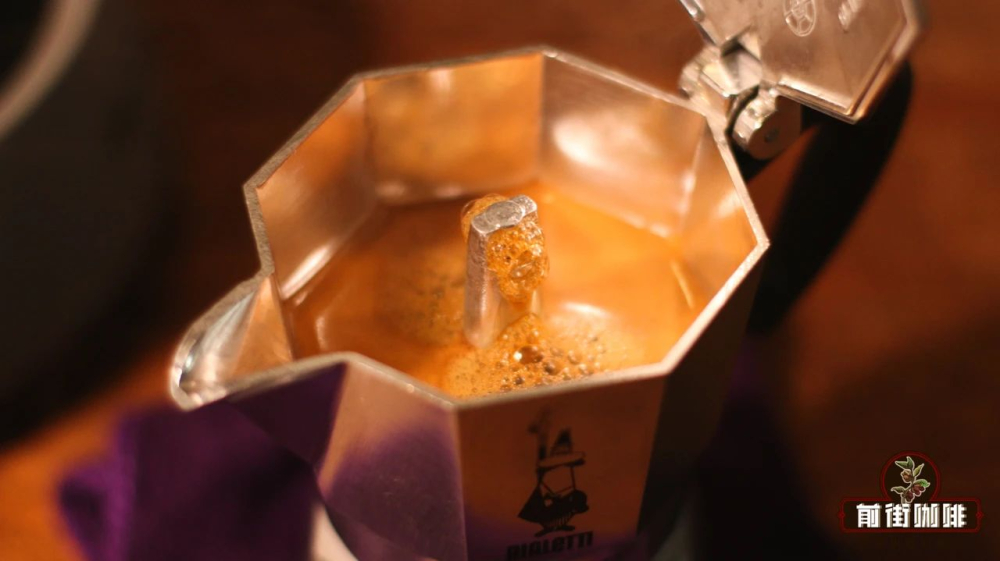
Heat control is crucial when using a Moka pot. It is recommended to usemedium heatto heat up, allowing the water temperature and pressure to rise steadily. When you hear a continuous “wuu wuu” sound, it indicates that pressure is gradually building. At this point, you can open the lid to observe. Once you see the first drop of coffee liquid coming out, it’s time to turn off the heat. If you wait until the coffee is vigorously boiling or producing a lot of foam before turning off the heat, you’re likely to end up with a burnt and bitter brew.

V. Should You Keep the Lid Open While Brewing with a Moka Pot?
Many tutorial videos show the coffee liquid spraying out with the lid open, but in actual practice,you usually don’t need to keep the lid open. If you’re concerned about excessive heat or want to check the extraction status, you can briefly open the lid to observe—but be cautious of hot steam and splattering coffee liquid to avoid burns. In most cases, keeping the lid closed ensures more stable extraction and helps prevent unnecessary loss of flavor.
The above content is compiled by CoffeeHunters, a coffee news website.


