







Introduction:Gain an in-depth understanding of Brazil's rigorous coffee grading system, from regional designations, defect grading, screen size classification to cupping and flavor evaluation. Learn the key factors that influence flavor. This article also provides practical espresso extraction parameters and Americano blending ratios to help you brew balanced and rich Brazilian-style coffee at home.
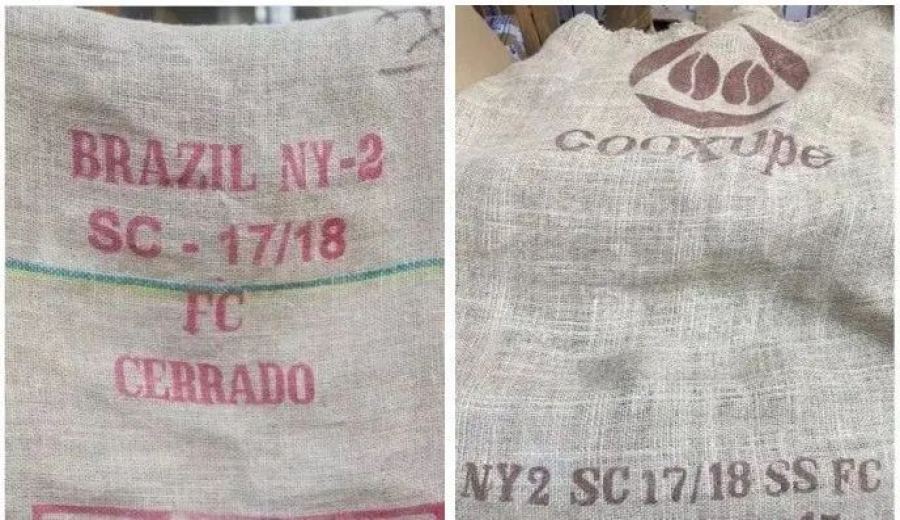
Brazil is the world’s largest coffee producer, and its exported green coffee beans often come with a code on the burlap sack consisting of letters and numbers, such as "CERRADO NY-2 SC-17/18 SS FC". This code is actually the Brazilian government’s complete classification of coffee grades, established by the Ministry of Agriculture, Livestock and Supply (MAPA). It covers aspects such as production region, defect grading, bean size, cupping performance, and sensory evaluation.
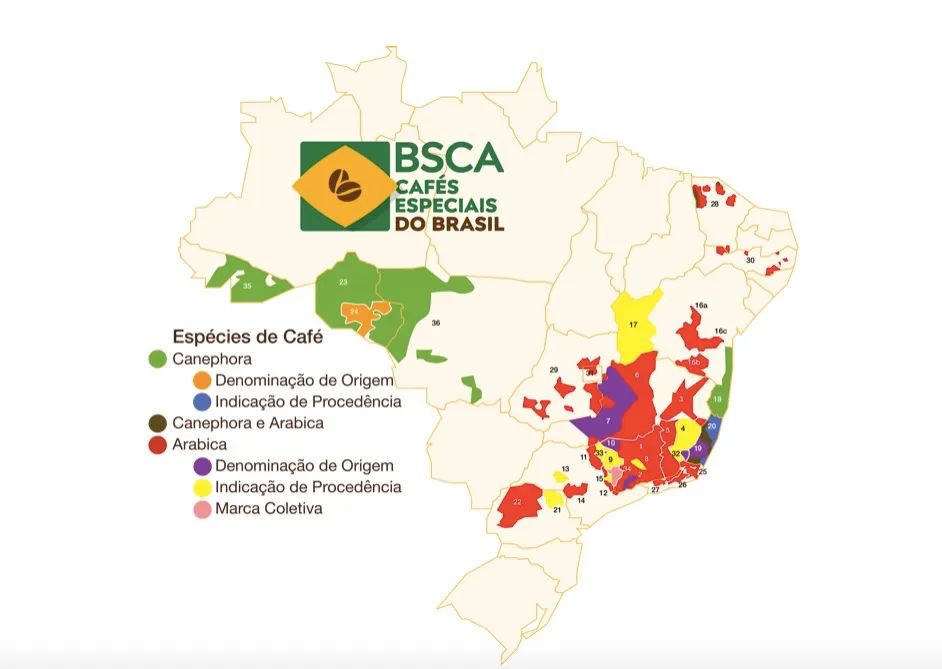
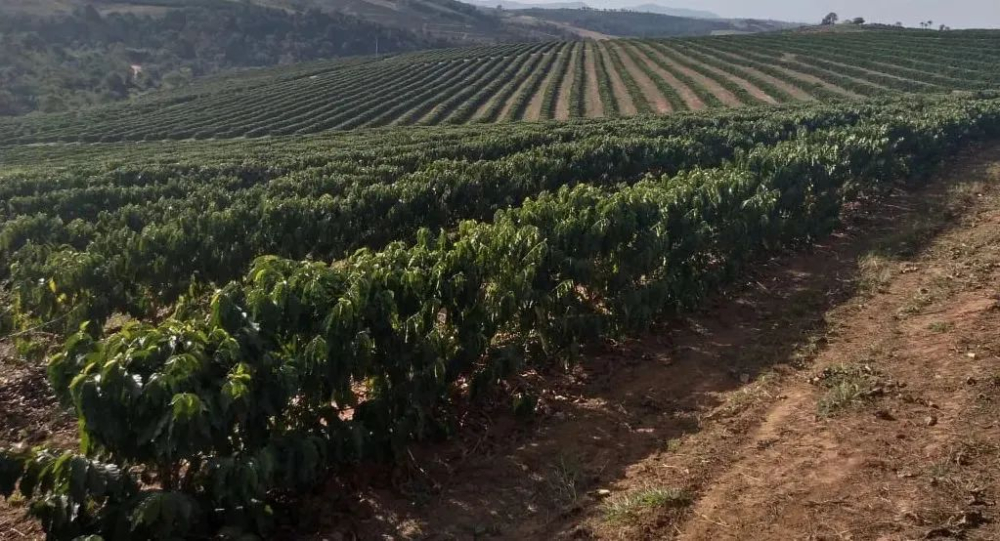
Brazil has 26 states, 17 of which primarily cultivate coffee as a cash crop. In the early days, production regions were mainly classified by “state”, but as specialty coffee trends emerged and consumer demand for transparency in flavor origin increased, regions have since been further subdivided into smaller areas, such as the renowned MOGIANA, SUL DE MINAS, and CERRADO. These subdivided region names are usually directly labeled on the burlap sacks, helping to trace the regional characteristics of the coffee’s flavor.
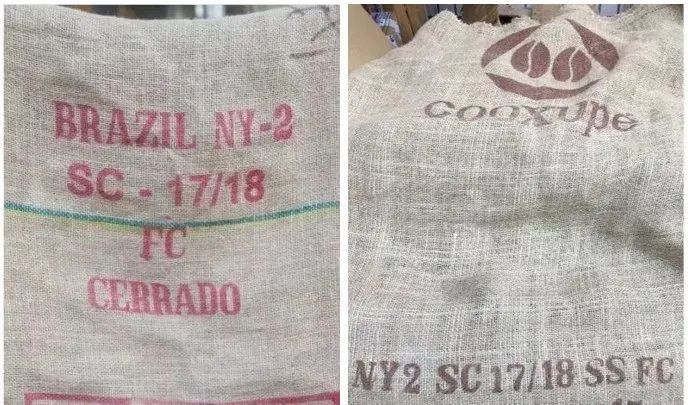
In Brazil’s green coffee grade codes, the commonly seen "NY2" refers to the defect grading, a standard derived from the Green Coffee Association of New York (hence the “NY” prefix). Many coffee-producing countries have their own top-tier grades, such as Ethiopia’s “G1” or Kenya’s “AA”, but Brazil uses “NY2” as the highest defect grade, rather than “NY1”. This is because, according to Brazil’s scoring logic, achieving “NY1” would require zero defects, which is extremely difficult in practice, so this grade is not established.
Brazil’s defect grading is carried out by taking a 300-gram sample of green beans, inspecting each one for defective beans, and evaluating using a deduction system. The more defects there are, the higher the deductions, and the lower the grade. Common grades from high to low are: NY2, NY2/3, NY3, NY3/4, NY4. The higher the number, the higher the proportion of defects, and the relatively lower the quality.
In addition to defect grading, the grade of Brazilian coffee is also assessed based on bean size, or “screen size (SC)”. The screen sizes commonly used in Brazil range from 16 to 19, with 17/18 and 16/17 being the most common. Although 19 is the highest grade, it is rare due to limited production. “SC” stands for this screen size grade—the higher the number, the more uniform the beans are, and usually the better the density, which contributes to consistency in roasting and extraction.
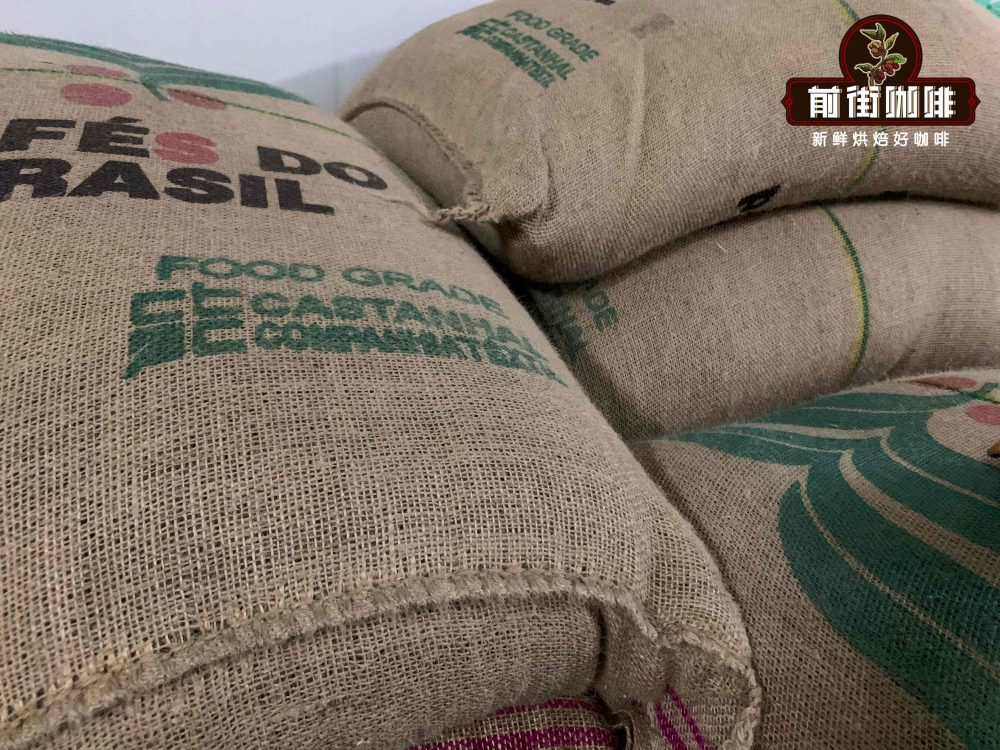
Next comes the cupping stage, a crucial step in evaluating the flavor profile of the coffee. Brazil adopts the Specialty Coffee Association (SCA) standard cupping system, classifying coffee into multiple grades based on cupping scores. Scores above 85 are classified as “Strictly Soft (SS)”, representing a high-quality grade; scores between 80 and 84 are classified as “Soft (S)”, still demonstrating good flavor performance. Cupping not only evaluates flavor clarity, sweetness, and acidity, but also includes aftertaste and overall balance, making it a key indicator for determining a coffee’s potential.
Finally, subjective flavor grading is also conducted based on the actual taste experience after brewing. This includes six grades: Fine Cup (FC), Fine, Good Cup, Fair Cup, Poor Cup, and Bad Cup. Among these, Fine Cup (FC) and Good Cup (GC) are the most common commercial grades. Coffees of these grades typically offer stable flavor profiles and good drinkability, making them widely used in commercial blends and everyday consumption.
Although Brazilian coffee may not stand out in flavor as prominently as some other origins—its acidity is relatively low—its greatest strength lies in its high production volume, affordable pricing, and stable flavor profile. It often presents a balanced character of cocoa, nuts, and caramel. This makes Brazilian beans an important base for many espresso blends, enhancing the body and richness of espresso while also helping to control costs.
Taking a popular classic espresso blend as an example, this formula is commonly used for espresso preparation in cafes. If you want to recreate a similar flavor at home, you can refer to the following practical extraction parameters: use 20 grams of coffee grounds, aim to extract 40 grams of coffee liquid, with a brew ratio of 1:2. The recommended grind size is around Galileo 2.0, suitable for most home espresso grinders with double-shot baskets. The extraction time should be controlled between 26 and 32 seconds—too short may result in under-extraction and weak flavor, while too long may lead to over-extraction and burnt bitterness.
For specific operation, it is recommended to first clean the portafilter basket, then use the grinder to uniformly grind out 20 grams of coffee grounds. Level the coffee bed with a distribution tool, then apply firm and even tamping pressure to ensure a compact puck. Start by pouring 1–2 seconds of water to pre-wet the group head, then attach the portafilter and begin the official extraction. It is advised to use an electronic scale to monitor the weight of the extracted liquid. When it reaches 40 grams and the time is close to 30 seconds, stop the extraction to achieve a balanced and aromatic shot of espresso.
After pulling the shot, if you want to prepare a smoother hot americano, it is recommended to add hot water at a 1:5 ratio—that is, dilute 40 grams of espresso into a 200-gram beverage. This ratio maintains the original flavor structure of the coffee while offering a softer, smoother mouthfeel, along with a clear and bright aftertaste, making it very suitable for daily enjoyment.
The above content is compiled by CoffeeHunters, a coffee news website.


