








Introduction:As a symbol of Ethiopia’s specialty coffee, Yirgacheffe’s sun-dried and red honey processed Red Cherry series beans have gained widespread popularity among pour-over enthusiasts for their distinctive flavors. This article delves into the origin background, processing methods, and roasting concepts of these two G1-grade coffee beans, while offering practical extraction tips tailored for the V60 dripper. It also compares the impact of one-pour and three-stage pouring techniques on flavor profiles, helping beginners master key parameters and sensory identification skills.
Yirgacheffe is located in southern Ethiopia, with an average elevation ranging from 1,700 to 2,100 meters, making it one of the highest-altitude coffee-growing regions in the world and a benchmark origin for specialty coffee. The area’s unique geography—including the ample moisture provided by Lake Turkana, Lake Abaya, and Lake Chew Bahir, along with the cool microclimate of the misty valley—creates coffee beans with a richly layered personality that blends floral and fruity notes.
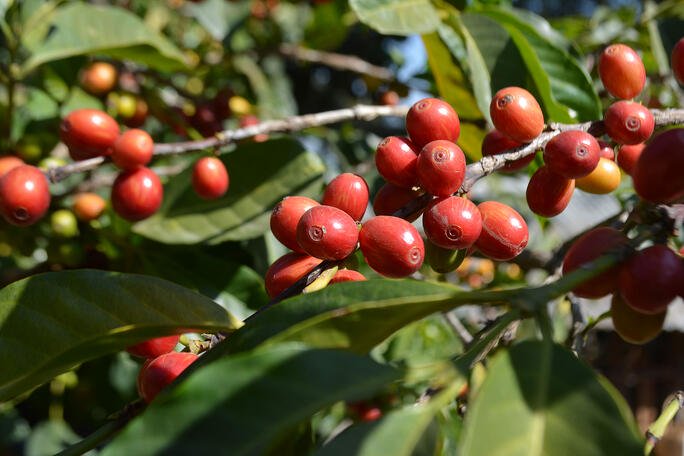
The history of coffee cultivation here dates back to the era of European missionaries, when it was first introduced and grown by monasteries before being managed by local farmers and cooperatives. During harvest season, farmers carefully select fully ripe coffee cherries, which then circulate through local auction systems before being exported under the unified “Yirgacheffe” brand. Among them, the “Red Cherry Project” has been a key initiative in improving quality and increasing farmers’ income.
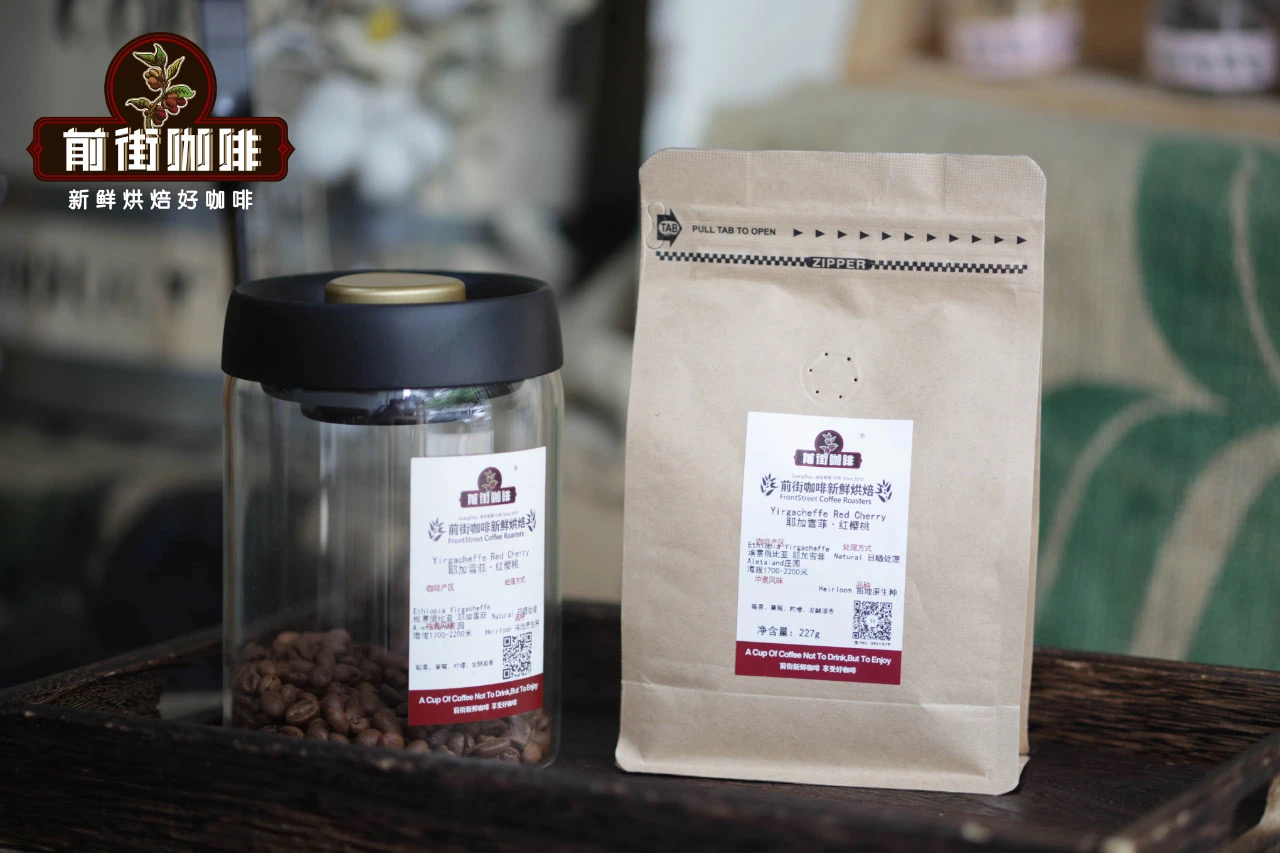
The Red Cherry Project, led by Dutch trader Trabocca, aims to address the issues of inconsistent quality and low prices in Ethiopian coffee beans. By offering higher prices for premium green beans, the program encourages farmers to adopt more meticulous harvesting and processing practices, insisting on handpicking only fully ripe coffee fruits to significantly enhance the final flavor profile. This model has now been extended to other renowned producing areas such as Sidamo, the Punja Forest, and Harrar, becoming an important benchmark in the specialty coffee supply chain.
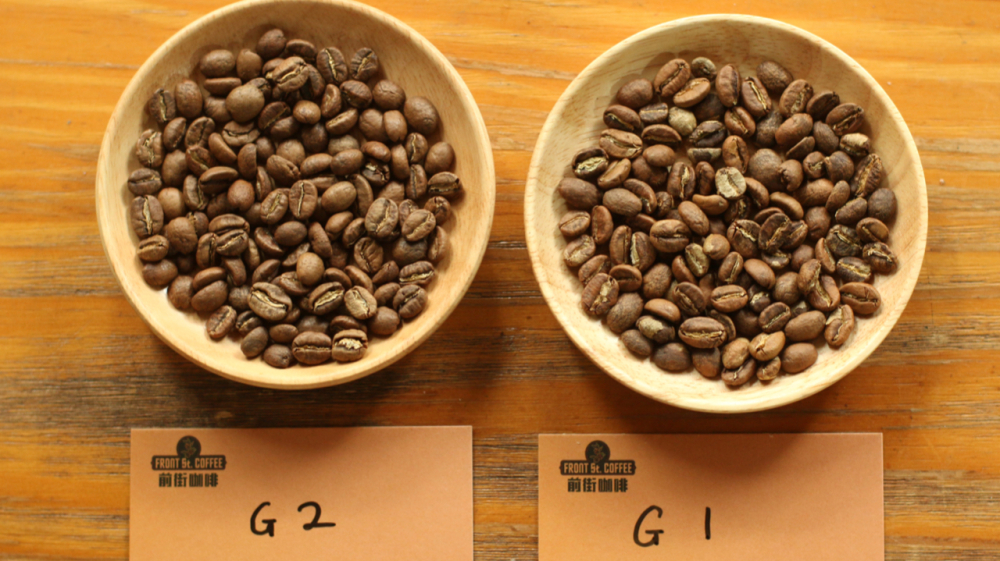
According to the grading system of the Ethiopian Commodity Exchange (ECX), coffee beans are categorized into G1 and G2 grades based on defect rates, with G1 being the highest grade—allowing no more than three defective beans per 300 grams of green beans. The two Yirgacheffe Red Cherry coffee beans featured in this article—the sun-dried and red honey processed versions—are both G1 grade, offering stable quality and outstanding flavor performance.
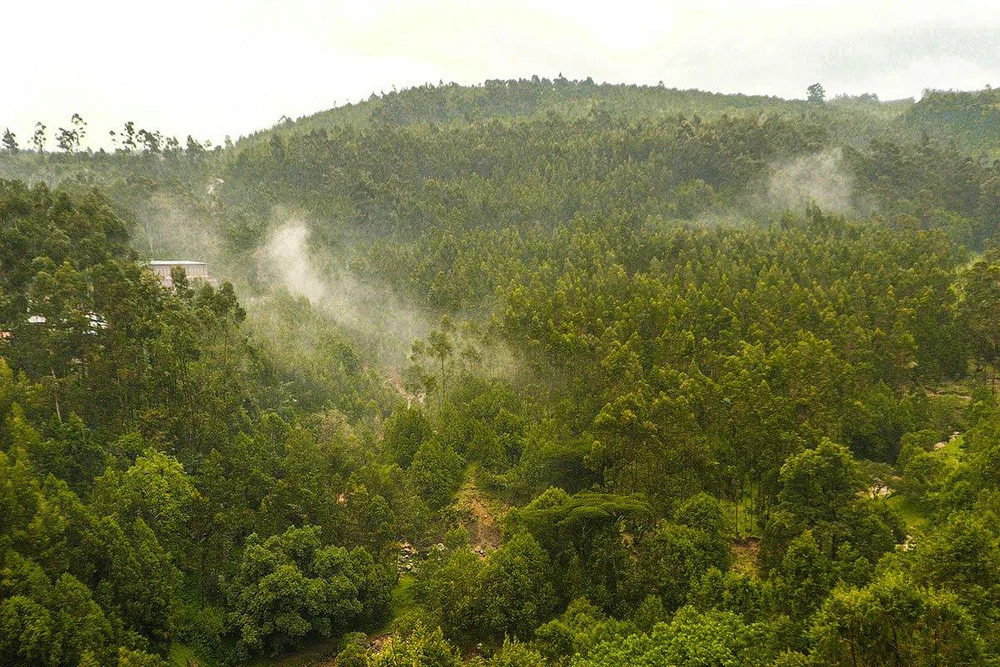
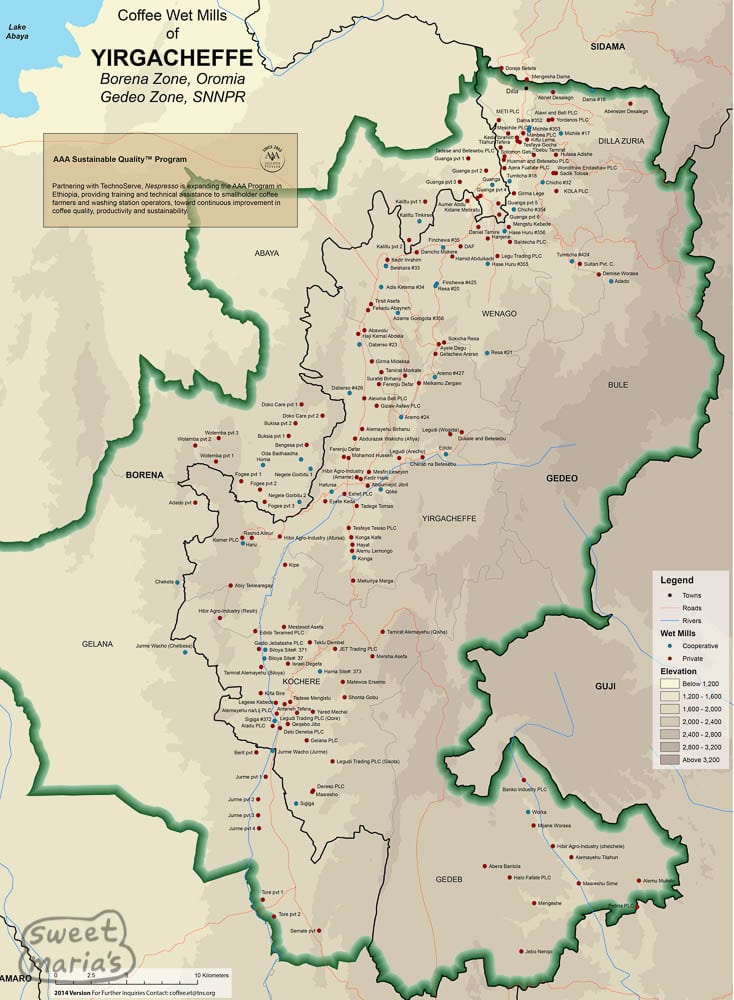
These two coffee beans come from the Aletaran washing station and the Idido (IDIDO) cooperative, respectively. The former is jointly operated by hundreds of smallholder farmers, with planting elevations close to 2,000 meters, featuring large diurnal temperature variations and fertile soil. The latter belongs to the Yirgacheffe Coffee Farmers Cooperative Union (YCFCU), with the producing region receiving abundant annual rainfall and an elevation of around 2,000 meters. Smallholders typically harvest fully ripe red cherries between December and February each year, resulting in distinct regional characteristics.
The natural (sun-dried) processing method involves placing the entire coffee cherry, including its flesh and skin, on raised drying beds for prolonged natural drying. This method requires strict environmental control to prevent the beans from contacting the ground and absorbing off-flavors, usually taking over two weeks until the fruit pulp’s moisture evaporates and the sugars are fully concentrated, after which the beans are separated from the pulp. This process imparts intense tropical fruit and fermented wine-like aromas, with bright acidity and prominent sweetness.
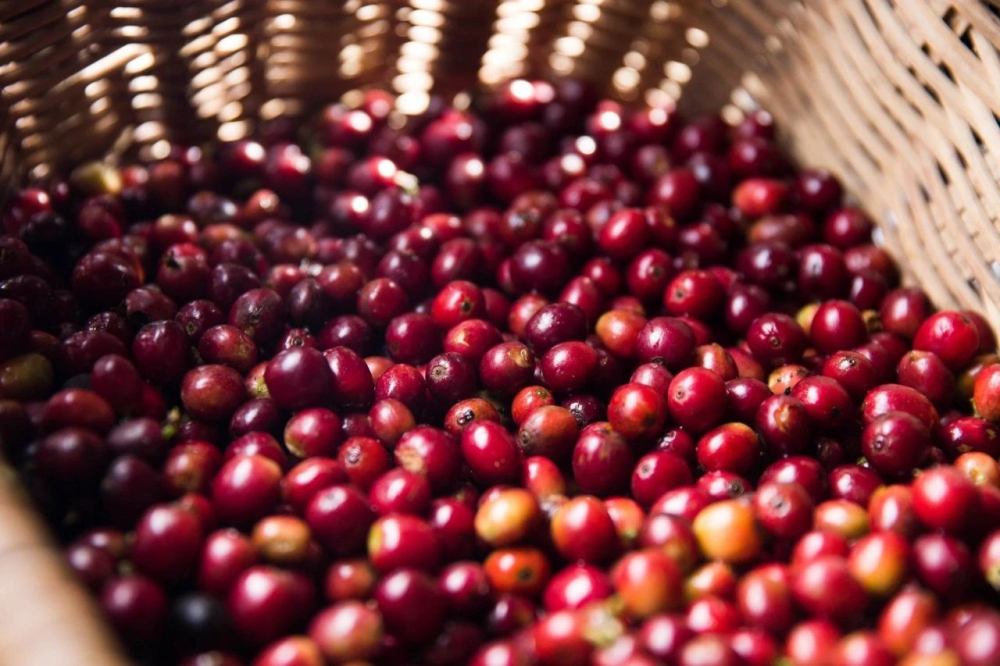
The red honey processing method, on the other hand, removes the outer fruit flesh but retains a portion of the mucilage layer for sun-drying. The mucilage is rich in sugars and nutrients essential for fermentation, greatly influencing the final flavor. Depending on the proportion of mucilage retained, it can be categorized into yellow honey (around 60% retained), red honey (about 75%), and black honey (almost no mucilage removed). The red honey processed version introduced here, with its high mucilage retention, delivers a more complex profile of floral, citrus, and nutty layers, achieving a balanced acidity and sweetness with a lingering finish.
In terms of roasting strategy, both of these coffee beans are lightly roasted to preserve the delicate flavors imparted by their processing methods. After multiple tests, the roasting curves for the sun-dried and red honey versions were adjusted separately to ensure their unique flavor characteristics are fully expressed. Light roasting highlights bright acidity and complex fruitiness while maintaining the coffee’s clarity and layered profile.
For pour-over, the V60 dripper is recommended, with standard parameters set as follows: 15 grams of coffee, water temperature of 91–92°C, and a 1:15 coffee-to-water ratio (total water volume of 225 grams). The grind size is suggested to be medium-fine (similar to superfine sugar, roughly 80% passing through a #20 sieve). For the blooming stage, use 30 grams of water and let it sit for 30 seconds to release CO₂, which helps ensure even extraction afterward.
The extraction process is divided into two phases: first, pour water in small circles until reaching 125 grams for the first pour, then wait until the water level drops just about to expose the coffee bed before pouring to 225 grams to complete the extraction, with the total time controlled at around two minutes. This approach balances acidity, sweetness, and body, making it ideal for experiencing the inherent flavor differences between the two beans.
For those looking to further explore flavor expression, two different techniques—one-pour and three-stage pouring—can be tried. One-pour involves continuous pouring immediately after blooming until reaching 225 grams, with a total time of about two minutes. The resulting flavor is more direct, featuring clear acidity with pronounced citrus and nutty notes, though with slightly less layering. The three-stage pour, however, consists of blooming, the first pour to 125 grams, and the second pour to 225 grams. Variations in water flow and immersion time during the process create a more layered flavor, with a rich fruitiness upon entry and a honey-like sweetness in the aftertaste.
In summary, Yirgacheffe sun-dried Red Cherry stands out with its intense berry, lemon, and fermented wine aromas, offering a full-bodied texture and noticeable sweetness. Meanwhile, red honey Red Cherry showcases delicate floral, citrus, and almond notes, with a richly layered profile and a relatively lighter body. Whether you’re a beginner or an advanced enthusiast, adjusting extraction techniques and fine-tuning details can help you uncover unique coffee experiences from each.
The above content is compiled by CoffeeHunters, a coffee news website.


