







Introduction:Gain an in-depth understanding of Brazil’s representative coffee-growing regions—the world’s largest coffee-producing country—as well as its major cultivated varieties and unique pulped natural processing method. Master practical pour over techniques and brewing parameters for Brazilian coffee. From Cerrado to Sul de Minas, from Red Bourbon to Yellow Bourbon, this article takes you on a journey to explore the balanced flavor profile of Brazilian coffee and the ideal brewing methods.
As the world’s top coffee-producing nation, Brazil is renowned for its beans that offer balanced flavors, low acidity, and prominent notes of nuts and chocolate. While its single-origin coffees may not boast the explosive fruitiness or intense spice of African or Southeast Asian origins, they win favor with their rich, mellow mouthfeel—serving as the foundation for many blends and espresso blends. This article will detail the geographical characteristics of Brazil’s main coffee-growing regions, the flavor differences among well-known cultivars, and how Brazil’s unique pulped natural process enhances coffee quality. It also provides practical pour over recommendations and extraction parameters to help coffee enthusiasts comprehensively understand Brazilian coffee from origin to cup.
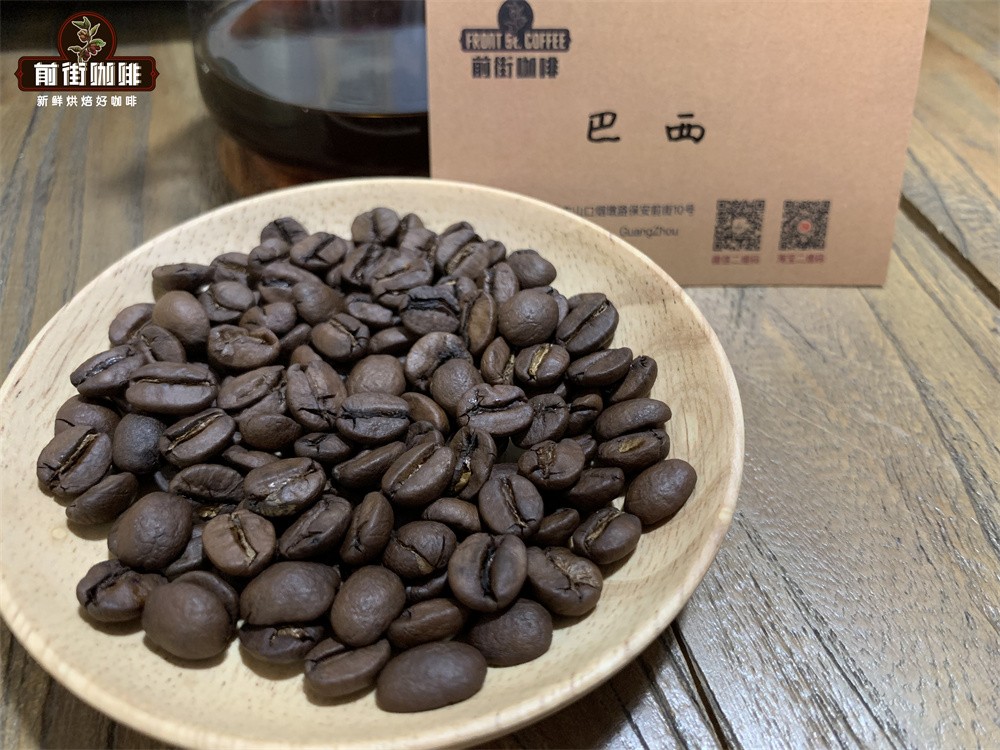
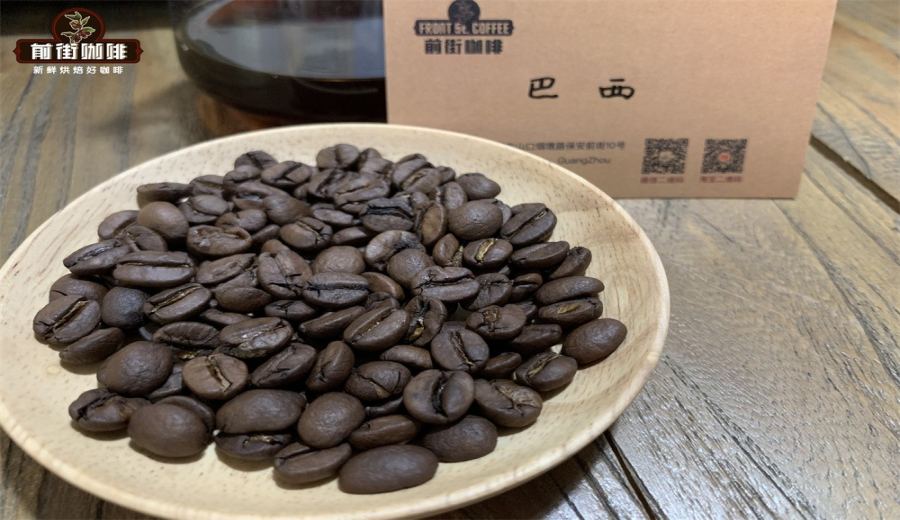
Brazilian coffee beans are mostly sold in blended form, though single-origin beans are available, albeit in smaller proportions. Common everyday-grade Brazilian coffee, or slightly higher-tier Brazilian Queen single-origin coffee, both fall under the category of single-origin roasts. These beans typically feature plump particles, intense aroma, moderate bitterness, and soft acidity, delivering an overall smooth and mellow profile with a clean, refreshing aftertaste. Though low in acidity, they exhibit clear layers. With their understated acidity and well-balanced sweetness and bitterness, these beans feel silky on the palate with a hint of delicate grassy notes—making them ideal for those seeking consistent flavor. For this reason, Brazilian coffee beans are often used as the base in blends and are considered an indispensable component by many professional baristas when crafting espresso.
Brazil’s coffee-growing areas are primarily concentrated in the central-southern part of the country, spanning approximately seven states and encompassing more than fourteen regions with distinct microclimates, such as Sul de Minas, Cerrado, Mogiana, and Chapada de Minas. Among these, Sul de Minas and Cerrado are regarded as key birthplaces of high-quality Brazilian coffee, playing a pivotal role in elevating the overall quality of Brazilian beans. Located at altitudes above 1100 meters, Sul de Minas features diverse terrain, significant day-night temperature variations, and distinct wet and dry seasons—making it an ideal environment for cultivating Bourbon and Yellow Bourbon varieties. Due to its complex topography and varied microclimates, this region’s coffee often exhibits rich layers and unique regional characteristics.
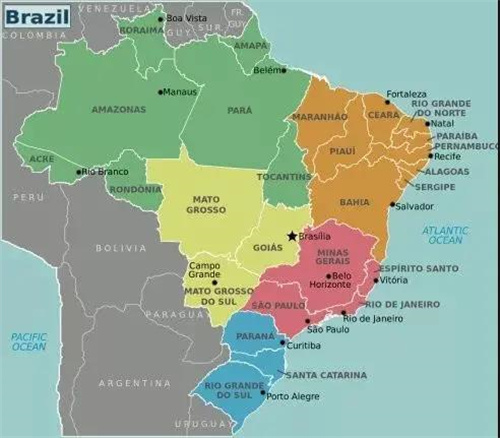
The Cerrado region lies on Brazil’s central plateau and has a savanna climate, with altitudes ranging from about 850 to 1200 meters. It enjoys a dry and stable climate, abundant sunshine, and clearly defined rainy and dry seasons, along with deep volcanic soils. It is home to numerous large coffee estates. Especially in planting areas above 1000 meters, the coffee produced generally boasts high clarity, a full body, and pronounced sweetness, with almost no earthy or off-flavors. The flavors are clear and stable. Mogiana, adjacent to Sul de Minas, features hilly terrain and diverse growing environments. It combines traditional and modern farming methods, with some areas still meticulously managed by small family farms. The beans produced here often have rich details and excellent quality.
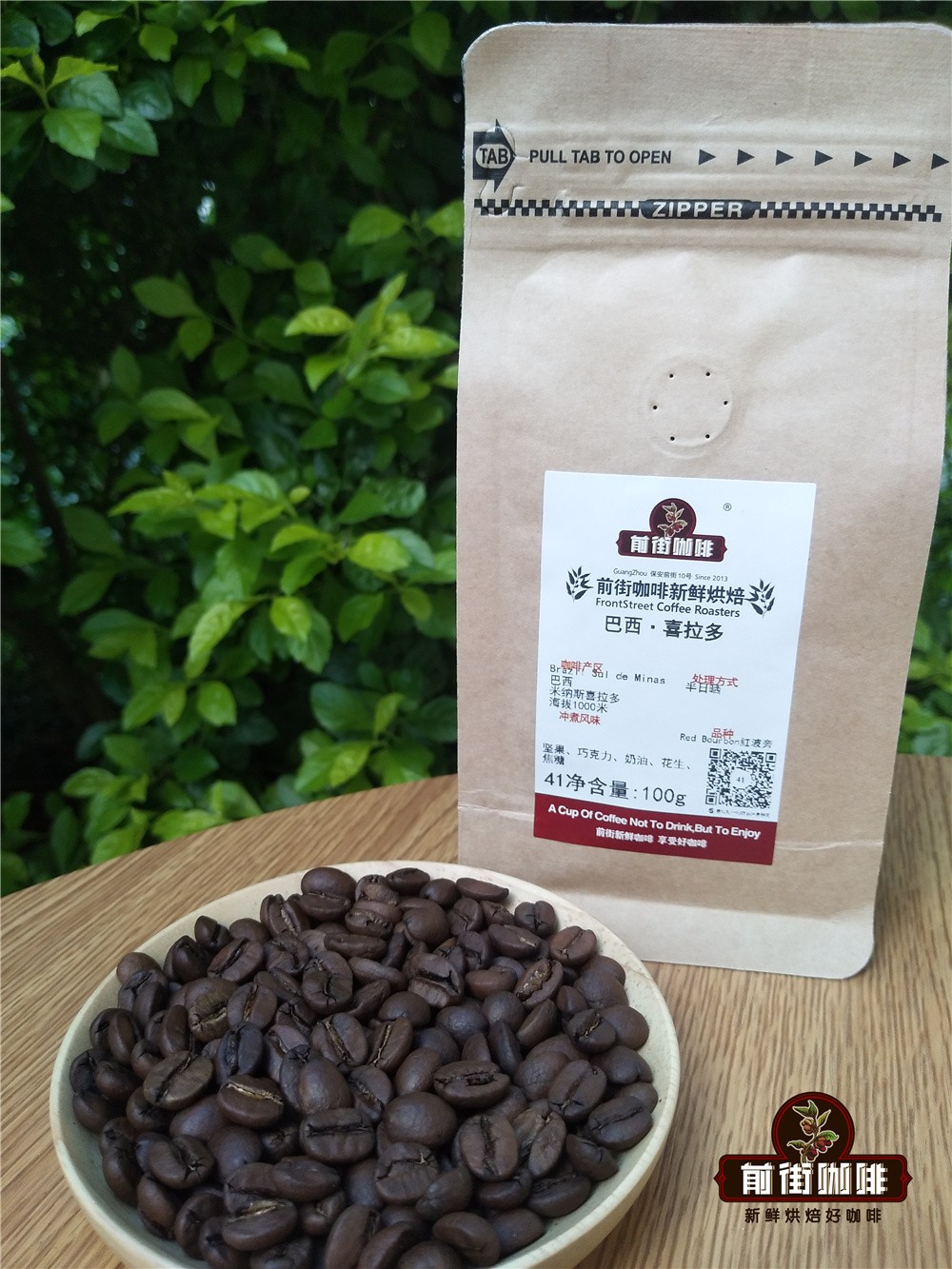
In terms of varieties, Brazil mainly cultivates Bourbon, Mundo Novo, and Catuai, among which the Bourbon group of varieties is the most well-known. Red Bourbon is a natural mutation of Typica, celebrated for its red fruit and outstanding aroma. It features brighter acidity and often exhibits wine-like layers, making it one of the most widely planted varieties in Brazilian coffee regions. Yellow Bourbon, another mutation of Bourbon, ripens into an orange-yellow fruit. Its flavor profile centers around nuts and chocolate, with soft and clean acidity, delivering an overall refreshing and balanced taste—especially appealing to those who prefer low-acidity coffee. Yellow Bourbon is mainly found in high-altitude areas such as São Paulo state and is a must-try for single-origin coffee enthusiasts.
Brazil’s coffee processing methods also have their unique features. Before the 1990s, the region primarily used the traditional natural (sun-dried) method, but it was susceptible to weather impacts, often resulting in earthy or moldy notes in the beans. To address this, Brazil developed the pulped natural process in 1990. This method involves removing the skin and pulp but retaining the mucilage layer, allowing for controlled fermentation before sun drying. This approach not only shortens processing time but also reduces earthy flavors while enhancing sweetness and fruity notes—making it especially suitable for producing high-quality single-origin coffee. It’s worth noting that different regions choose varying processing methods based on climatic conditions. For instance, Cerrado, with its relatively dry climate, still predominantly uses the traditional natural process, though some premium farms also adopt pulped natural to elevate flavor profiles.
For pour over Brazilian coffee, it is recommended to use freshly roasted beans, ideally within 4 to 7 days post-roast when the flavors are at their peak. Opt for Brazilian beans roasted to a medium-light to medium level, paired with a medium-coarse grind, such as passing about 75% through a 20-mesh Chinese sieve, with water temperature controlled around 88°C. Using a KONO filter, for example, you can apply a 1:15 coffee-to-water ratio—using 15 grams of coffee grounds, start with a 30-second bloom using double the coffee weight (about 30 grams) of water. Then, pour in a slow circular motion until reaching 125 grams for the first pour, followed by continuous pouring up to 225 grams before stopping. Let the filter drip out completely before removing it, with a total extraction time of about 2 minutes. This parameter setup helps highlight the sweetness, nuttiness, and chocolatey finish of Brazilian coffee.
In summary, Brazilian coffee, with its stable and balanced flavor profile, stands as a cornerstone of the global coffee market. Whether you prefer pour over or espresso brewing, a deeper understanding of the characteristics of Brazil’s various regions, variety differences, and processing details can help you select and brew a more satisfying coffee experience with precision.
The above content is compiled by CoffeeHunters, a coffee news website.


