







Introduction:SOE (Single Origin Espresso) has become a hot topic in the specialty coffee community in recent years. Many people mistakenly assume it is the same as single-origin beans, but in reality, there are clear differences between the two in terms of roasting, extraction, and flavor profile. This article delves into the core definition of SOE, compares it with regular espresso blends and single-origin beans, and explores key factors such as roasting choices, grinder compatibility, and shot stability from a practical perspective — helping you gain a more comprehensive understanding of the characteristics and challenges of this type of coffee.
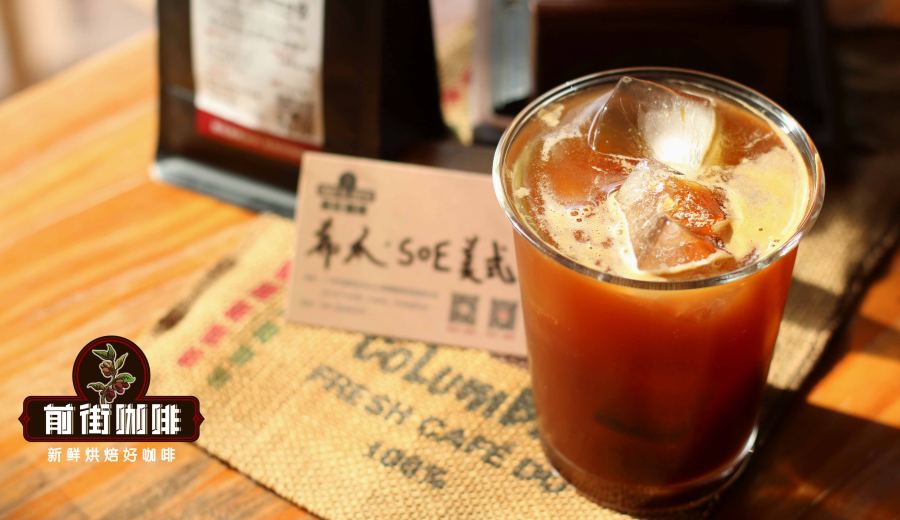
Many coffee enthusiasts often wonder: is SOE the same as single-origin beans? How does it differ from conventional espresso blends? SOE is actually short for "Single Origin Espresso," which refers to espresso made using beans from a specific origin. Originally, the term simply meant "single origin," but through marketing and consumer perception, it has gradually come to represent a product image that is more premium and distinctive in flavor.
In the specialty coffee context, "single origin" typically refers to beans sourced from a particular country, region, or even a single farm, emphasizing how terroir influences flavor. SOE, on the other hand, is a single-origin bean specifically designed for espresso extraction, aiming to showcase more recognizable aroma and taste layers through the unique characteristics of its origin. However, not all single-origin beans are suitable for SOE — this depends on multiple factors including roast level, grinder setup, and extraction technique.
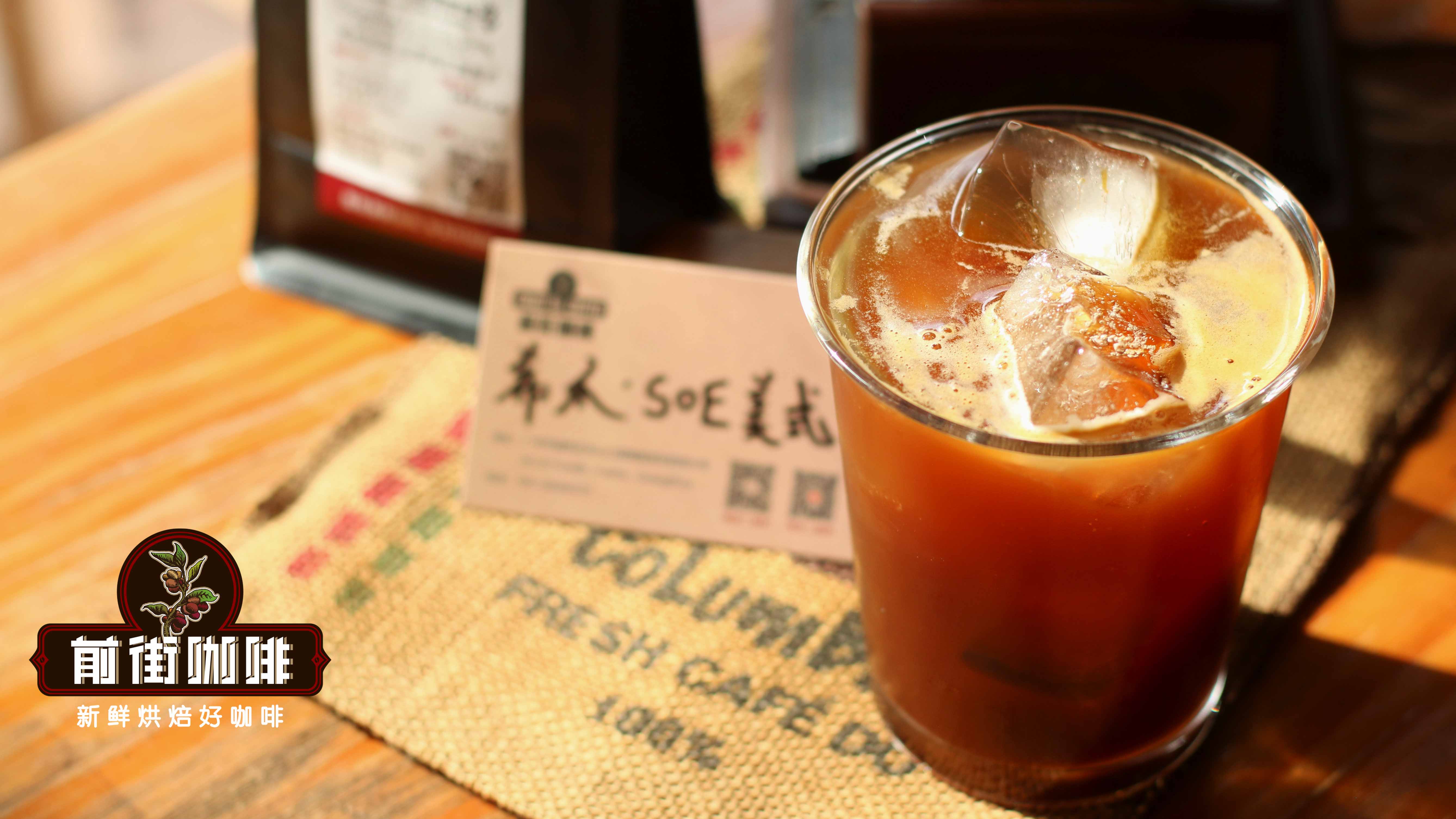
From a practical standpoint, many coffee shops may have a wide selection of single-origin beans but do not necessarily offer an SOE option, often due to considerations of positioning and operational complexity. First, applying single-origin beans directly to the espresso process doesn’t always yield the best flavor. For example, a medium-to-light roasted single-origin bean suitable for pour over might, under high-pressure extraction, turn out overly bright or thin due to underdevelopment. Conversely, roasting the bean too dark just for espresso can mask its inherent regional characteristics, defeating the purpose of choosing a single origin.
Additionally, each grinder has its design limitations, especially the high-throughput, multi-purpose grinders commonly used in shops, which are built for volume and consistent grind adjustment. Introducing an SOE bean often means adding a dedicated grinder or frequently adjusting an existing one — not only taking up space but also increasing operational burden and time costs. Some shops try using high-end flat burr grinders like the EK-43s, but real-world testing shows that even when set to the finest grind setting, achieving the uniformity and fine particle control needed for espresso extraction remains difficult, often leading to channeling or uneven extraction.
Extraction stability is another major challenge for SOE. For daily operations, maintaining consistent espresso quality is crucial, which involves equipment calibration, grind size adjustments, and extraction parameter settings at the start of each day. When serving multiple types of beans, each with different flavor profiles and roast levels, the required extraction time, pressure, and water temperature may vary. Even slight adjustments can easily affect the final taste. For instance, an SOE that performs best at 25–30 seconds extraction might peak at 28 seconds, but another bean’s optimal window could narrow to 27–29 seconds — these subtle differences pose a significant test of the barista’s experience and judgment.
So, what qualities should a high-quality SOE possess? First, in terms of bean selection, priority should be given to origins with distinct regional characteristics and well-developed flavors — for example, beans from certain high-altitude farms in Central America or Africa. When roasted appropriately, these beans can express unique flavors such as citrus, berries, floral notes, or caramel. Second, the roast level needs to be optimized for espresso extraction: too light may lead to under-extraction, while too dark can obscure nuances. Typically, a medium-dark to medium roast is recommended to balance aroma and body.
Regarding extraction parameters, it is advisable to use a 1:2 brew ratio as a baseline, with a shot time controlled between 25 to 30 seconds, and adjust grind fineness and pressure based on actual flavor feedback. It’s worth noting that a good SOE isn’t just about clarity of flavor, but also consistency in performance. Generally speaking, a coffee with high extraction stability can maintain a similar taste profile across multiple shots, allowing customers to enjoy a consistent drinking experience every time. If flavor varies too much, even a single outstanding shot may not qualify the SOE as a successful product.
In summary, SOE is not simply about using single-origin beans for espresso — it is a comprehensive challenge encompassing bean selection, roast design, and extraction control. For consumers, understanding these factors helps appreciate the unique traits of different regions and processing methods more precisely. For coffee professionals, balancing flavor expression with operational feasibility is essential to truly unlock the potential of SOE, rather than treating it as just a marketing gimmick.
The above content is compiled by CoffeeHunters, a coffee news website.


