







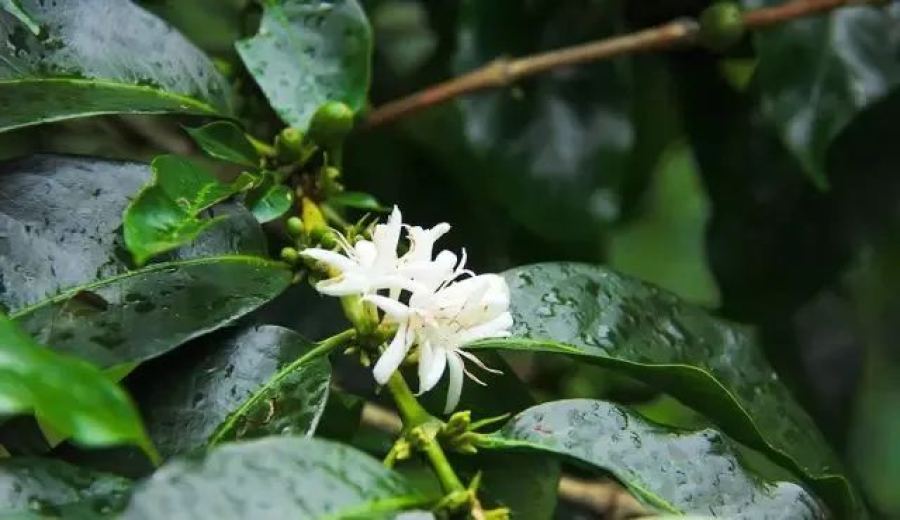
Introduction:Geisha (Geisha) coffee beans have risen to the ranks of the world’s top specialty coffees thanks to their unique floral and fruity aromas and bright, clean flavors. This article delves into its journey from its Ethiopian origins to its rise in Panama, detailing the flavor differences across various regions and processing methods, and providing practical parameters for cold brew and pour over brewing to help coffee enthusiasts fully understand this legendary variety.
Geisha coffee is hailed as a shining star in the specialty coffee world, widely praised for its rich floral notes, bright fruit tones, and silky smooth mouthfeel. This ancient variety, originating from Ethiopia, remained largely unnoticed for decades until it shone brightly at Panama’s Hacienda Esmeralda, finally capturing international attention. To understand Geisha is not just to taste a cup of coffee, but to explore a legendary coffee story that spans continents.
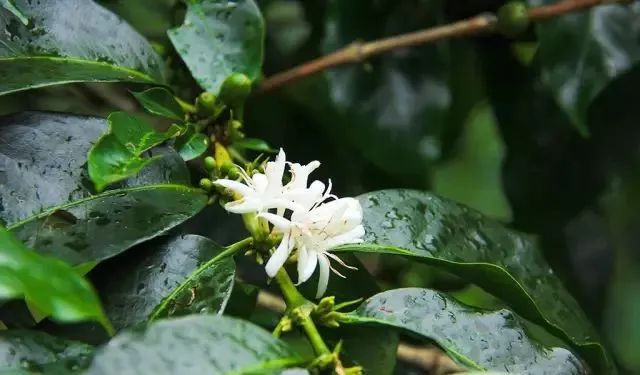
As an extremely rare Arabica variety, Geisha stands out for its exceptional aromatic performance. Its flavor profile often features clear citrus, peach, mango, and other tropical fruit notes, accompanied by subtle bergamot undertones and a sweet, well-layered body. In cupping, Geisha demonstrates good body, elegant rose-like floral notes, and an unforgettable aftertaste—qualities that firmly establish it at the pinnacle of high-end specialty coffee.
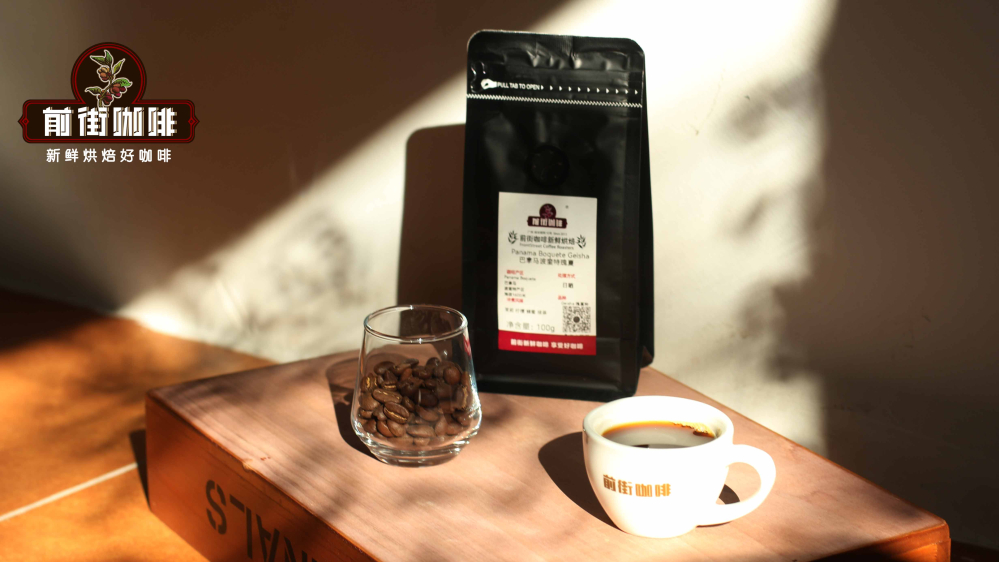
In the market, there is a wide selection of Geisha coffees suitable for coffee lovers at different levels. Beginners may choose Geisha from the Boquete region, which features aromas of jasmine, bergamot, green mandarin, and honey, offering a refreshing and pleasant experience; more advanced drinkers might try the Emerald Red and Green Labels, which represent the classic profile of high-altitude Panamanian Geisha and are the top choices for experiencing the essence of Geisha. For those seeking a cost-effective everyday option, the Flower Dance blend is also a great choice, combining Geisha with other varieties and suitable for various brewing methods, including pour over, cold brew, and French press.
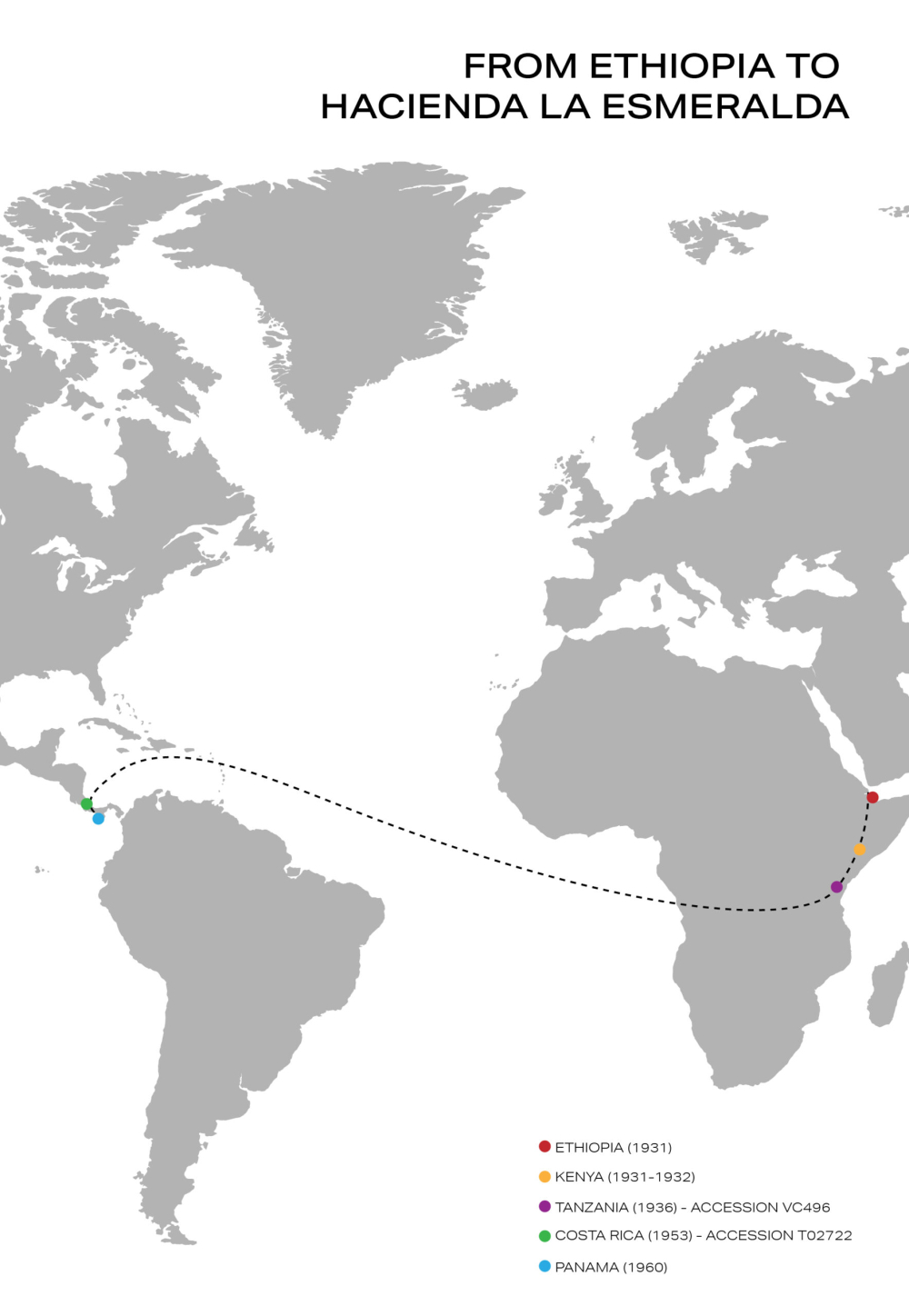
The history of Geisha dates back to 1931, when it was first discovered in the Gesha forest in southern Ethiopia and later sent to a coffee research institution in Kenya. The variety was subsequently introduced to Uganda, Tanzania, and Costa Rica, but remained largely overlooked for a long time. It wasn’t until the 1970s that the Hacienda La Esmeralda in Panama acquired seeds from CATIE in Costa Rica that Geisha took root in Panama. Due to its limited production and the fact that most of it is traded through auctions, Geisha has become even more precious.
Geisha truly came into its own between 2005 and 2007, winning consecutive championships at Panama’s Best of Panama cupping competition, defeating traditional dominant varieties such as Bourbon and Caturra. In 2007, it even set a record at the International Competition hosted by the Specialty Coffee Association of America (SCAA) with a bidding price of $130 per pound, reaching the pinnacle of competition coffee prices at the time. Since then, the Best of Panama competition has even grouped Geisha separately from other varieties to prevent it from overshadowing other excellent types.
Geisha belongs to the Typica family, and its genetic potential was not fully realized until more than 70 years after leaving its place of origin, underscoring Ethiopia’s status as a genetic treasure trove of Arabica coffee. The rise of this variety also reshuffled the specialty coffee market, which had previously been dominated by Jamaican Blue Mountain and Hawaiian Kona, showcasing the infinite possibilities of Ethiopian varieties.
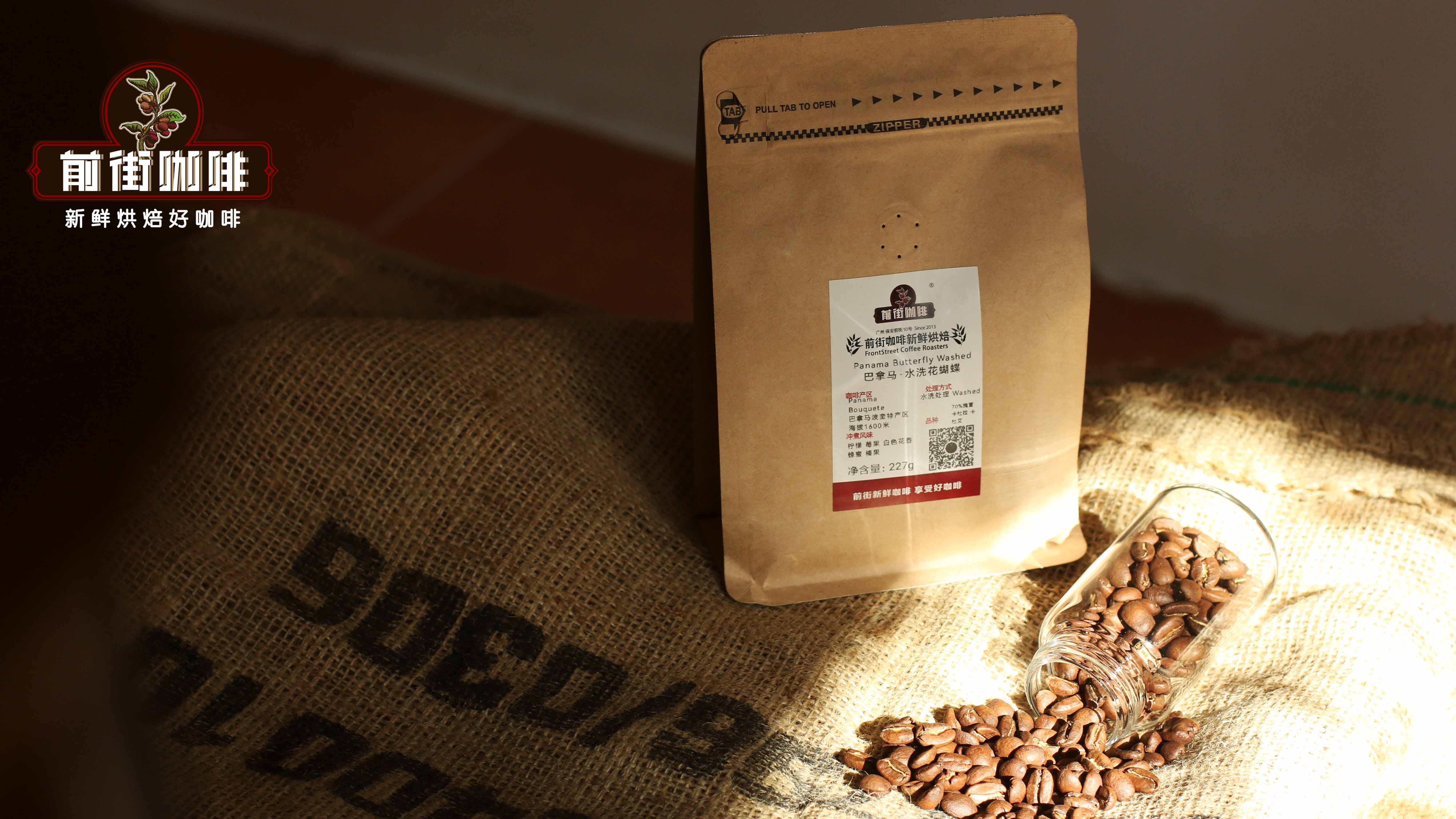
The high-altitude regions of Panama, especially elevations between 1,500 and 1,650 meters, provide ideal growing conditions for Geisha. With large diurnal temperature variations, misty environments, and mineral-rich volcanic soils, these factors collectively shape Geisha’s unique flavor profile. The Boquete Geisha green beans used here feature a beautiful bluish-green appearance, with fresh grass, peach, and berry aromas, and even rare oolong tea and creamy sweet notes—all of which are particularly important during roasting and brewing.
In terms of roasting, it is recommended to roast Boquete Geisha to just before the start of the second crack. This roast level can fully highlight its floral and fruity aromas and sweetness; roasting too light may bring out off-flavors, while roasting too dark may mask its delicate acidity and floral notes. With proper roasting, this coffee presents a bouquet-like fresh aroma and a rich sweetness of tropical fruits, leaving a lasting impression.
In terms of dry fragrance, Geisha exhibits enchanting notes of rose, jasmine, honey pomelo, and citrus, with hints of nuttiness and subtle tea aroma when lightly roasted; wet aroma brings even richer floral scents and caramelized sweetness. As the temperature drops, the fruity and floral notes become even more pronounced, with a lingering lemon-toned fruitiness in the aftertaste that remains elegant and persistent. On the palate, the texture is delicate and smooth, with bright and layered acidity, and sweetness and aroma lingering in the mouth for a long time.
For those looking to enjoy a cool Geisha in the summer, cold brew is an excellent choice. It is recommended to use a Chinese No. 20 standard sieve to grind the coffee to a fineness of 75–80%, roughly equivalent to the coarseness of fine sugar, or set an EK43s grinder to 9.5–10 or a C40 hand grinder to around 22–26. Mix the coffee grounds with room-temperature water at a 1:10 coffee-to-water ratio, let it sit in the refrigerator for 8 to 12 hours, and then filter. If you plan to add fresh milk, you can slightly increase the coffee-to-water ratio to 1:10–1:11 to ensure the final flavor isn’t diluted.
It is recommended to consume the finished cold brew within 5 days of preparation to maintain optimal flavor and hygiene. Whether it’s cold brew or other low-temperature extraction methods, details such as grind size, water quality, filtration materials, and storage conditions can all affect the final taste. It is advisable to gradually adjust according to personal taste preferences to find the brewing method that suits you best.
The above content is compiled by CoffeeHunters, a coffee news website.


